




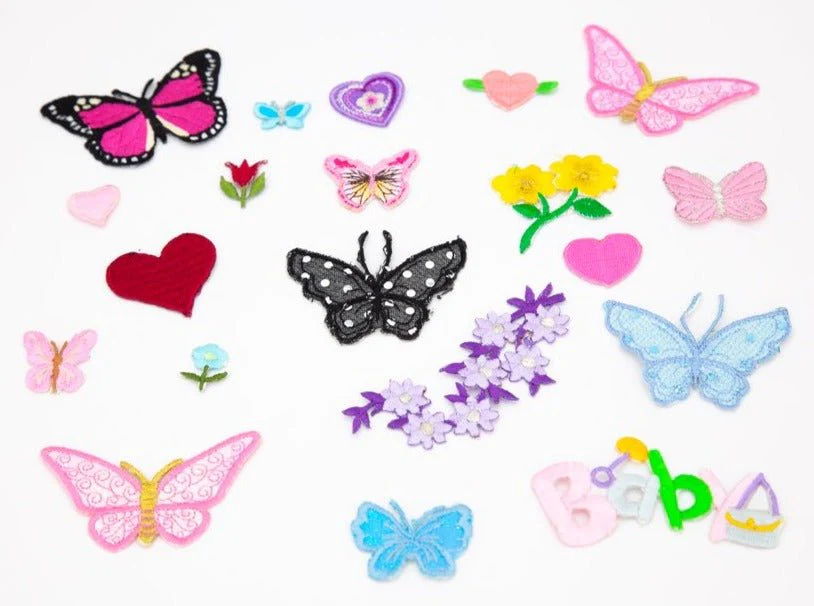
You’ve watched creative people design beautiful handmade items and thought “I could never do that.” Wrong. You absolutely can. Creativity isn’t some mystical talent reserved for naturally gifted artisans. It’s a skill anyone can develop through practice and proper resources. The difference between someone who creates beautiful crafts and someone who thinks they can’t is simply practice and access to proper tools and guidance. Quality crafting resources remove barriers preventing most people from exploring their creative side. You don’t need innate talent. You need encouragement, supplies, and clear instruction.
DIY crafting offers so much beyond just making pretty things. It’s genuinely therapeutic and mentally nourishing. Engaging your hands and creative mind simultaneously provides stress relief that scrolling social media never achieves. It builds genuine confidence as you watch something develop from nothing. It’s meditative and calming. Your brain enters a flow state where worries fade and presence deepens. These benefits alone make crafting worth exploring even if aesthetics weren’t involved.
Starting Your Creative Journey
Beginning a crafting journey feels overwhelming when you imagine needing thousands of specialty supplies. Actually, you need surprisingly little. Basic supplies cover nearly endless project possibilities. Paper, scissors, glue, markers. String, tape, paint. These foundational items enable countless creations. Rather than buying an overwhelming array of supplies before starting, begin with basics and expand as your interests develop.
Beginner-friendly supply selections provide exactly what you need without excess. You’re not investing hundreds of dollars before trying anything. You’re building gradually as you discover what interests you.
Understanding Your Crafting Style
Different people enjoy different crafting approaches. Some love precision, enjoying technical instruction and exact patterns. Others prefer loose, experimental creativity without rigid guidelines. Neither approach is better. They’re just different preferences. Understanding your style prevents frustration from forcing yourself into mismatched approaches.
Maybe you love visual crafts like painting or drawing. Perhaps you prefer tactile experiences like knitting or pottery. Maybe construction appeals to you, building functional items from raw materials. Diverse crafting options accommodate virtually every preference and skill level.
Overcoming the Perfectionism Trap
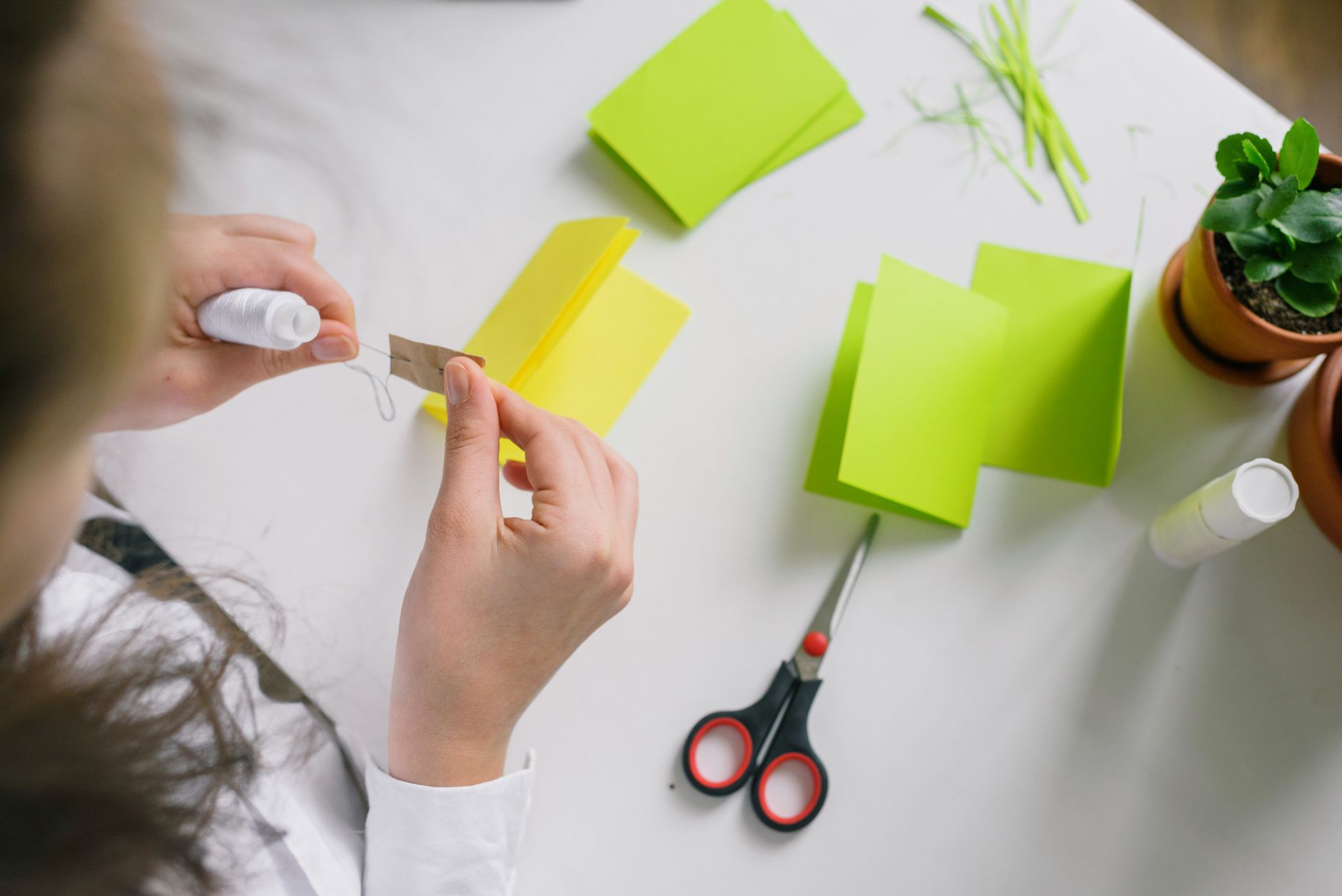
The biggest barrier preventing most people from crafting isn’t lack of ability. It’s perfectionism. You imagine finished results should look professionally made. This expectation guarantees discouragement because your early projects absolutely won’t match professional quality. That’s normal. Every expert was once a complete beginner learning fundamentals.
Reframe your goals entirely. Success isn’t creating gallery-worthy pieces. Success is the process itself, the learning, the engagement, the enjoyment. Your first project will be imperfect. Your hundredth project will be significantly better. That’s growth. That’s success. Embrace this progression.
Learning From Failure Gracefully
Every crafter encounters failures regularly. Paint drips where it shouldn’t. Glue doesn’t hold properly. Projects don’t turn out as imagined. These experiences aren’t reasons to quit. They’re learning opportunities. Experienced crafters understand that failures teach more than successes. You discover what doesn’t work, adjusting approaches for next attempts.
Embrace this learning orientation completely. You’re not expecting perfection. You’re expecting growth through practice. This mindset transforms failures from discouraging into educational and valuable.
Building Confidence Through Completion
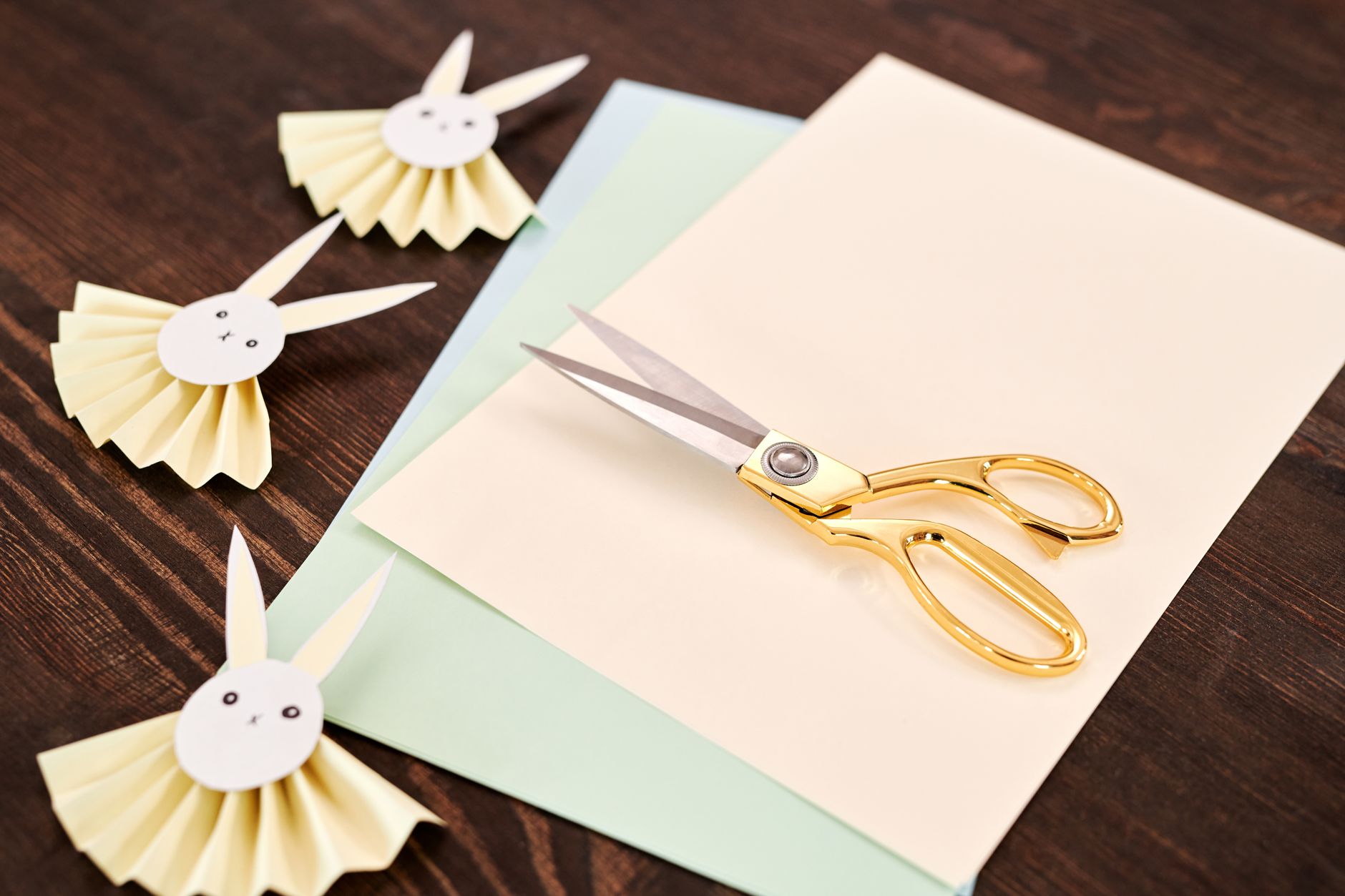
Completing projects matters profoundly for your creative development. Finishing a project, however imperfect, builds genuine confidence. You’ve created something from nothing. You’ve developed a skill. You’ve solved problems when something didn’t work as planned. These accomplishments accumulate, building authentic self-assurance.
Start with smaller projects ensuring completion and success. Finishing ten small projects builds more confidence than attempting one enormous project and abandoning it halfway. Success breeds motivation for larger challenges.
Joining Creative Communities
Isolation prevents many people from developing crafting skills effectively. Community changes everything dramatically. Seeing others’ creations inspires your own work. Sharing challenges helps solve problems collaboratively. Celebrating completions motivates continued practice. Community-oriented platforms connect crafters at all levels.
Community removes shame from early mistakes entirely. Everyone starts somewhere. Seeing others share their imperfect first projects normalises the learning process and builds confidence.
Making Mistakes Safe to Make
Fear of ruining expensive materials prevents many people from even trying crafting. This is precisely why starting with inexpensive supplies matters tremendously. Using cheap materials removes stakes psychologically. You can experiment freely because the financial loss is minimal.
As skills develop and confidence grows substantially, you’ll naturally graduate to higher-quality materials. But initially, keep materials affordable, keeping experimentation safe and pressure-free.
Celebrating Your Creative Growth
As you develop crafting skills, celebrate the journey. Keep early projects. Revisit them months later and notice improvement. This visible progress motivates continued creative practice. You’re building a creative identity. You’re becoming someone who makes things. That transformation happens gradually but becomes undeniable over time.
Your Creative Journey Awaits
Creativity isn’t reserved for talented few. It’s a human skill everyone possesses waiting to be developed. You’ve simply never cultivated it. Quality supplies and supportive resources enable that development. Start simple. Embrace imperfection. Focus on process rather than perfection. Build gradually. Watch yourself blossom into someone who creates beautiful things. You’re more creative than you know.

Luca Moretti is a global lifestyle writer with a passion for storytelling through travel, fashion, and urban exploration. Inspired by vibrant cities and timeless destinations, he creates content that reflects sophistication and curiosity. Luca’s work focuses on helping readers discover unique places, elevated experiences, and the art of living stylishly on the move.