




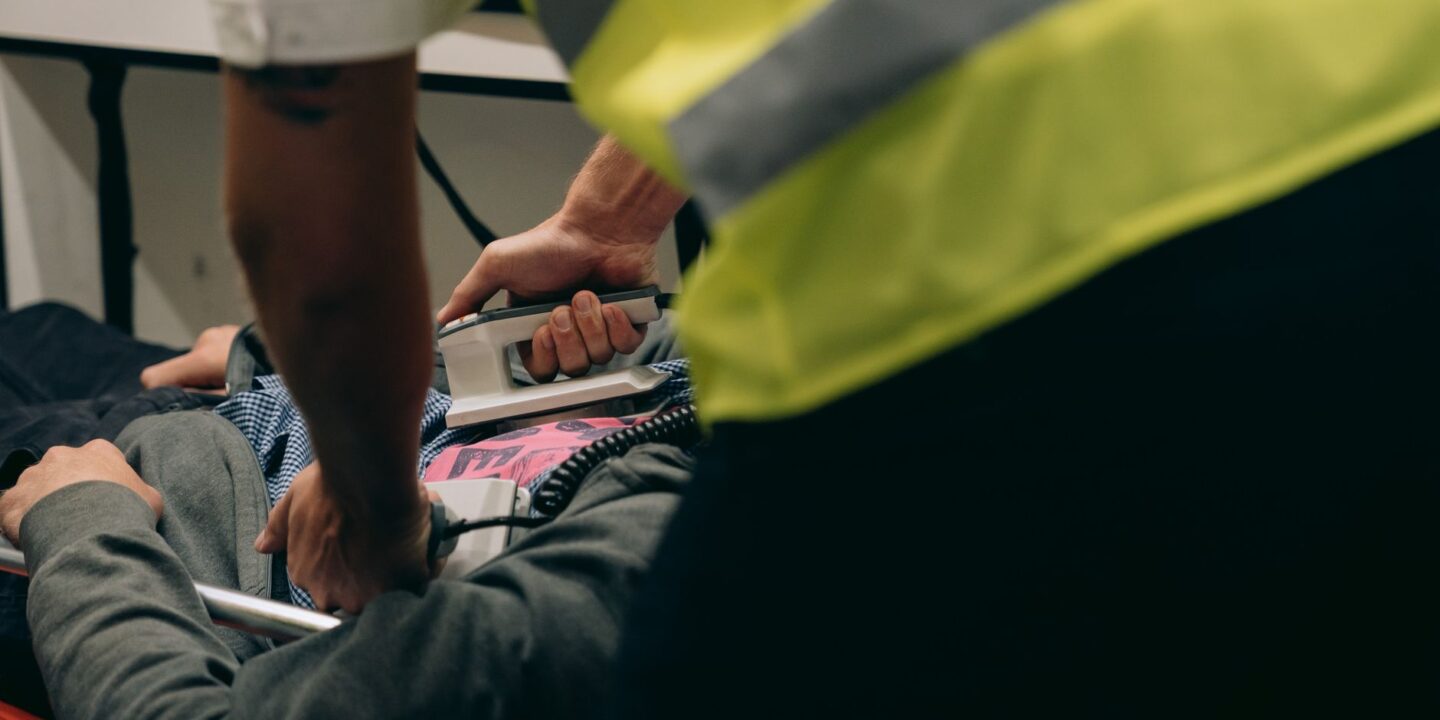
Humanitarian crises—conflicts, natural disasters, pandemics, and severe poverty—affect millions worldwide, creating urgent needs for coordinated relief and long-term support. Effective humanitarian organisations work at intersection of emergency response and sustainable development, providing immediate life-saving assistance while building foundations for community recovery and resilience. Understanding how these organisations function, fund operations, and measure impact helps supporters make informed decisions about where contributions create meaningful change. Transparency about operations, outcomes, and challenges builds trust necessary for sustained public engagement. Comprehensive humanitarian initiatives combine emergency response, development assistance, and community empowerment addressing root causes of vulnerability.
The Spectrum of Humanitarian Needs
Humanitarian crises operate across spectrum from acute emergencies to chronic deprivation. Sudden-onset disasters—earthquakes, hurricanes, floods—create immediate shelter, water, food, and medical needs. Conflicts displace populations, destroying infrastructure and creating protection challenges. Pandemics simultaneously threaten health and economic stability. Chronic poverty in developing regions creates persistent nutritional, health, and educational deficits. Complex emergencies combine multiple factors—conflict, displacement, disease—multiplying complexity and needs. Effective humanitarian response requires understanding these varying contexts and tailoring interventions appropriately. Organisations working across multiple emergency types develop expertise navigating distinct challenges each context presents.
Emergency Response: Saving Lives Immediately
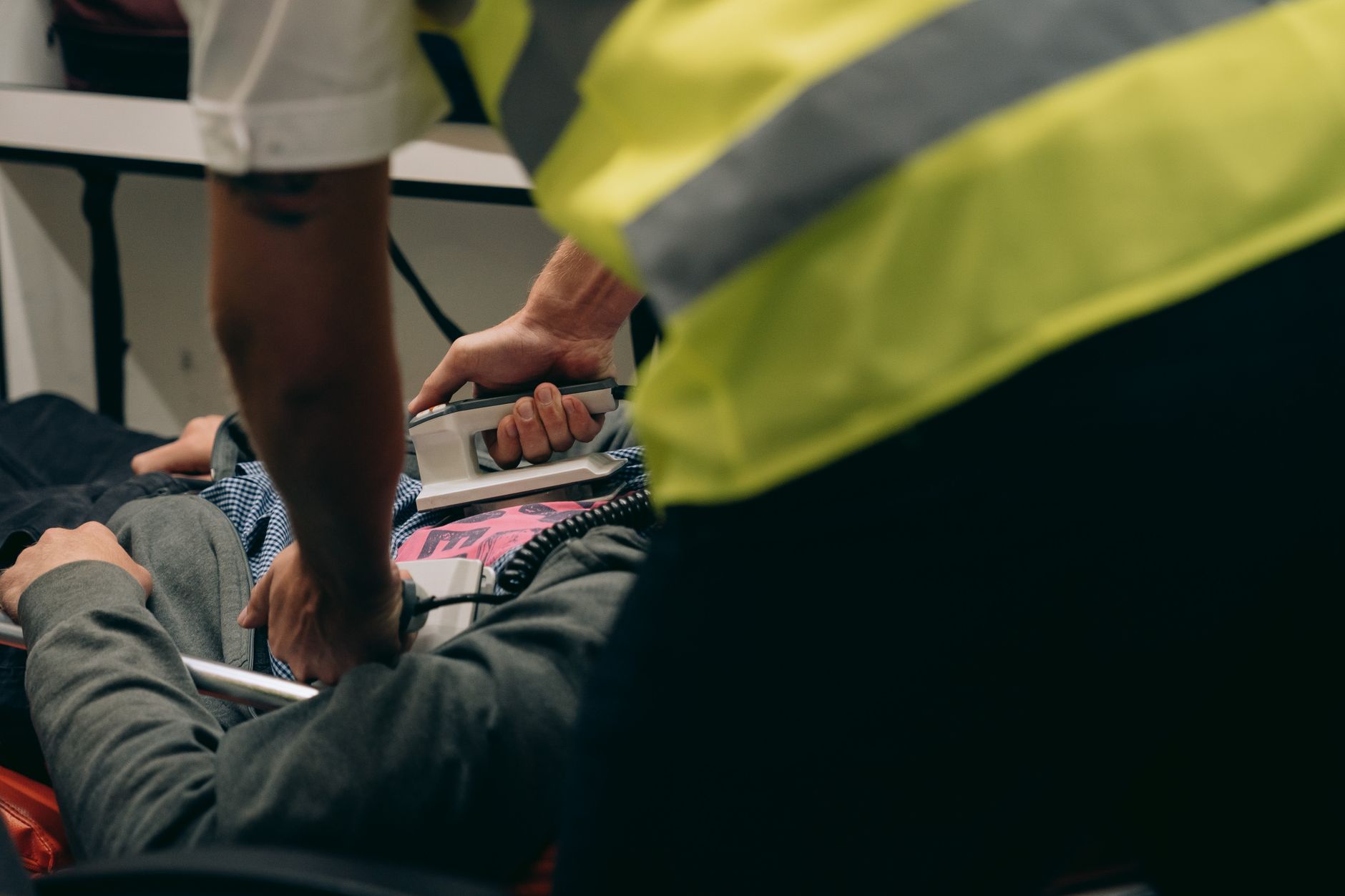
When disasters strike, immediate response saves lives. Pre-positioned supplies, trained response teams, and established coordination mechanisms enable rapid deployment. Water and sanitation interventions prevent disease outbreaks killing more than initial disasters. Emergency food assistance prevents malnutrition in populations facing sudden shortages. Temporary shelter protects vulnerable populations from elements. Medical care treats injuries and prevents disease spread. Search and rescue operations save trapped survivors. These initial responses, typically provided by humanitarian organisations with pre-existing presence and capacity, mean difference between survival and tragedy for affected populations. Emergency response capabilities enable rapid deployment when communities face acute crises.
Water, Sanitation, and Health Programming
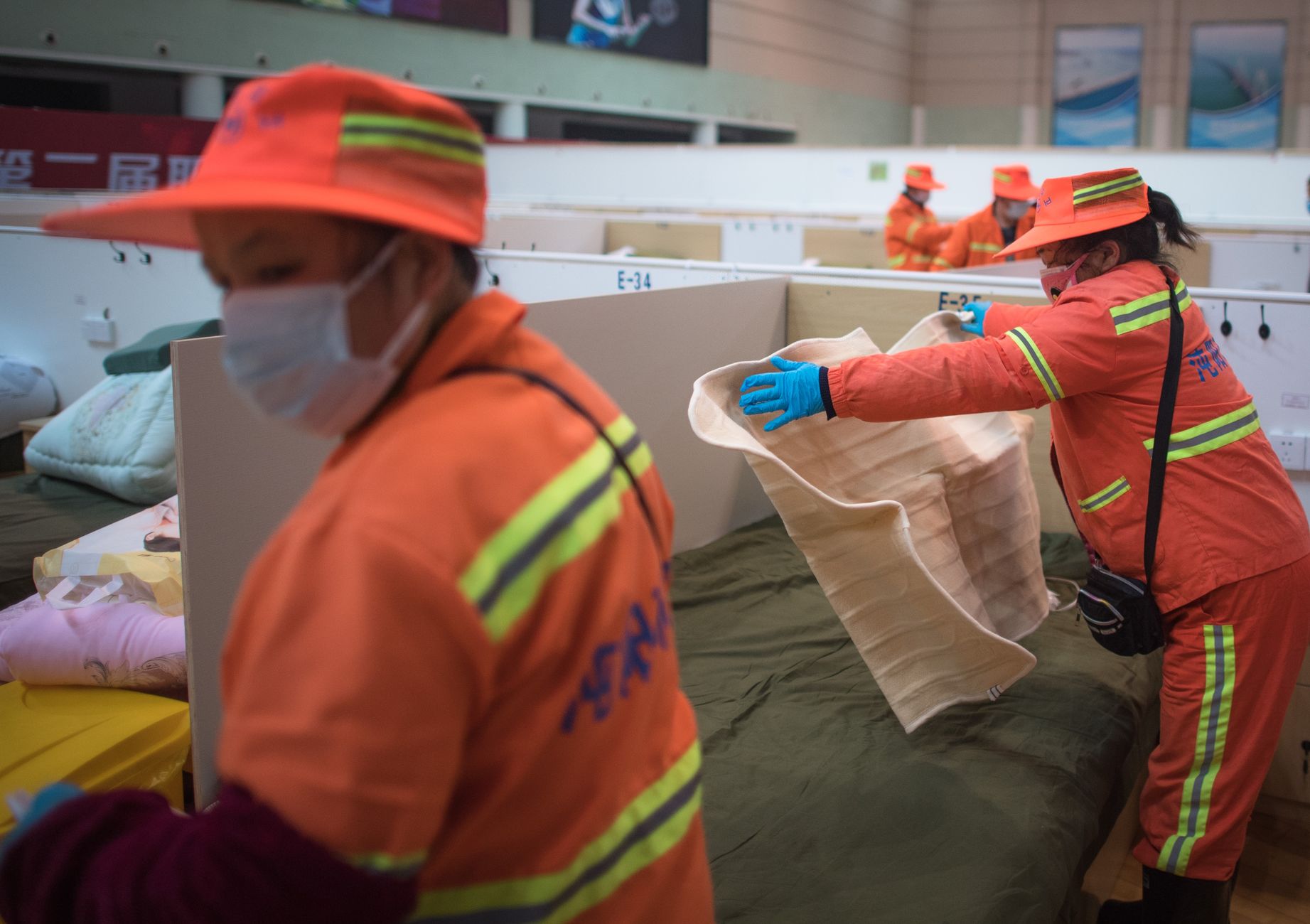
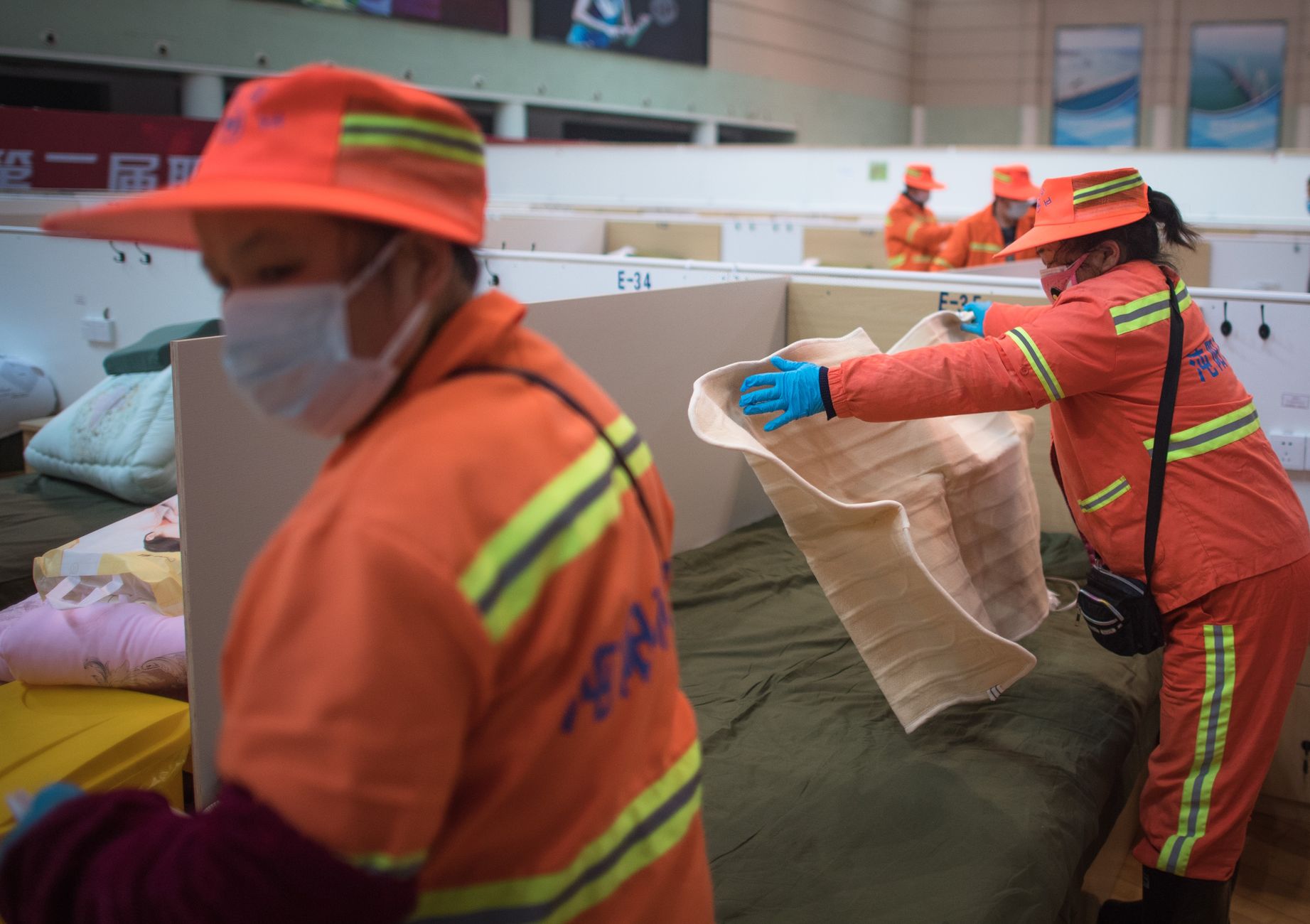
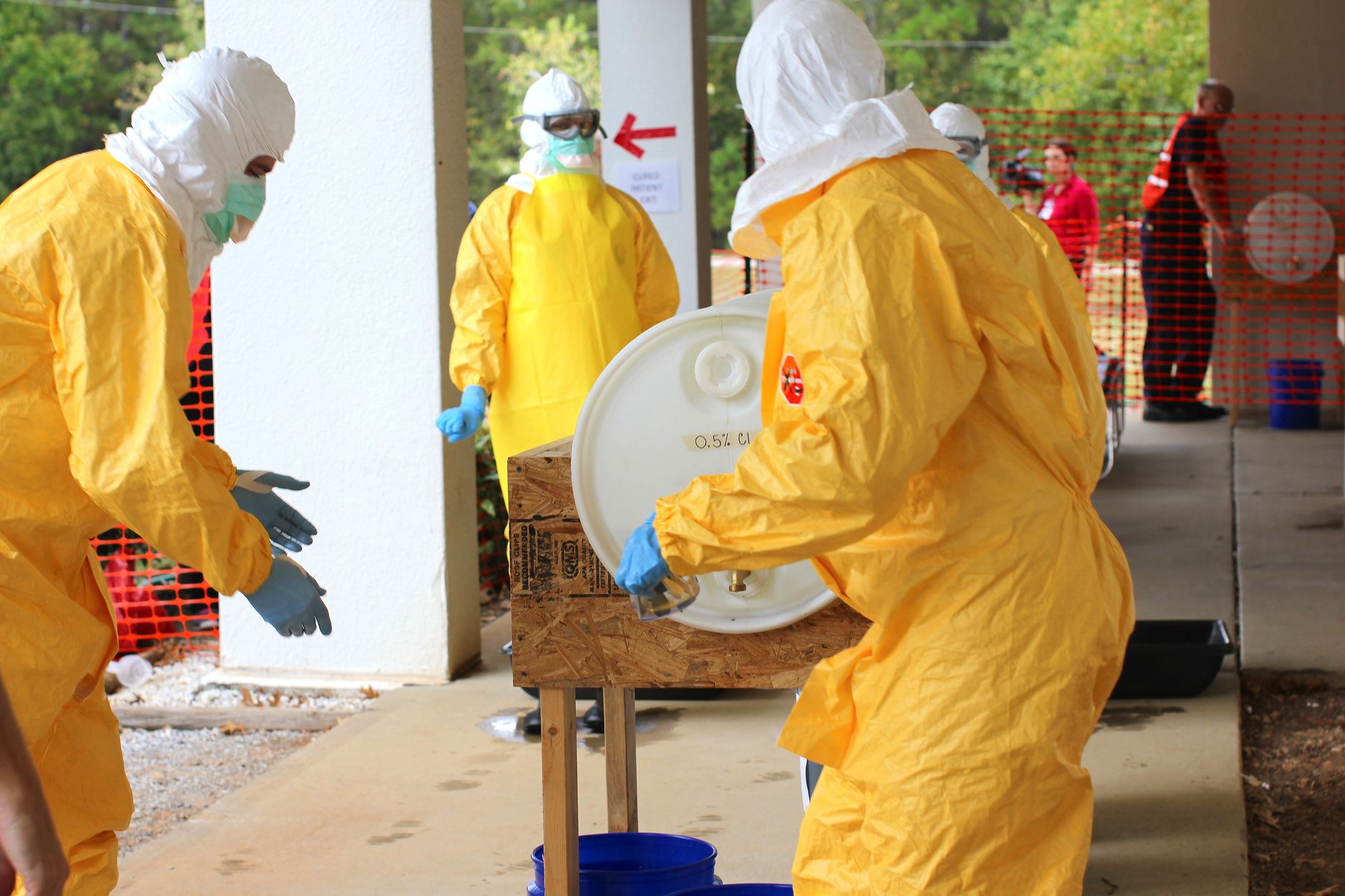
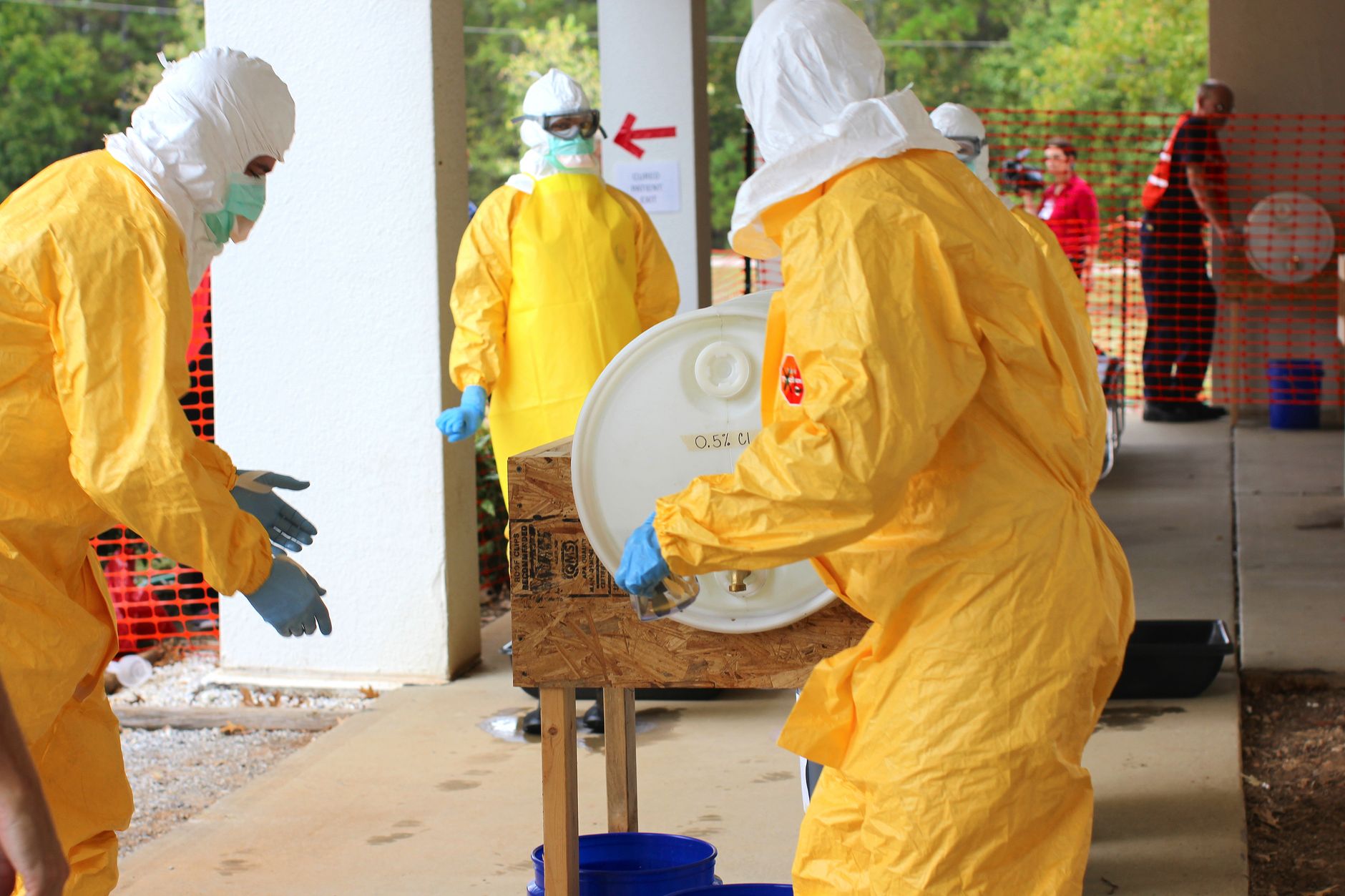
Access to clean water and adequate sanitation represents fundamental humanitarian need affecting health across lifespan. Lack of clean water sources forces populations into disease-transmission patterns, particularly devastating for children. Open defecation spreads pathogens contaminating water supplies. Poor sanitation enables rapid disease spread in crowded displacement camps. Humanitarian programmes drill boreholes, rehabilitate water systems, construct latrines, and provide hygiene supplies. Health education changes behaviours even when infrastructure improvements require time. Primary healthcare services address treatable conditions—malaria, diarrhoea, respiratory infections—preventing progression to severe illness. Vaccination programmes protect populations from preventable diseases. These foundational services address needs affecting entire communities.
Food Security and Nutritional Support
Food insecurity—whether sudden or chronic—threatens physical development, immune function, and cognitive capacity. Emergency food distribution prevents starvation during crises. Longer-term food assistance stabilises nutrition for vulnerable populations. Nutritional supplementation for pregnant women and young children prevents lasting developmental damage. Agricultural development programmes build productive capacity in food-insecure regions. Market support and livelihood assistance enable communities to purchase food sustainably rather than depending on assistance indefinitely. Climate-adaptation programmes help communities build resilience to droughts and other environmental shocks affecting food production. Comprehensive food security approaches combine immediate assistance with development addressing underlying causes of vulnerability.
Education in Crisis and Recovery
Education enables children to process trauma, maintain development during displacement, and build foundations for future opportunity. School-based programmes in displacement camps provide structure, normalcy, and learning during chaotic circumstances. Teacher training ensures quality instruction despite challenging conditions. Catch-up programmes help children who lost schooling due to displacement or crisis. Adult literacy and skills training build economic capacity for affected populations. Psychosocial support through schools helps children process trauma. Education builds protective factors against recruitment into armed groups. Recognising education as humanitarian priority rather than post-crisis luxury reflects its protective and developmental importance.
Protection and Advocacy
Crises create particular vulnerability to exploitation, abuse, and violence. Humanitarian organisations provide protection services—identification and support for at-risk populations, prevention of trafficking, response to abuse. Gender-based violence prevention and response programmes protect vulnerable populations. Child protection services identify separated children, prevent recruitment into armed groups, and support wellbeing. Advocacy communicates humanitarian needs to international community, mobilising political will and resources. Documentation of violations supports accountability processes. Community protection committees train local populations to recognise and respond to threats. Protection addresses often-invisible suffering accompanying visible material devastation.
Livelihoods and Economic Recovery
Humanitarian response extends beyond emergency assistance to support dignity and self-reliance. Livelihood programmes provide tools, training, and markets enabling affected populations to generate income. Micro-finance supports entrepreneurship among people lacking collateral. Agriculture and livestock programmes build productive capacity. Market systems strengthening improves economic opportunities for affected communities. Cash-based programming empowers people to meet needs according to local context and priority. These programmes recognise humanitarian assistance works best as bridge toward self-sufficiency rather than indefinite dependency.
Measuring Humanitarian Impact
Understanding whether interventions actually improve lives requires rigorous measurement. Humanitarian organisations track basic metrics—people reached, water points constructed, children vaccinated—ensuring resources reach intended beneficiaries. Outcome evaluation assesses whether interventions achieve intended impact—do children vaccinated actually avoid disease? Qualitative research captures beneficiary perspectives on assistance quality and relevance. Impact evaluation attributes changes to humanitarian interventions versus other factors. Cost-effectiveness analysis compares different approaches, ensuring resources achieve maximum benefit. Transparency about both successes and challenges builds credibility necessary for continued support.
Supporting Humanitarian Response
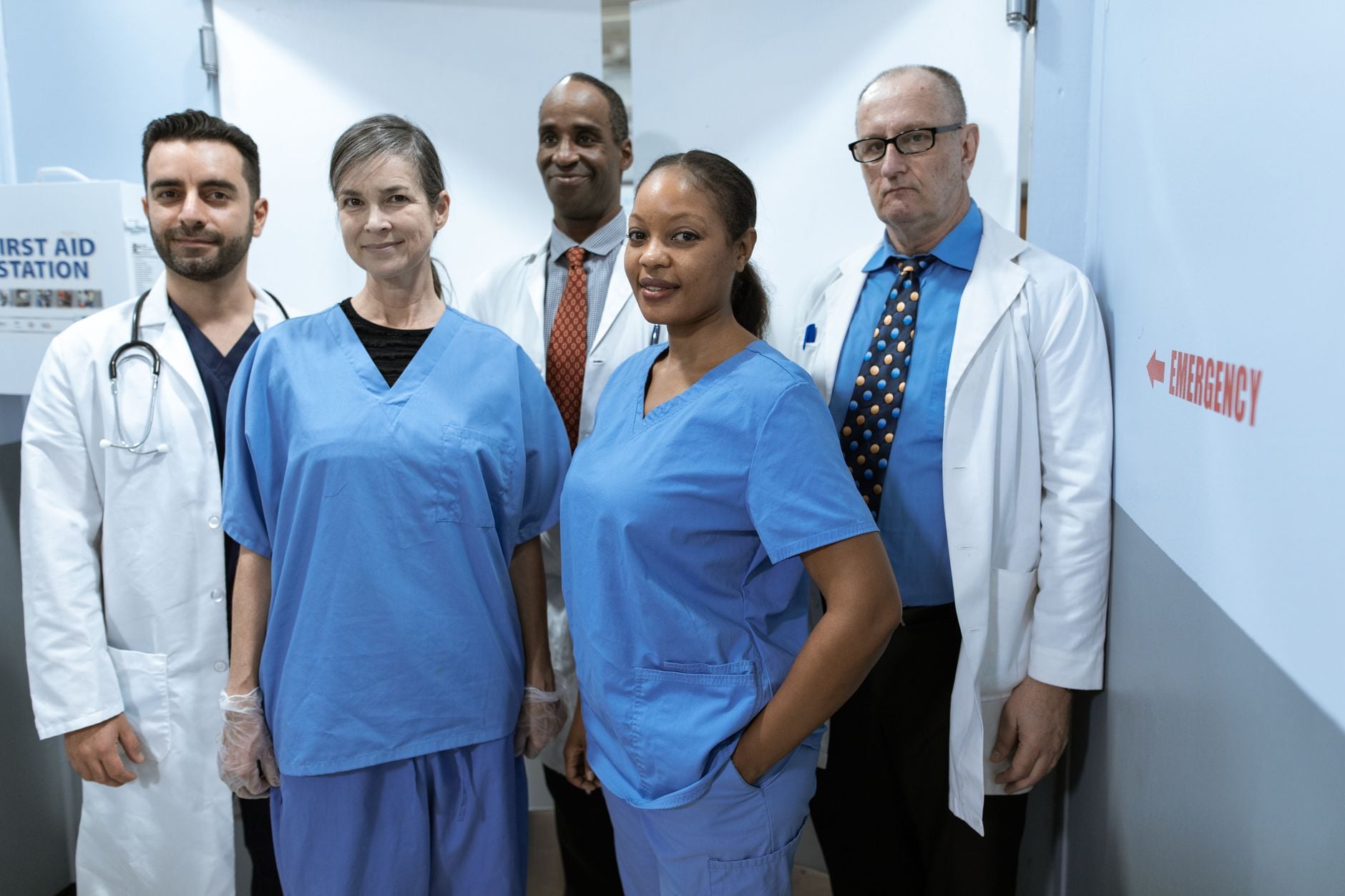
Effective humanitarian action requires sustained funding, political support, and volunteer engagement. Monetary donations directly fund assistance. Skilled volunteering—medical expertise, engineering, education—supplements paid staff. Advocacy creates political will for humanitarian action. Understanding humanitarian organisations’ work and challenges enables supporters to advocate effectively. Humanitarian initiatives create positive change when supported by informed, engaged communities committed to reducing suffering and building resilience across affected populations worldwide.

Aria Laurent is a travel and style enthusiast who captures the essence of glamorous journeys around the world. Her writing blends luxury experiences with authentic cultural moments, offering readers a refined perspective on modern travel. From boutique hotels to hidden gems, Aria shares curated insights for those who seek beauty, elegance, and adventure in every destination.