




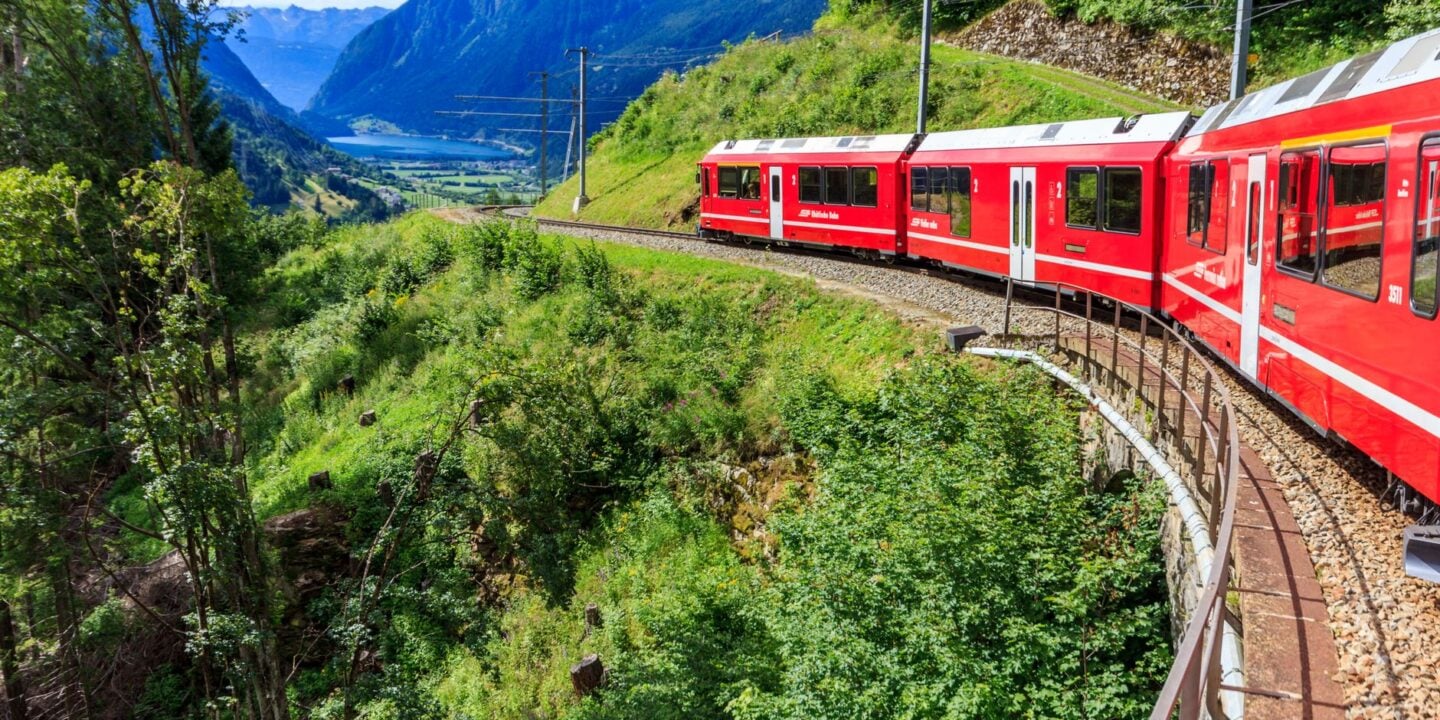
Train systems crisscross Europe, yet many visitors default to rental cars despite trains offering superior flexibility, comfort, and views. Navigating rail networks initially seems complicated—booking systems vary by country, regional passes intersect in confusing ways, and cultural norms around timing shift across borders. Understanding practical strategies transforms train travel from stressful to seamless, unlocking access to destinations difficult to reach by car. SBB exemplifies quality rail operations that make European exploration straightforward. Modern train travel combines technology advances with the fundamental human pleasure of observation during comfortable journeys.
Choose the Right Pass for Your Itinerary
Eurail passes target tourists and deliver unlimited travel across multiple countries but often cost more than point-to-point tickets if your journey follows a specific route. Regional passes focus on areas like Switzerland or Scandinavia, providing better value if you concentrate travel in one region. SBB Swiss Travel Passes include mountain trains and boat excursions, multiplying value beyond simple rail fares. Calculate expected journeys against pass costs before purchasing—sometimes separate tickets aggregate cheaper than month-long passes. Understanding your specific itinerary matters more than general pass coverage. Flexible passes sometimes prove cheaper than full passes if you only travel specific days rather than consecutively. Using online calculators comparing pass costs against point-to-point tickets prevents overpaying for coverage you won’t use.
Night Trains: Combining Transit with Accommodation
Overnight trains move you while you sleep, converting dead travel time into productive rest. Booking cabins with showers and beds compresses multi-day hotel costs while advancing your journey. SBB night trains connect Switzerland to Italy, France, and Austria, offering comfortable alternatives to highway driving through darkness. Comfort depends on cabin tier—splurging on single compartments delivers superior rest than budget shared bunks, making the premium worth considering. Modern night trains offer amenities rivaling budget hotels, making them economically competitive while eliminating travel fatigue associated with daytime driving. Night trains also solve the problem of finding accommodation in popular cities, allowing you to arrive refreshed in the morning rather than after hours of exhausting driving.
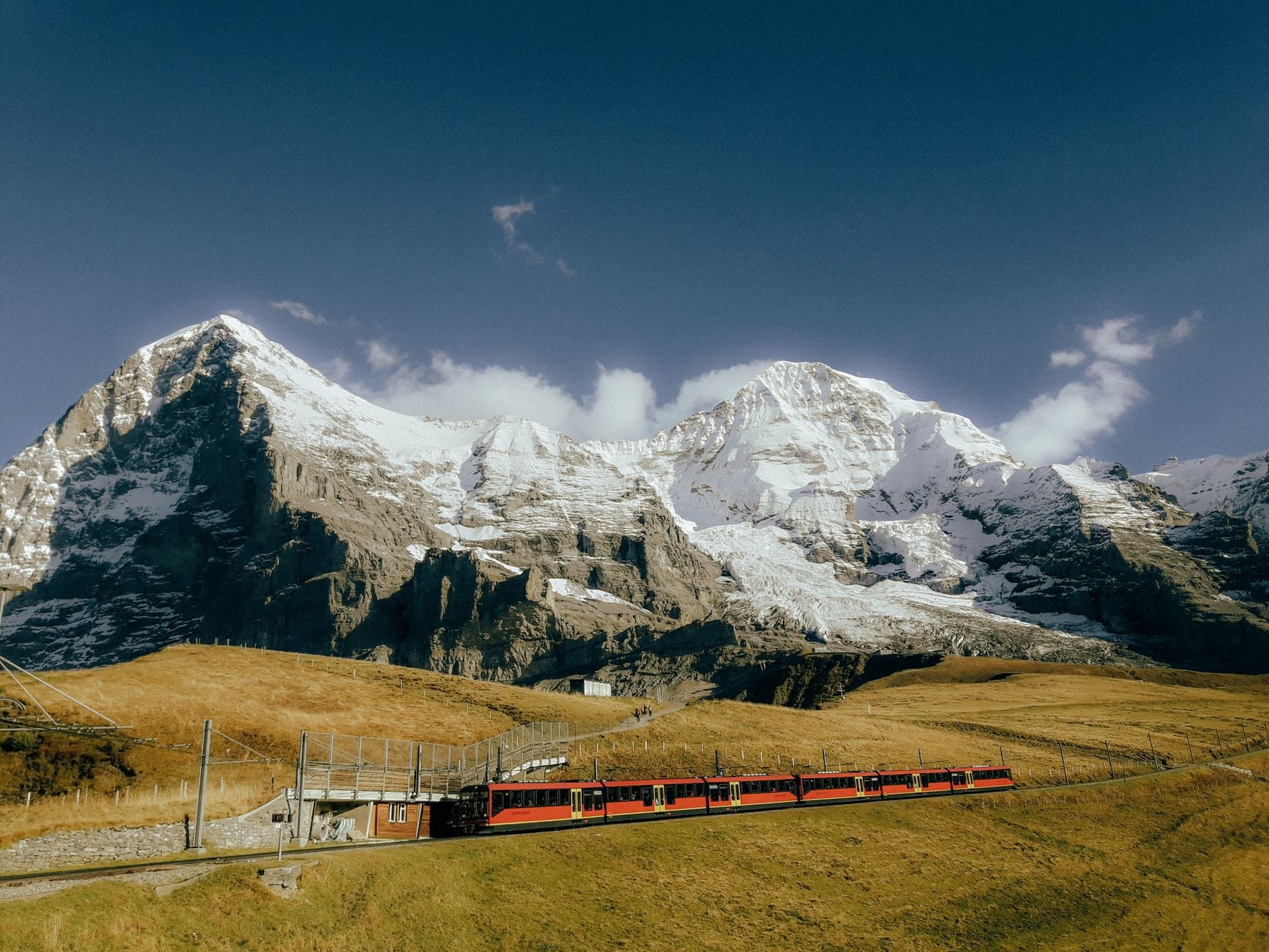
Booking Strategy and Advance Planning
High-speed trains departing during peak hours often fill quickly, so booking weeks in advance secures better pricing and seat selection. Early morning and evening off-peak trains offer cheaper fares even when covering identical distances. SBB booking systems let you compare direct trains against connections, revealing unexpected shortcuts where changing trains cuts hours from total journey time. Walking station to seat after arriving beats sitting in traffic jams, and you avoid the mental fatigue highway driving inflicts. Planning multi-hour layovers provides time for exploration instead of rushing between platforms. Understanding that many regional trains can be booked last-minute at lower prices—if you have flexible schedules—sometimes proves cheaper than advance booking.
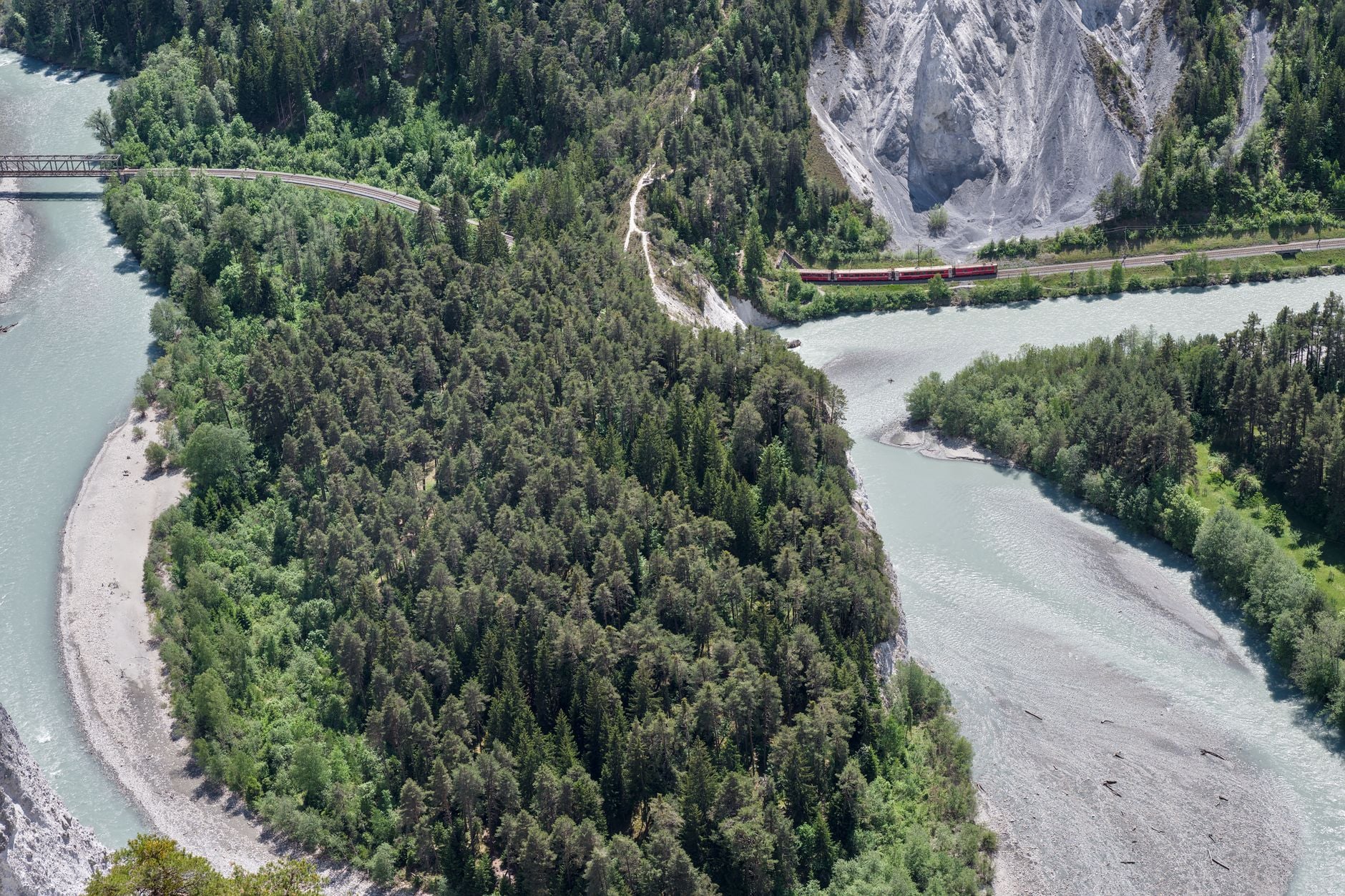
Cultural Norms and Station Etiquette
German and Swiss stations operate with precision—trains depart on exact schedules and expect punctual boarding. French rail culture tolerates minutes of flexibility, while Mediterranean countries embrace more relaxed timing. Knowing these cultural patterns prevents the stress of rushing toward platforms or missed connections. Station navigation differs dramatically between countries, so investigating layouts before arrival prevents confusion when seeking proper platforms. Many major European stations include English signage, but learning key directional words in local languages shows respect for host countries. Understanding that schedule adherence varies by region prevents assuming delays result from inefficiency rather than cultural norms. Respect for punctuality cultures develops naturally after experiencing how precise timing enables smooth operations.
Luggage Management and Practical Matters
Larger train stations maintain luggage storage facilities, letting you explore cities unencumbered before returning for your bag before evening departures. Packing efficiently prevents the shoulder strain hauling overweight bags through station corridors. SBB trains include luggage racks accommodating standard suitcases, but oversized items cause friction in crowded cars. Roll-on carry-only travel lets you move faster between connections and avoids waiting for checked bag retrieval. Lightweight luggage prevents fatigue during multi-day journeys when carrying bags between stations repeatedly. Understanding that station locations often require navigating stairs or escalators influences luggage strategy significantly.
Dining and Comfort on Extended Journeys
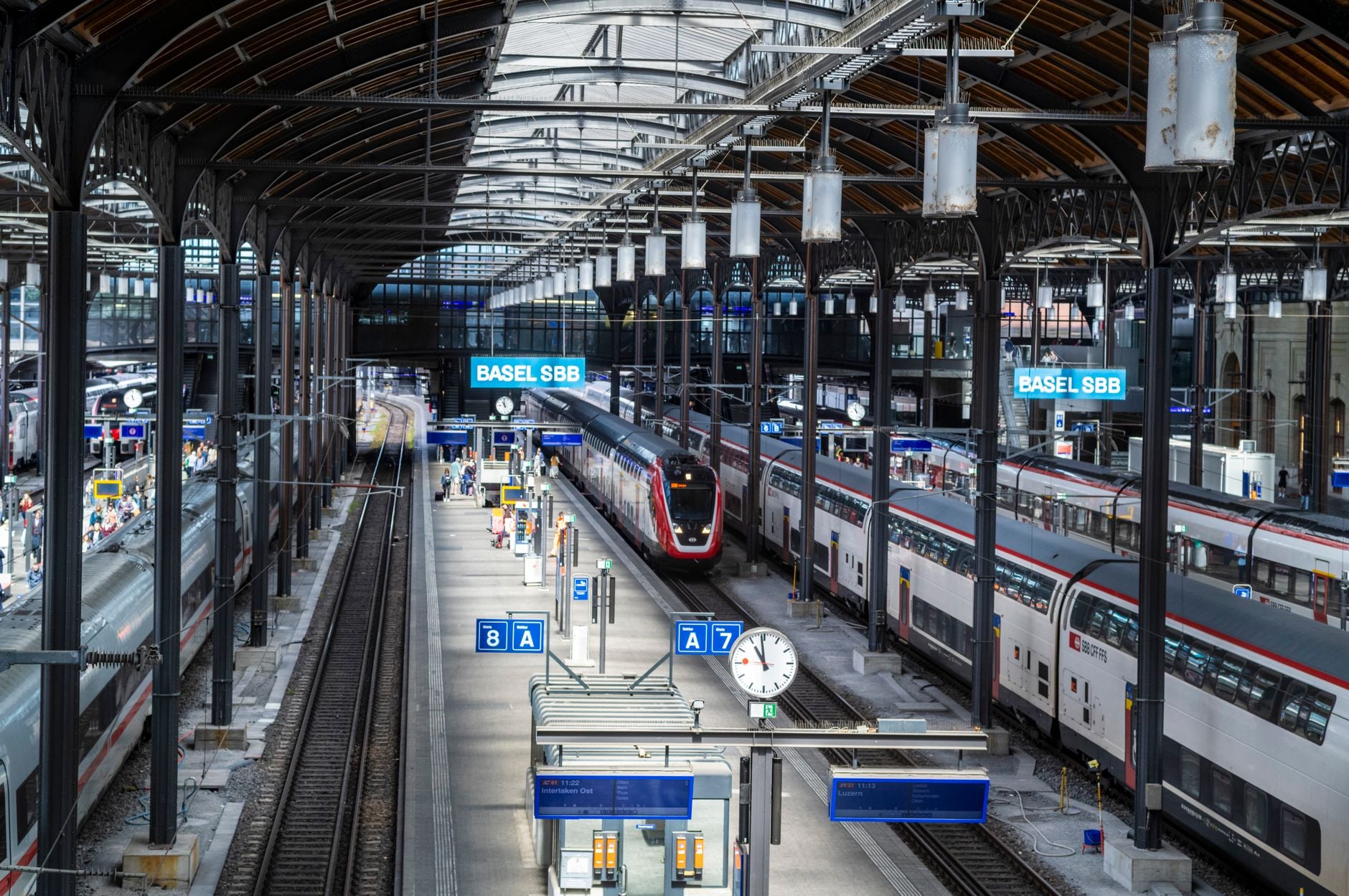
Dining cars offer regional cuisine at inflated tourist prices, but platforms at longer stops provide opportunities for local food at reasonable costs. Bringing snacks prevents the price premium station vendors charge. Window seats reward early boarding, particularly on scenic routes like SBB mountain trains where panoramic views elevate the entire journey. Charging ports increasingly appear in modern trains, letting you power devices during multi-hour travels. Understanding train amenities prevents wasting money on overpriced services while maximizing available comfort options. First-class seating often includes complimentary beverages and snacks, representing good value for longer journeys despite higher ticket costs.
Navigating Connections and Multi-Country Journeys
- SBB connects seamlessly to Italian, French, and Austrian rail systems for efficient multi-country itineraries
- Buffer time between connections prevents missed trains when first arrivals run late
- Some borders require passport control—allow additional time for processing
- Language skills help explain destination changes to conductors if plans shift mid-journey
- Apps displaying real-time train positions let you verify punctuality rather than guessing arrival times
European rail travel rewards travelers who invest time understanding systems and planning deliberately. SBB demonstrates that quality infrastructure makes exploration simpler and more enjoyable than driving through the same region, leaving you energized rather than exhausted at journey’s end.