




Bath time represents one of parenthood’s most important daily rituals, combining essential hygiene with bonding opportunity, comfort, and sensory development. A good bath routine establishes healthy habits while providing calming time before sleep. However, bathing newborns and infants requires special knowledge about water temperature, product selection, technique, and safety considerations to prevent issues ranging from minor irritation to serious complications. Understanding how to bathe your baby safely and effectively gives confidence while creating positive associations with water and self-care. Comprehensive baby bathing solutions provide tested products and guidance supporting healthy routines from newborn through toddlerhood.
Preparing for Baby Bath Time
Successful bathing begins before water touches skin. Gather all supplies beforehand—never leave baby unattended to fetch forgotten items. Mild cleanser, soft washcloth, hooded towel, fresh clothing, and diaper should remain within arm’s reach. Test water temperature using your elbow or a thermometer; babies need warmer water than adults but nothing exceeding 37°C (98.6°F) which risks scalding sensitive skin. Room temperature should be comfortable—ideally 24°C (75°F)—to prevent chilling when removing baby from warm water. Soft lighting and minimal noise create calm atmosphere. Some babies enjoy bath time more when music plays softly. Knowing you’ve prepared thoroughly allows relaxation, helping baby sense your confidence.
Newborn Bathing Fundamentals
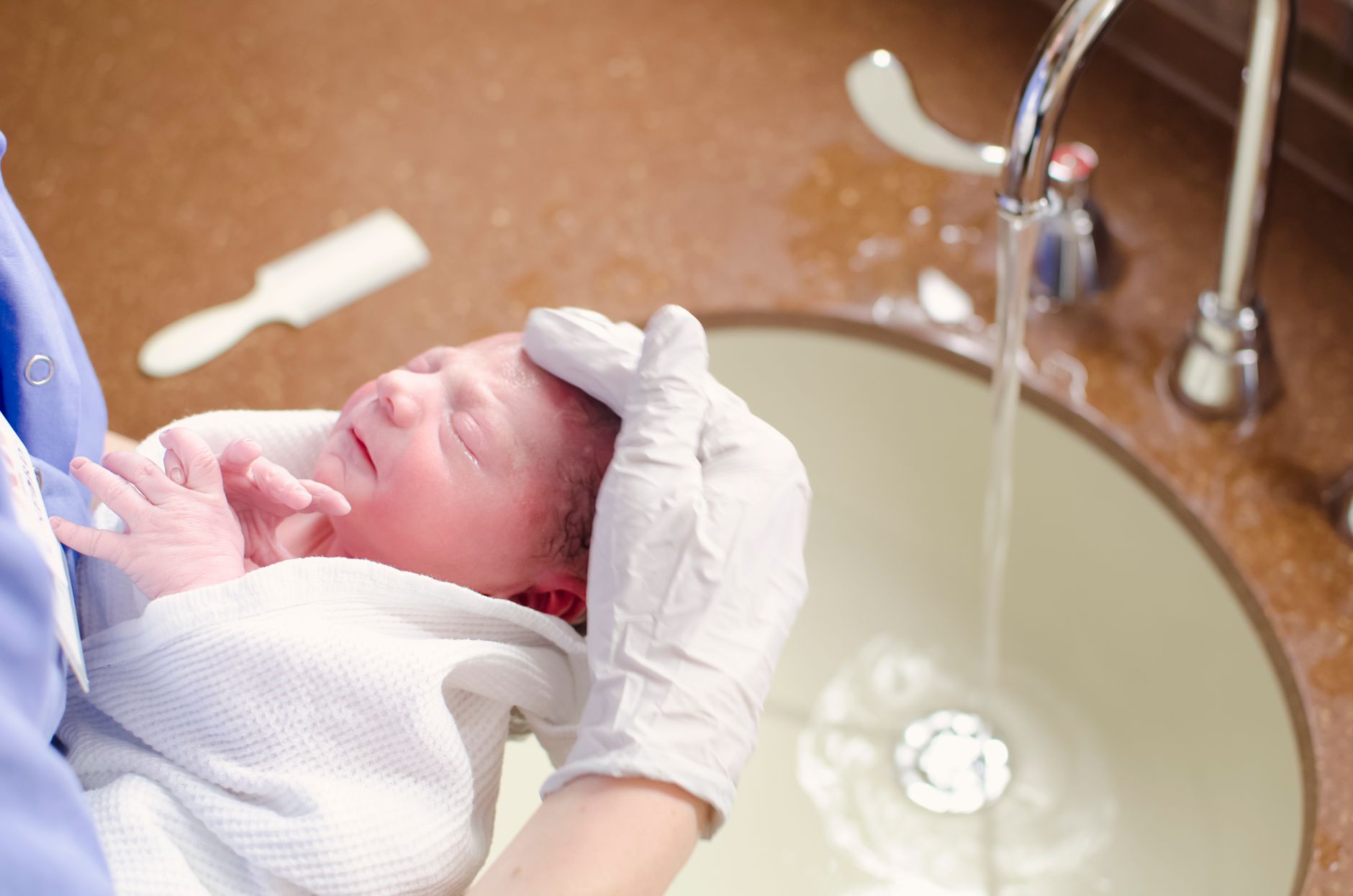
Newborns lose heat rapidly, necessitating efficiency and warmth. For cord care, sponge baths on a flat surface work better than submersion. Once the umbilical stump falls off and navel heals completely, brief submersion bathing becomes appropriate. Hold baby securely with one hand supporting head and neck while your other guides them into warm water. Infant baths, specially designed with built-in support, ease anxiety for new parents. Work quickly—newborn baths should last only 5-10 minutes. Start with feet and legs, progressing toward face last. Rinse thoroughly but gently, supporting baby constantly. Lift baby immediately after, wrapping in pre-warmed towel to maintain body temperature.
Gentle Cleansing Techniques
Mild, tear-free products formulated specifically for babies prevent irritation to sensitive skin. Use minimal amounts, approximately a pea-sized dollop for entire body. Lather gently without vigorous scrubbing. Work from neck downward, cleansing skin folds and creases where moisture accumulates. Pay particular attention to areas under arms, behind ears, and between toes where bacteria can thrive. Use soft washcloths or your hand—traditional bath mitts aren’t necessary and can scratch delicate skin. Save face washing for last using plain water only, avoiding soap around eyes and mouth. Gentle baby care products ensure thorough cleansing without harsh chemicals.
Water Temperature and Duration

Accurate temperature control prevents both chilling and scalding. Thermometers take guesswork out of water preparation. Ideal temperature sits around 37°C (98.6°F)—test before placing baby in water. Baths exceeding 10 minutes for newborns cause excessive heat loss even in warm water. Older babies and toddlers tolerate longer baths but shouldn’t exceed 15-20 minutes. Hard water and chlorination can irritate sensitive skin; some parents add gentle bath additives formulated for babies. Keep bathwater fresh and clean; even brief baths require fresh water rather than reusing. Once baby reaches sitting age and can support their head, water level can increase slightly for greater comfort.
Hair and Scalp Care
Gentle shampoo prevents irritation while maintaining healthy scalp. Babies don’t require daily hair washing; 1-2 times weekly suffices unless obviously soiled. Support head securely and recline slightly so water runs backward rather than toward face and eyes. Wet hair thoroughly with cupped hand, apply tiny amount of shampoo, and massage gently. Rinse carefully, using your hand as barrier between eyes and water. Cradle cap—flaky, yellowish scalp buildup—requires gentle daily brushing with soft brush and occasionally extra moisturizing. Never use adult dandruff shampoos; baby-specific products address cradle cap safely.
After-Bath Care
The moments after bath remain critically important. Wrap baby immediately in pre-warmed towel, patting (never rubbing) skin dry. Pay special attention to creases, neck folds, and diaper area where moisture retention causes irritation and fungal growth. Apply moisturiser to damp skin if baby has dry or eczema-prone skin; this locks in hydration better than applying to completely dry skin. Avoid products containing fragrances, alcohol, or harsh chemicals that irritate sensitive skin. Dress baby promptly in clean, warm clothing. Some babies become drowsy after warm baths—this natural relaxation can support healthy sleep routines when bathing occurs before bedtime.
Recognising and Addressing Bath Time Distress
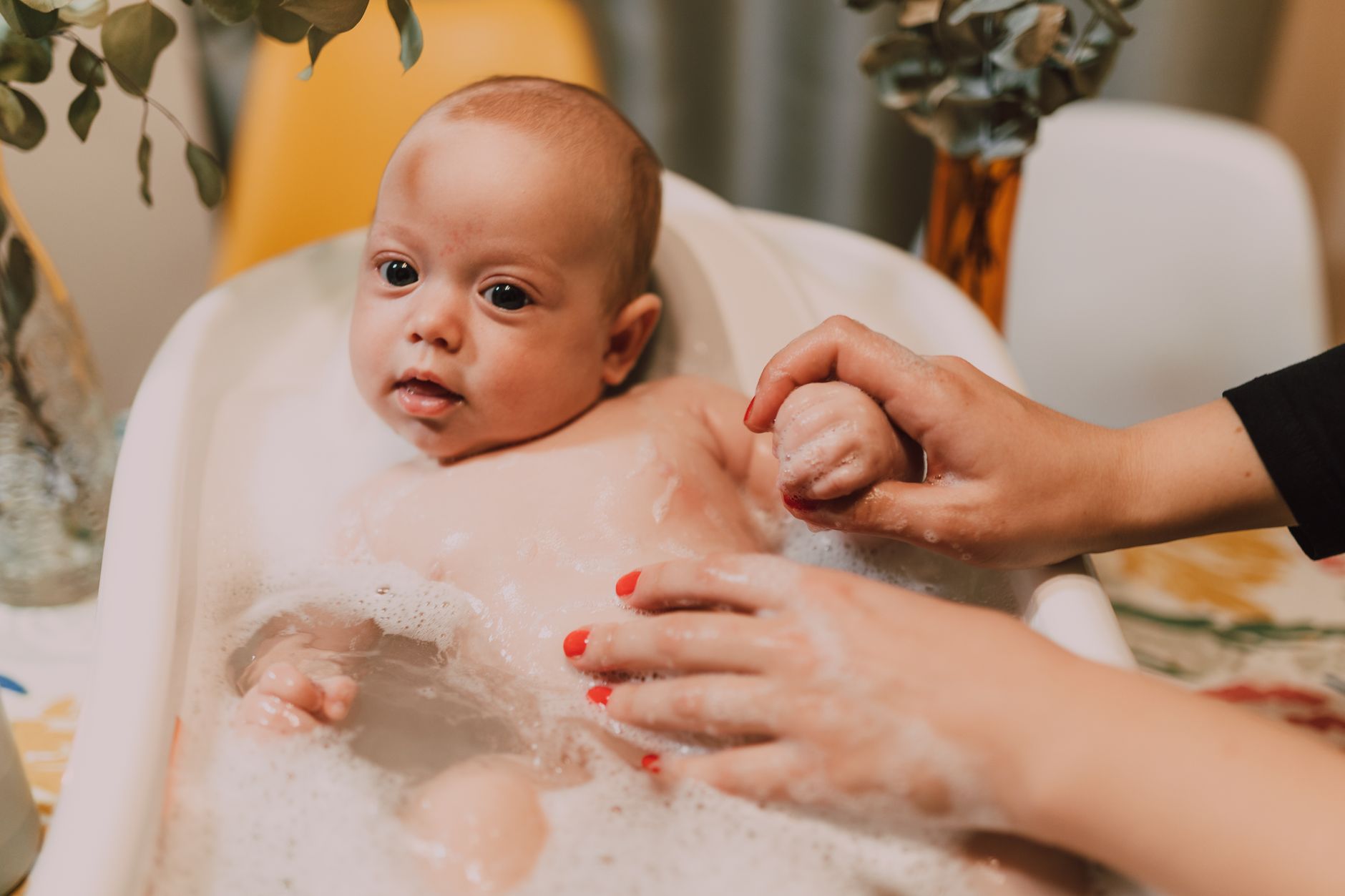
Some babies cry during bathing despite safe, gentle technique. This doesn’t indicate abuse or harm. Newborns experience dramatic temperature changes and novel sensations without understanding safety. Gradually acclimate fearful babies by introducing water contact slowly. Begin with sponge baths, progress to damp washcloth, then brief water contact, eventually working toward full baths as comfort increases. Calm voice, gentle touch, and patience gradually build positive associations. Never force bathing or make it stressful; short, pleasant experiences build tolerance better than lengthy, frightening ones. Some babies genuinely dislike baths and need extra time developing comfort. Consulting paediatricians helps distinguish normal hesitation from issues requiring attention.
Water Safety Considerations
Drowning remains a leading cause of unintentional childhood injury. Never leave babies unattended in or near water, even in shallow bathwater. Keep phones away during bathing to prevent distraction. Older siblings shouldn’t supervise younger babies during baths. Soft mesh bath seats provide support without replacing supervision. Water temperature control requires vigilance; single-lever faucets easily produce scalding water if accidentally bumped. Some families install thermostatic mixing valves limiting maximum temperature. Keeping bathroom door locked prevents unsupervised access to bathing areas. Teaching older children water respect and safety gradually builds lifelong water competence.
Establishing Positive Bath Routines
Consistent bathing times—perhaps same time daily or several times weekly—help babies anticipate and adjust to routines. Predictability reduces anxiety while supporting sleep schedules when bathing occurs before bedtime. Some families find bath time optimal bonding opportunity, talking and singing with babies while washing. Others appreciate calming background music. Your attitude toward bath time directly influences baby’s response. Approaching bathing with calm confidence communicates safety, helping baby relax. Over time, most babies develop neutral or positive associations with bathing, making hygiene routines pleasant rather than stressful.
Your Bathing Success
Safe, effective baby bathing combines knowledge, preparation, and confidence. Understanding proper technique prevents common problems while creating positive routines. Expert baby care guidance and products support your journey, ensuring bath time becomes cherished daily ritual building health, bonding, and comfort from infancy onward.

Sienna is the creative visionary behind Posh Journey Style. With a background in fashion and a passion for global exploration, she curates the perfect blend of luxury travel, cutting-edge technology, and timeless beauty. Sienna believes that true style is found in the details, inspiring readers to elevate their daily lives with elegance and innovation.