



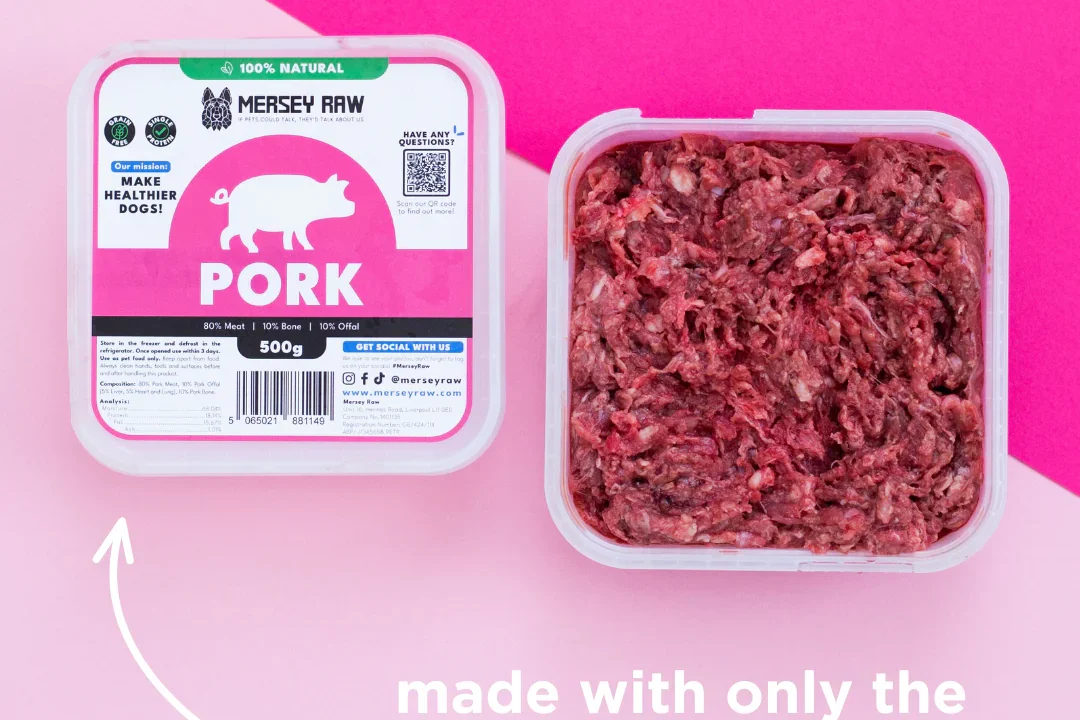
Transitioning your pet to raw food is one of the most impactful decisions you can make for their health and wellbeing. However, switching diets requires careful planning and patience to ensure digestive comfort, nutritional balance, and successful adaptation. This comprehensive guide walks you through the entire process, whether you’re starting with puppies or transitioning adult pets from conventional kibble to superior nutrition.
Why Gradual Transition Matters
Your pet’s digestive system is specifically adapted to their current diet. When you introduce raw food too quickly, you risk digestive upset including loose stools, vomiting, or constipation. A gradual transition allows the beneficial bacteria in your pet’s gut to adjust to the new food composition and enzymatic environment. Most pets transition successfully over 7-14 days when done properly with quality products like Mersey Raw.
The transition period is crucial because your pet’s digestive microbiome needs time to adapt. These beneficial bacteria populations shift in response to different food types, and allowing them to adjust gradually prevents the digestive stress that many pet owners experience when switching diets abruptly. Patience during this phase results in smoother transitions and happier pets.
The 10-Day Transition Plan
The most reliable transition approach follows this proven timeline: Days 1-3, replace 25 percent of the current diet with raw food; Days 4-6, increase to 50 percent raw and 50 percent previous food; Days 7-9, move to 75 percent raw with 25 percent old food; Day 10 and beyond, feed 100 percent raw diet.
During this period, monitor your pet’s stools, energy level, appetite, and overall behavior carefully. If you notice loose stools, slow the transition by maintaining the current ratio for an extra 2-3 days before advancing to the next stage. This personalized approach ensures your specific pet transitions at their own pace without stress. Mersey Raw offers single-protein and varied formulations, giving you flexibility to find the best match for your pet’s preferences and digestive needs.
Choosing the Right Starting Product
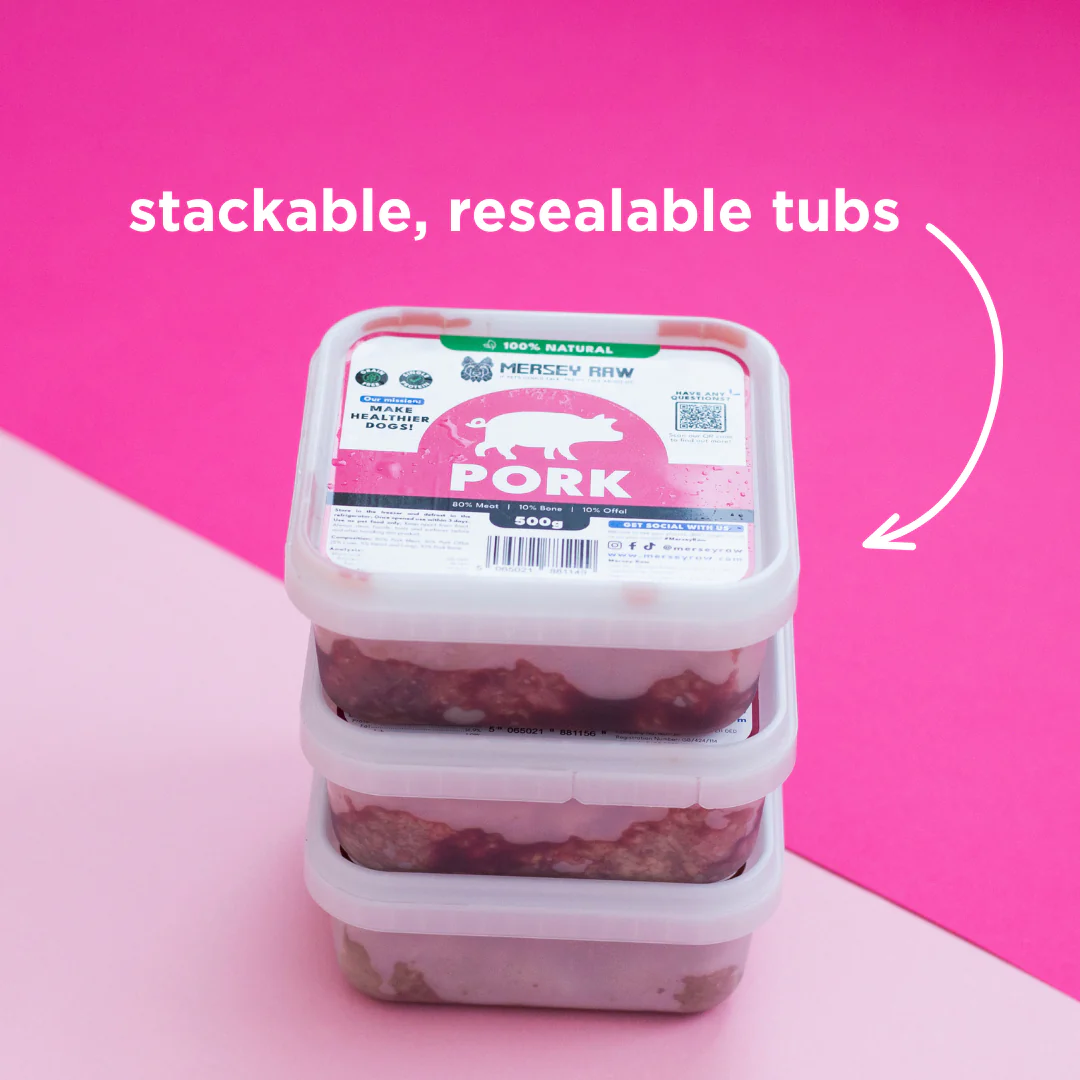
Not all raw diets are identical. Young puppies have dramatically different nutritional requirements than adult dogs, and senior pets or large breed dogs prone to joint issues need specialized formulations. Similarly, cats have unique carnivorous requirements that differ significantly from canine nutrition.
Begin with a single-protein raw diet—turkey, chicken, or beef are common starting points. Single-protein formulations make it easier to identify if your pet has sensitivities to specific ingredients. Once your pet has successfully transitioned and thrived for 4-6 weeks, you can introduce variety to keep meals interesting. Mersey Raw provides detailed guidance on portion sizes and life stage-specific formulations, taking the guesswork out of feeding your pet properly.
Storage, Safety, and Handling
Raw pet food requires proper storage to maintain safety and nutritional integrity. Keep frozen raw products in your freezer at 0°F or below, where they remain stable for several months. Thaw in the refrigerator 24 hours before feeding, never at room temperature, which promotes bacterial growth and food spoilage.
Feed thawed raw meals within 2-3 days of removal from the freezer. Use clean bowls and feeding areas, following basic food safety practices just as you would with human food preparation. These simple precautions, combined with Mersey Raw‘s stringent quality controls and sourcing standards, keep your pet safe while enjoying the benefits of raw nutrition.
Signs Your Pet Is Thriving on Raw Food
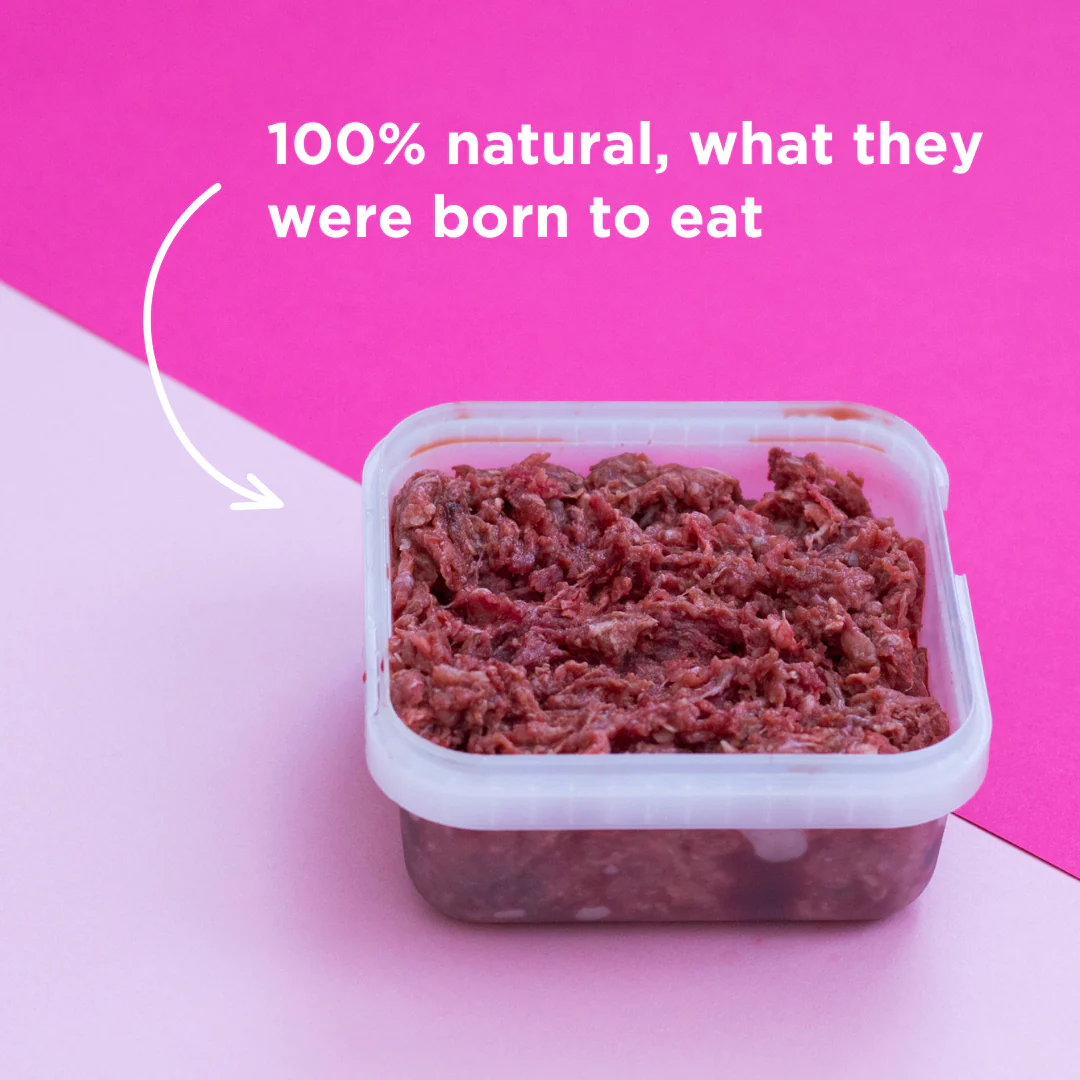
After 4-8 weeks on raw food, you should observe multiple positive changes indicating your pet is thriving. Healthy eyes become brighter and more alert with improved clarity. The coat develops a lustrous shine and improved texture throughout. Energy levels typically increase as your pet’s body processes nutrient-dense food more efficiently than kibble.
Dental health improves noticeably with visible tartar reduction. Your pet may require less frequent bathroom breaks as digestion becomes more efficient. Many owners also report improved behavior, reduced anxiety, better focus, and enhanced mental acuity—all linked to optimal nutritional status supporting brain and nervous system function. These observable improvements confirm that the switch to Mersey Raw is delivering real health benefits.
Common Questions During Transition
Many new raw feeders worry about bacteria in raw meat and whether it’s safe for their pets. The reality is that your pet’s digestive system evolved specifically to safely process raw meat. Their stomach acid is significantly stronger than human stomach acid, and their shorter digestive tract provides less time for harmful bacteria to proliferate and cause problems.
Healthy pets have robust immune systems that handle pathogens in raw food without difficulty. Another common concern involves balanced nutrition and whether homemade raw diets provide adequate vitamins and minerals. While DIY raw diets risk nutritional imbalances, commercial raw products like Mersey Raw are formulated to meet established nutritional standards, ensuring your pet receives complete and balanced meals with every feeding.
Making the Switch Easier
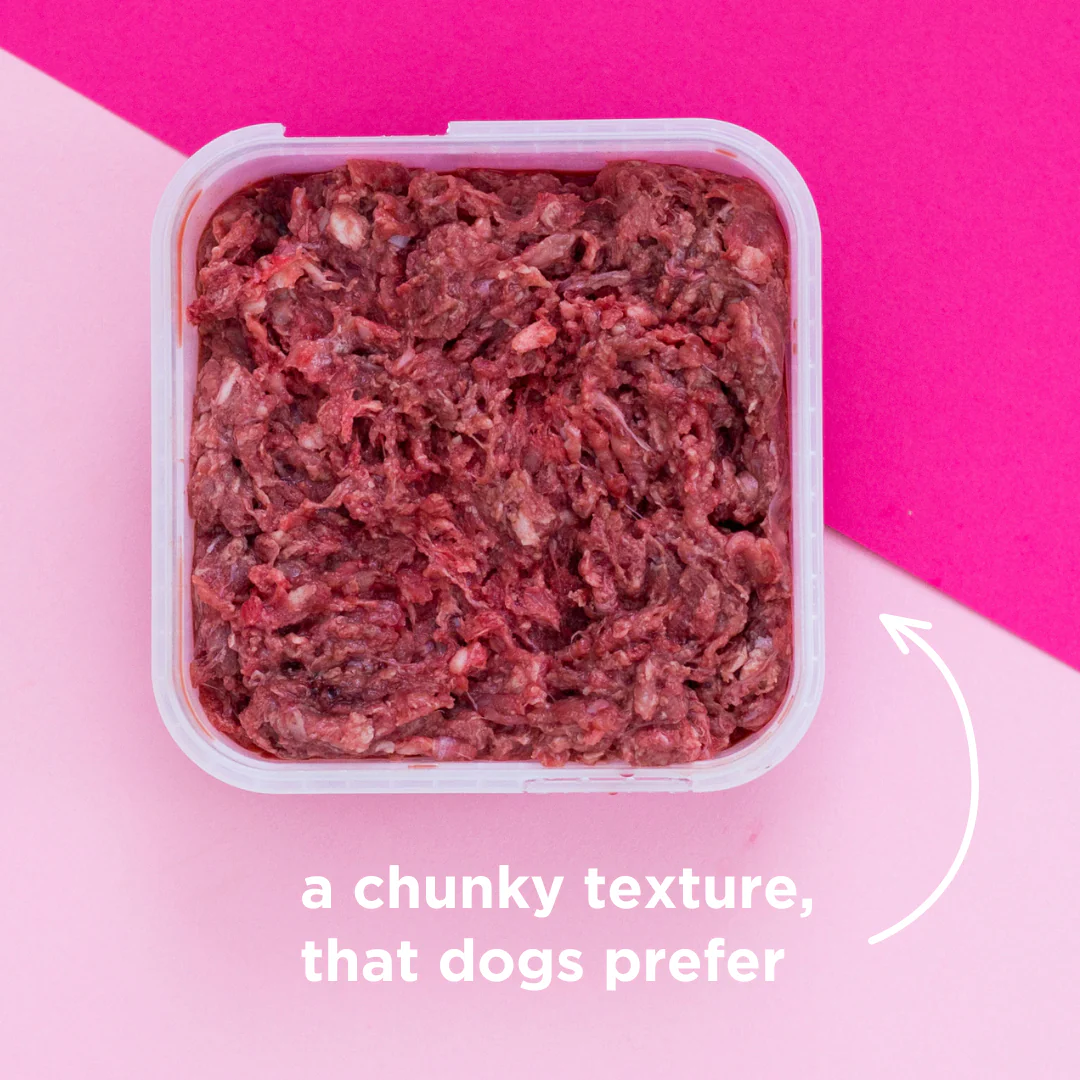
- Start with single-protein raw formulations your pet’s digestive system can easily adapt to
- Follow a gradual 10-day transition schedule rather than switching abruptly
- Monitor stools and energy levels daily to ensure positive progress
- Store and handle raw products safely using proper freezer and refrigeration practices
- Introduce variety only after successful transition and 4-6 weeks of thriving
Transitioning to raw food is straightforward when you follow a systematic approach and choose quality products from trusted brands. Your pet’s digestive system, coat, energy, and overall health will reward your commitment to better nutrition. Whether you’re a raw feeding novice or looking to switch brands, Mersey Raw provides everything you need to make the transition successfully and keep your pet thriving for years to come.

Luca Moretti is a global lifestyle writer with a passion for storytelling through travel, fashion, and urban exploration. Inspired by vibrant cities and timeless destinations, he creates content that reflects sophistication and curiosity. Luca’s work focuses on helping readers discover unique places, elevated experiences, and the art of living stylishly on the move.