




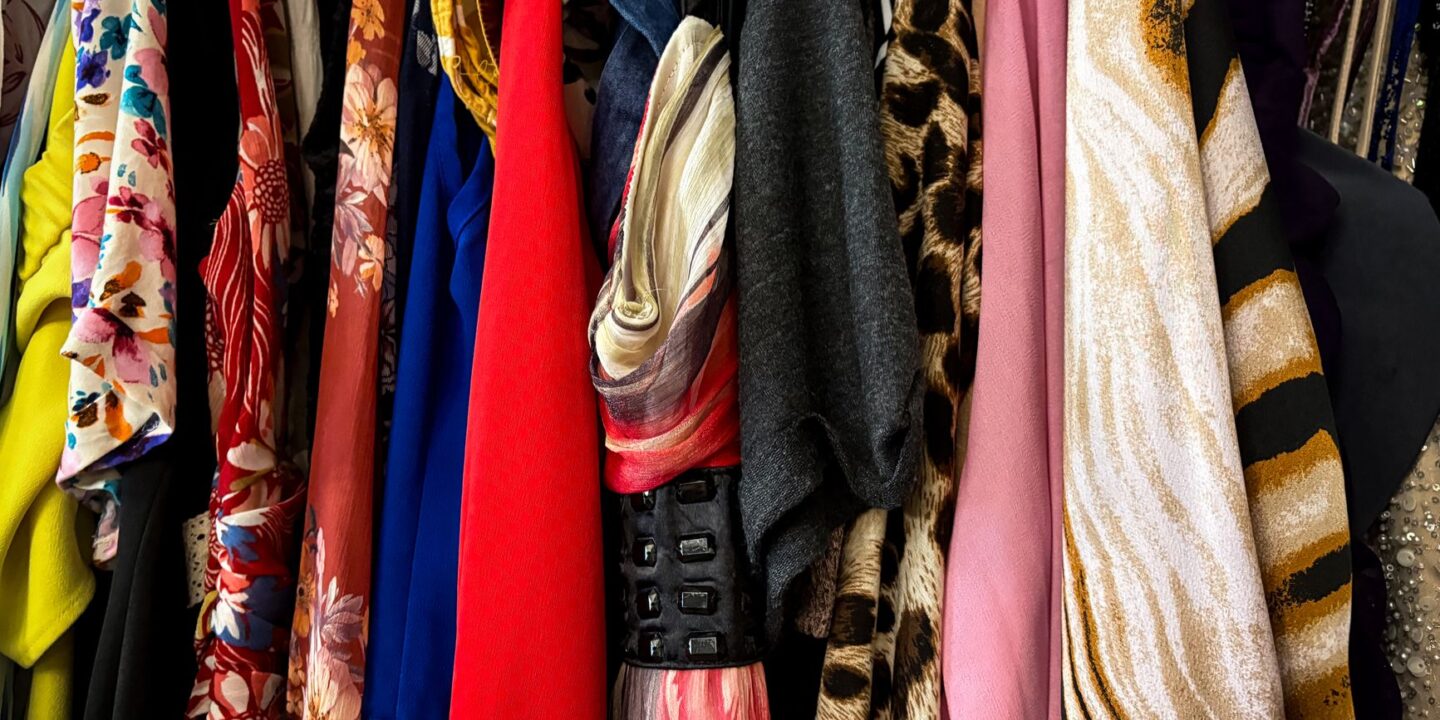
Fashion has a serious problem. The industry produces mountains of waste, exploits workers, and consumes vast resources creating pieces most people wear just a handful of times before discarding. Yet fast fashion remains the default for most consumers. If this reality bothers you, here’s the good news: sustainable fashion is no longer a niche concern. It’s becoming genuinely mainstream, and honestly, it’s better than conventional fashion in virtually every way. Ethical fashion brands prove you don’t have to compromise style, quality, or affordability to make environmentally conscious choices.
Sustainable fashion simply means making intentional choices about the clothes you buy and wear. It involves considering where items come from, how they’re made, what materials are used, and how long they’ll last. These considerations don’t diminish style or quality. Actually, sustainable pieces often outshine conventional alternatives because they’re built to last longer and perform better over time.
Understanding the True Cost of Fast Fashion
Fast fashion operates on a simple model: produce cheap clothes rapidly, sell them at low prices, and replace them constantly with new trends. This approach creates mountains of environmental waste, exploits workers throughout global supply chains, and actually costs consumers more money long-term. You might spend less per piece, but you’re constantly replacing items.
Sustainable alternatives cost slightly more initially but last substantially longer. You’re not constantly replacing clothing. Instead, you’re building wardrobes of pieces lasting years. Quality sustainable options actually save money while supporting ethical practices globally.
Material Matters Tremendously
The materials fashion uses carry enormous environmental consequences. Conventional cotton requires massive pesticide amounts. Synthetic fabrics shed microplastics into oceans and water systems. Sustainable fashion prioritizes materials like organic cotton, linen, hemp, and innovative alternatives like recycled fabrics. These materials harm less and often feel better against your skin.
Understanding material impacts helps you make conscious choices. When you check fabric composition, you’re making environmental decisions with every purchase. Natural, organic materials generally impact less than conventional alternatives.
Fair Trade and Ethical Manufacturing
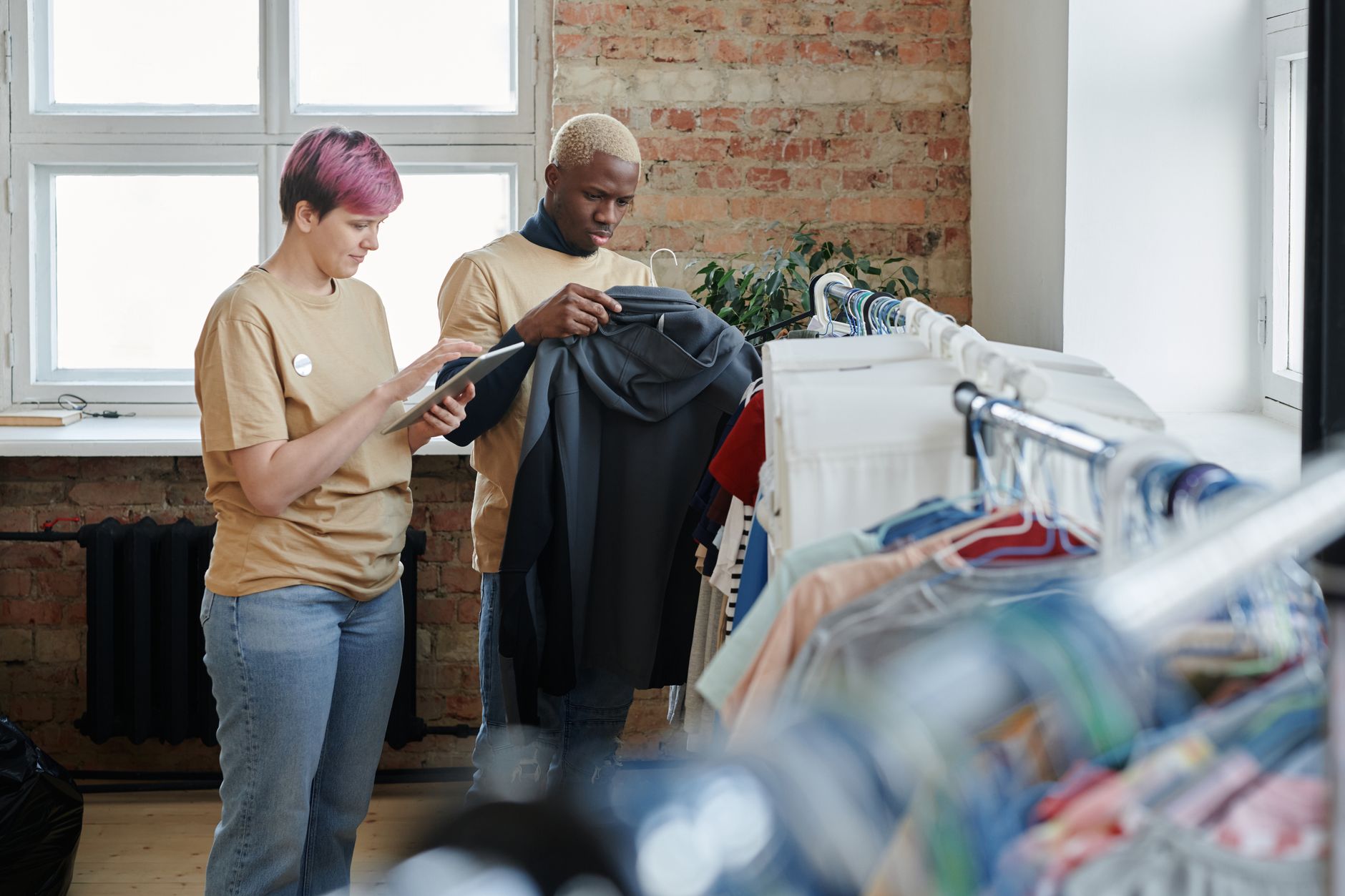
Every piece of clothing carries a human cost. Someone made it, and their working conditions matter tremendously. Fair trade and ethical manufacturing ensure these workers earn livable wages, work reasonable hours, and maintain dignity throughout production. Ethical brands prioritize fair labour practices throughout their supply chains.
Buying from ethical brands means your money supports actual humans earning fair compensation rather than workers exploited through poverty wages. This might seem like small impact individually, but billions of clothing purchases annually create significant human welfare consequences.
The Longevity Advantage
Sustainable pieces last because they’re made better. Quality construction, superior materials, and durability testing ensure these clothes survive years of wear. Rather than replacing items annually, sustainable pieces become wardrobe staples for years or decades.
This longevity transforms the economics entirely. Yes, you’re paying more initially. But divided across years of wear, sustainable pieces cost substantially less per wearing than fast fashion items.
Shopping Secondhand and Vintage
Sustainable fashion doesn’t always mean new. Secondhand and vintage pieces offer enormous sustainability benefits. You’re giving existing clothes second lives rather than creating demand for new production. Plus, vintage and secondhand shopping often yields unique pieces unavailable in retail.
Building wardrobes through vintage and secondhand combined with new sustainable pieces maximises sustainability. You’re shopping consciously regardless of whether items are new or pre-loved.
Caring for Clothes Extends Their Life
Sustainable fashion extends beyond purchasing. How you care for clothes matters tremendously. Washing less frequently, using gentle detergents, air drying rather than machine drying, and making minor repairs all extend garment lifespan significantly. Basic care transforms clothing longevity.
Many people destroy clothes through careless care then discard them prematurely. Mindful care keeps pieces wearable years longer. You’re extending the lifespan of both new and vintage pieces through intentional maintenance and attention to detail.
Building a Sustainable Wardrobe Gradually
Switching to entirely sustainable fashion overnight isn’t realistic for most people. Instead, gradual transitions work better. Replace items with sustainable alternatives as current pieces wear out. This approach limits waste while building sustainable wardrobes over time. Intentional sustainable selections add up to meaningful environmental impact.
Supporting Conscious Brands
Your purchasing power matters more than you might think. Buying from sustainable brands signals market demand. As demand grows, more brands adopt sustainable practices. Your individual purchases contribute to industry transformation and environmental shift.
Conscious fashion brands have made sustainability central rather than secondary. Supporting these brands directly impacts industry standards and worker welfare worldwide.
Fashion as Personal and Planetary Care
Sustainable fashion isn’t about sacrifice or compromise. It’s about making choices benefiting both you and the planet simultaneously. Quality pieces that last longer feel better, cost less over time, and support ethical practices throughout production. Everyone wins through this conscious, intentional approach to consumption and style. Sustainable fashion selections allow you to look fantastic while supporting a more just, environmentally conscious world for future generations.

Luca Moretti is a global lifestyle writer with a passion for storytelling through travel, fashion, and urban exploration. Inspired by vibrant cities and timeless destinations, he creates content that reflects sophistication and curiosity. Luca’s work focuses on helping readers discover unique places, elevated experiences, and the art of living stylishly on the move.