




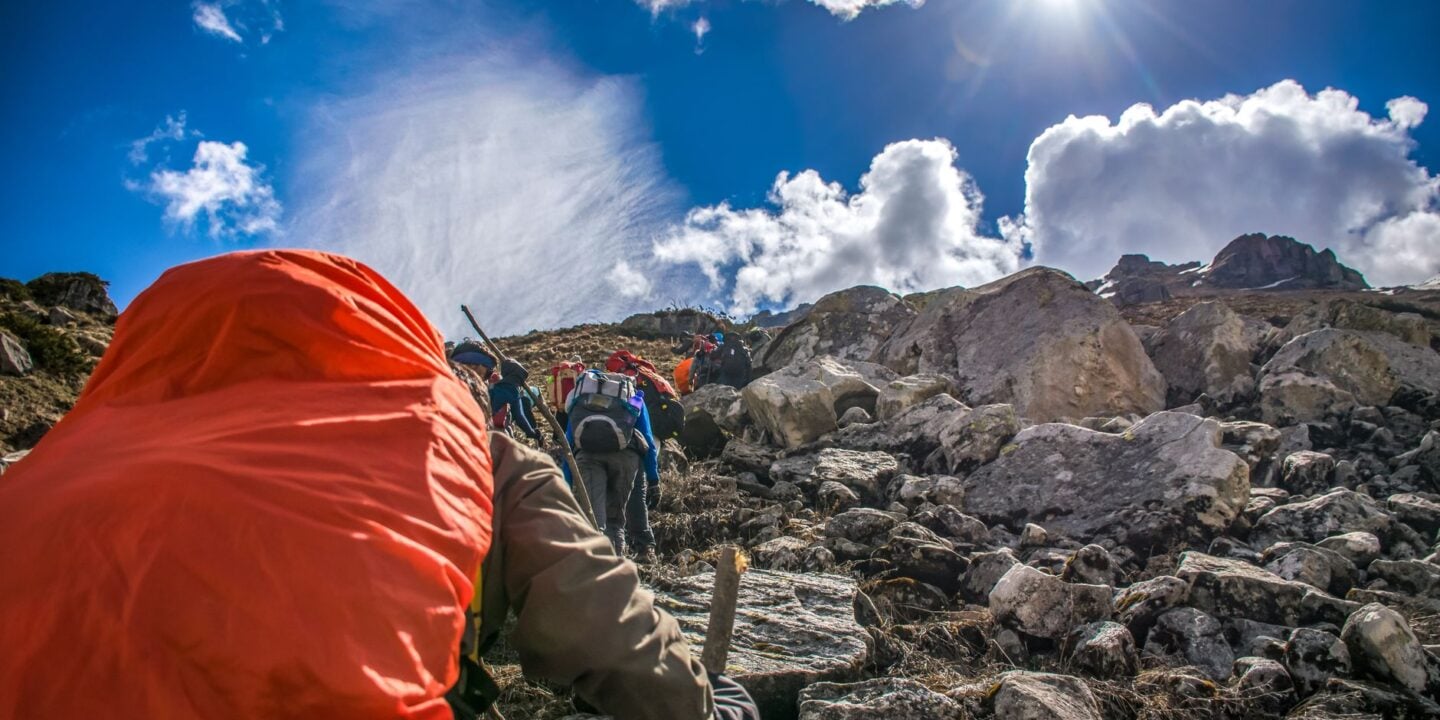
When stepping into the world of outdoor exploration, having the right equipment transforms any journey from stressful to seamless. Whether hiking mountain trails, camping under stars, or embarking on backcountry expeditions, quality gear makes the difference between a memorable experience and one cut short by discomfort or safety concerns. Professional adventurers and weekend wanderers alike discover that investment in reliable equipment pays dividends through extended trip duration, improved safety margins, and recovery time to pursue future adventures without injury-related setbacks. Decathlon specializes in providing adventurers with practical, durable equipment designed for real-world conditions and tested across varied terrain.
Choose the Right Backpack for Your Journey
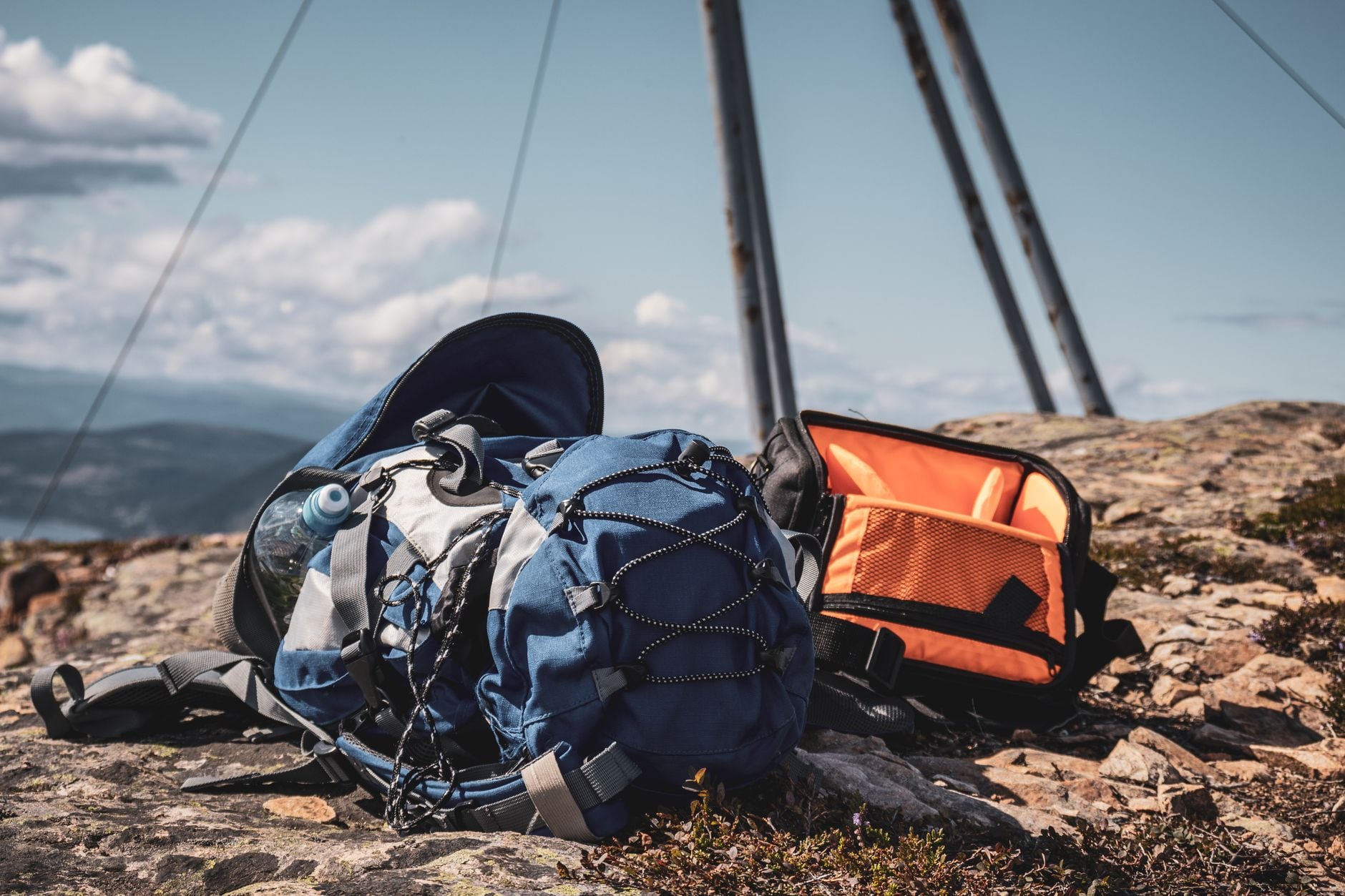
Your backpack serves as your mobile base camp, carrying everything essential for success outdoors. Capacity matters—a 40-liter pack works for weekend escapes, while multi-day expeditions demand 50-70 liters. Shoulder harnesses should distribute weight evenly across your hips and back, reducing strain during long treks. Look for Decathlon packs with ventilated back panels that prevent moisture buildup even on hot days. Quality stitching and reinforced seams ensure your gear stays secure whether navigating rocky terrain or pushing through dense brush. Consider additional features like compression straps that stabilize shifting loads and hydration pack compatibility for hands-free water access during strenuous climbs. Premium packs include organizational compartments keeping essentials accessible without emptying the entire bag repeatedly.
Layering Strategy for Unpredictable Weather
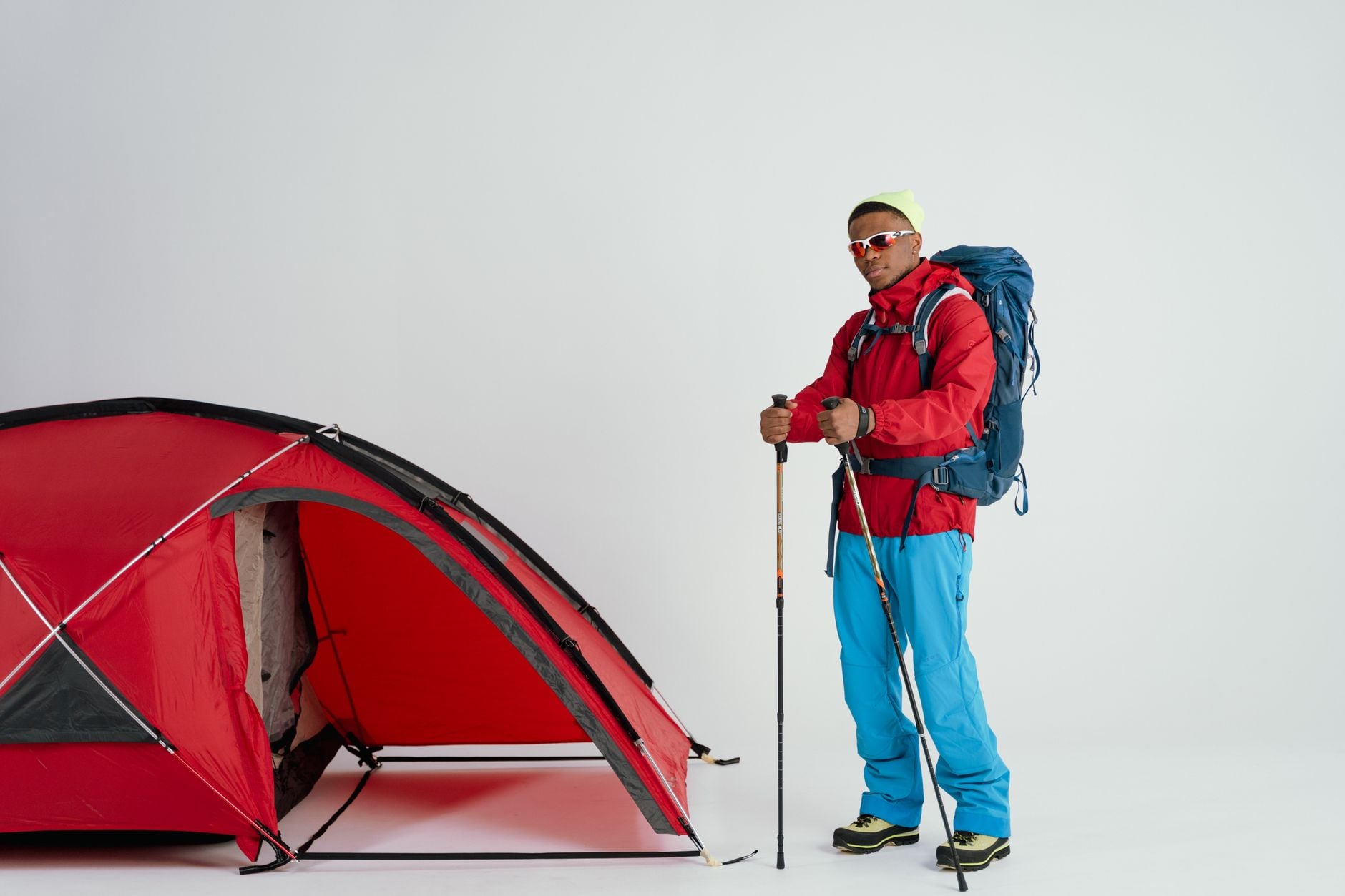
Weather in wild places shifts rapidly, sometimes within hours of departure. A base layer pulls moisture away from skin, keeping you warm even when damp. Insulating layers trap body heat without adding excessive bulk, and waterproof outer shells shield against rain and wind. Merino wool and synthetic fabrics dry faster than cotton and maintain warmth when wet. Understanding the science behind layering transforms random clothing choices into strategic systems maximizing comfort across temperature swings. Decathlon offers layering systems engineered for temperature swings, letting you stay comfortable from sunrise to sunset on the trail. Test layers at home before expeditions, ensuring you understand how each component responds to moisture and temperature changes. Consider that layering allows weight distribution across multiple lightweight items rather than packing one heavy jacket that won’t breathe properly during exertion.
Footwear That Matches the Terrain
Proper hiking boots prevent twisted ankles and blisters that can end a trip prematurely. Look for ankle support, aggressive tread patterns, and materials that breathe while shedding water. Break in new boots before serious expeditions—start with day hikes to ensure comfort and identify any pressure points before multi-day commitment. Gaiters worn over boot tops block debris and snow from entering your shoes. Sock choice influences blister prevention as much as boot quality, with merino wool socks absorbing moisture while maintaining cushioning through extended hikes. Decathlon stocks boots tested on real mountains, not just in warehouses, so performance matches the marketing. Consider carrying spare socks for multi-day trips, providing fresh options when damp ones create blisters. Insoles designed specifically for hiking provide arch support and shock absorption that generic shoes lack.
Navigation and Safety Essentials
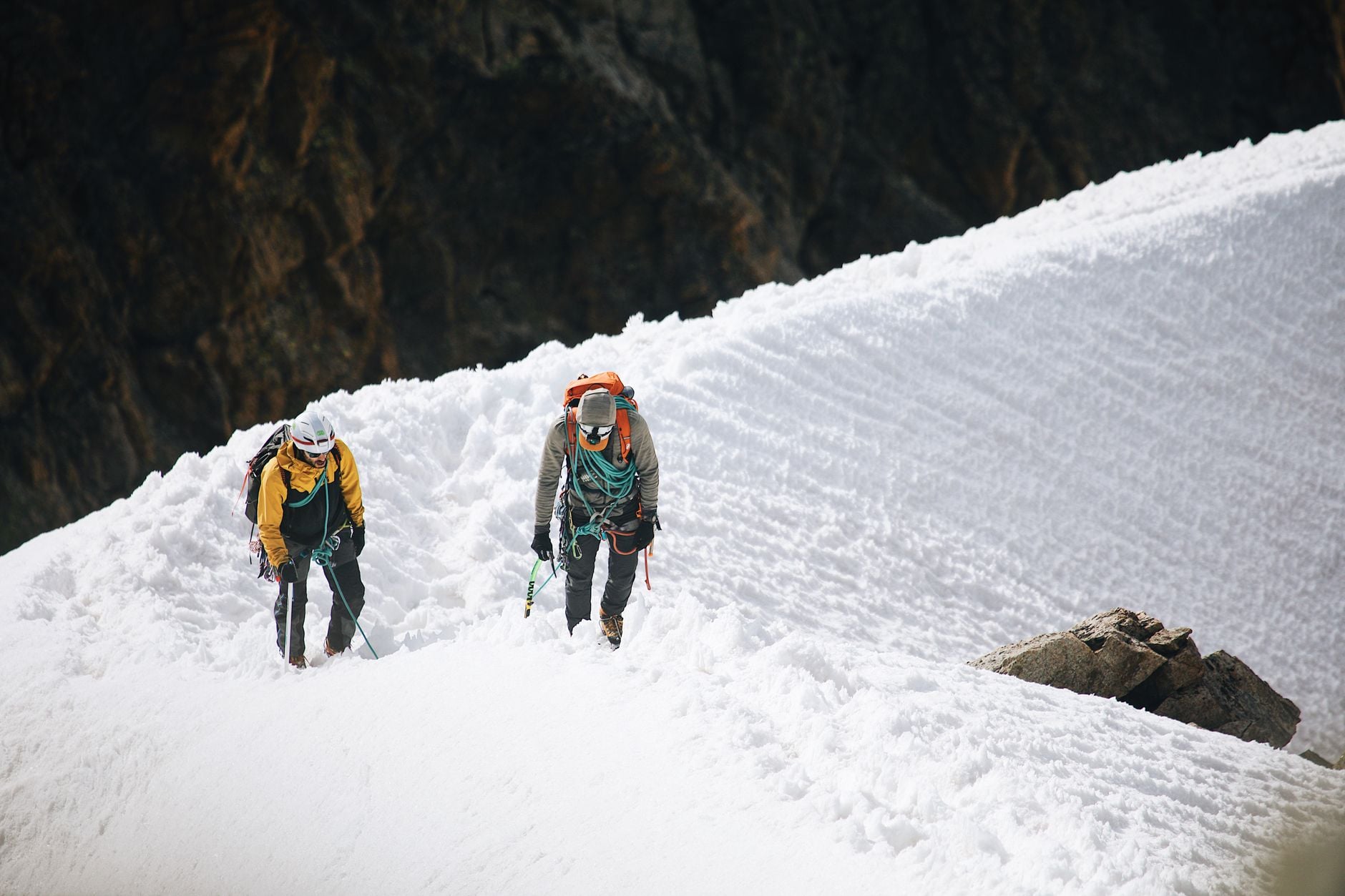
A map, compass, and GPS device together create redundancy when electronics fail. Know how to read topographic lines and take bearings using your compass before you need the skill in a critical moment. Headlamps with spare batteries eliminate stumbling in darkness, while first aid kits address blisters, cuts, and minor sprains. Emergency whistles carry in pockets, occupying almost no space but potentially saving lives in crisis situations. Fire-starting materials including waterproof matches and lighters provide warmth and morale boost during unexpected emergencies. Decathlon provides comprehensive safety gear so you can venture confidently into unknown terrain. Consider personal locator beacons for remote expeditions, providing emergency communication where cell networks don’t reach. Training in basic first aid, wilderness survival, and route-finding prevents panic when unexpected situations develop.
Sleep Systems for Restful Nights
A sleeping bag rated for lower temperatures than you expect provides safety margin against unexpected cold snaps. Down insulation compresses small and lasts decades, while synthetic fills perform better when wet. Sleeping pads insulate against ground cold and cushion your body from hard earth. Combined, these create a cocoon where you’ll actually rest instead of shivering through the night. Understand bag temperature ratings differ significantly between manufacturers, so comparing specific models against field reviews beats relying on manufacturer claims alone. Decathlon designs sleep systems balancing weight, warmth, and durability for adventurers who refuse to compromise. Quality sleep during expeditions accelerates recovery and improves decision-making during challenging conditions. Camping pillows designed for outdoor use provide neck support eliminating shoulder pain from sleeping on compressed gear.
Cooking and Nutrition Gear
- Decathlon stoves deliver consistent heat with minimal fuel consumption, crucial for extended trips
- Titanium cookware resists dents and heats evenly across curved bottoms
- Lightweight water bottles with filters remove contaminants from natural sources
- Food containers organize meals and prevent wildlife encounters
- Utensil sets fold small but deliver full functionality for camp meals
Investing in genuine outdoor equipment through Decathlon means spending money once on items that perform reliably for years. Quality gear doesn’t guarantee adventure, but it removes obstacles that might otherwise cut short your time in wild places. Proper equipment transforms challenging conditions from threats into manageable challenges, allowing you to focus on experiencing the landscape rather than struggling with inadequate tools.