




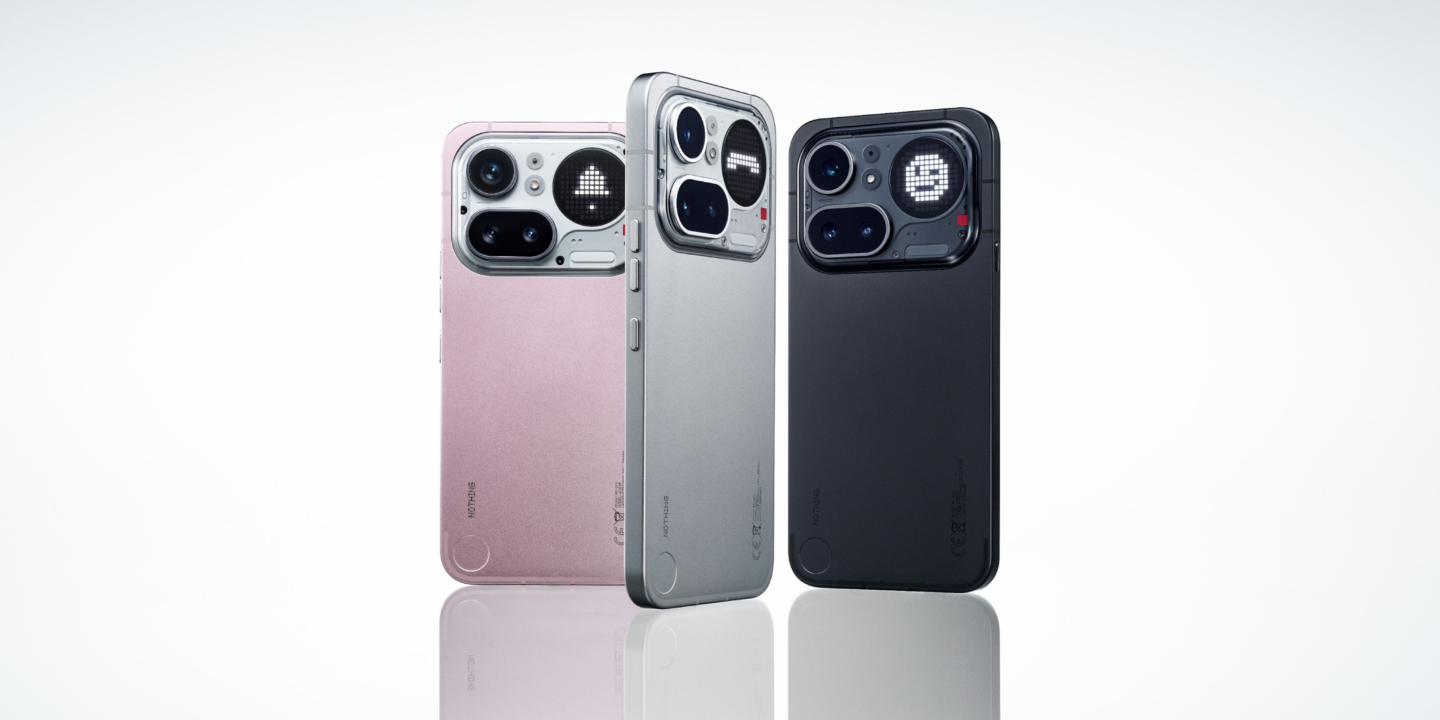
Technology companies obsess over specifications—processor speeds, megapixels, battery capacity—reducing devices to numerical contests where largest numbers win. Yet specifications measure performance, not purpose. Nothing understands this distinction, approaching design philosophically rather than numerically. Every element serves intentional purpose; nothing (aptly named) appears without justification. This clarity transforms Nothing devices from specification-driven products into thoughtfully designed experiences reflecting deep understanding of how technology should integrate into life.
The Art of Intentional Design Choices
Nothing design philosophy begins with elimination—identifying unnecessary complexity, removing redundant features, questioning industry conventions. This process proves harder than addition; removing elements while maintaining functionality requires discipline, creativity, and confidence. Most designers accumulate features fearing omission sacrifices functionality. Nothing proves that sometimes best solutions involve refusing trends.
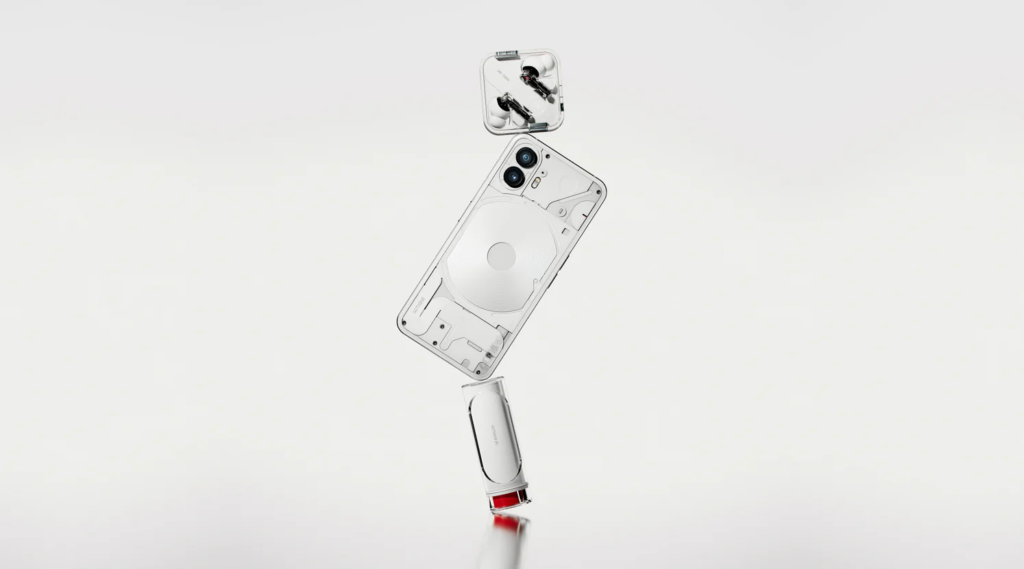
Consider the transparent back design. Initially dismissed as gimmick, Nothing executed transparency with intentionality—component layout follows aesthetic logic, wiring becomes visual pattern, internal architecture communicates external identity. The transparency isn’t superficial—it reflects Nothing‘s fundamental commitment to honesty and quality consciousness.
Interface Design and Information Architecture
Nothing interfaces reject maximalist tendencies consuming contemporary design. Rather than screens packed with widgets, notifications, and attention-grabbing elements, Nothing embraces breathing room. Content becomes focal point; interface retreats into background. This approach requires extreme clarity—every button must justify existence, every interaction must feel natural. Weak design hides behind visual noise; strong design speaks through restraint.
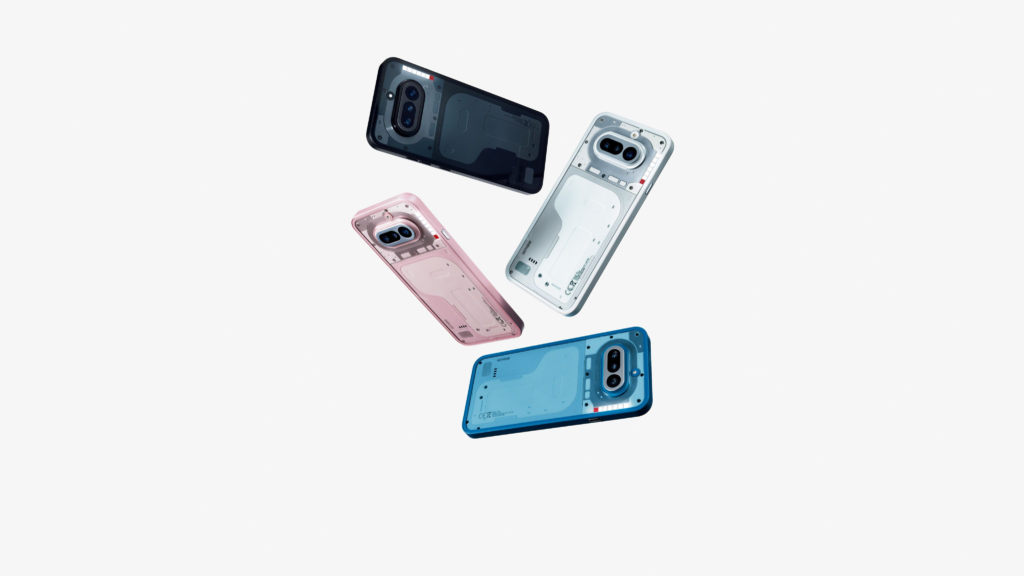
The result proves liberating—Nothing devices don’t feel cluttered despite containing sophisticated features. Interface clarity enables users focusing on tasks rather than tool navigation. This efficiency compounds across thousands of daily interactions, accumulating meaningful quality-of-life improvements.
Glyph: Interface Innovation Serving Purpose
The Glyph interface demonstrates Nothing‘s approach to features—innovations must enhance rather than complicate. Rather than adding notification lights like competitors, Nothing reconceived notification communication. The result: beautiful geometric patterns communicating information while remaining visually sophisticated. Practical utility combines with aesthetic appreciation—notifications become ambient awareness rather than interruptions.
This represents mature design thinking. Nothing doesn’t add features for differentiation; features emerge organically from solving genuine problems thoughtfully. The Glyph interface proved so successful that competitors now replicate the concept—the ultimate validation that Nothing identifies genuine improvements rather than trendy novelties.
Material Science and Haptic Feedback
Nothing obsesses over material selection—glass choices, metal finishes, texture development. Materials matter because users touch devices thousands of times daily. Cheap materials create cheap experiences despite powerful internals. Nothing materials reward tactile attention—smooth surfaces, satisfying weight, premium textures communicating quality through touch.
Haptic feedback quality similarly reflects intentional design—vibration motors provide satisfying confirmation without overuse. Nothing understands that best feedback often disappears—users should feel interactions smoothly without conscious awareness of haptic mechanisms.
Photography and Computational Intelligence
Camera systems exemplify Nothing philosophy—specifications matter less than execution. Rather than megapixel races, Nothing focuses on image quality, computational photography sophistication, and practical usability. Night modes work reliably, zoom maintains quality, processing respects content rather than applying artificial filters.
This distinction separates Nothing from competitors boasting larger sensors or more lenses. Nothing recognizes that user satisfaction emerges from practical performance rather than theoretical specifications.
Ecosystem Philosophy and Connected Experiences
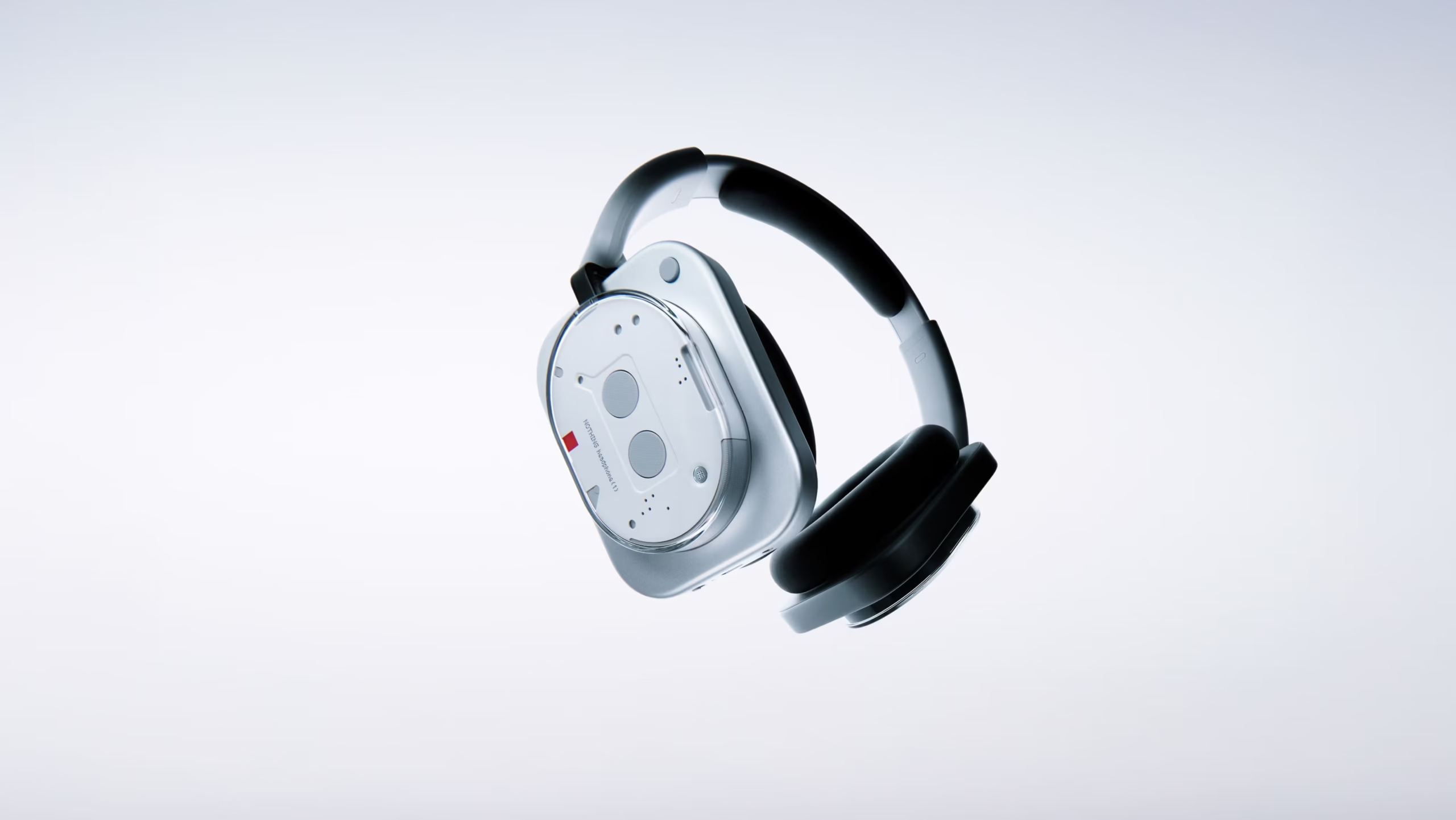
Nothing approaches products as ecosystem components rather than isolated devices. Seamless connection between products, thoughtful feature integration, and consistent design language create experiences transcending individual devices. Users benefit from complete Nothing ecosystems while remaining free to choose individual components.
Long-Term Thinking and Durability
Nothing design supports extended device lifespans—timeless aesthetics avoid dated appearance, structural durability withstands years of use, software support extends functionality. This philosophy contradicts planned obsolescence driving industry profits. Nothing respects customer investment through long-term value preservation.
Choosing Nothing devices means investing in products designed for years of satisfying use rather than disposable technology requiring replacement cycles.
The Philosophy Advantage
Nothing proves that technological innovation emerges from philosophical clarity rather than feature accumulation. This intentional approach creates genuinely innovative products that competitors struggle replicating because imitation requires understanding underlying philosophy. Nothing devices represent what technology becomes when designed with complete intentionality and uncompromising principles.

Luca Moretti is a global lifestyle writer with a passion for storytelling through travel, fashion, and urban exploration. Inspired by vibrant cities and timeless destinations, he creates content that reflects sophistication and curiosity. Luca’s work focuses on helping readers discover unique places, elevated experiences, and the art of living stylishly on the move.