




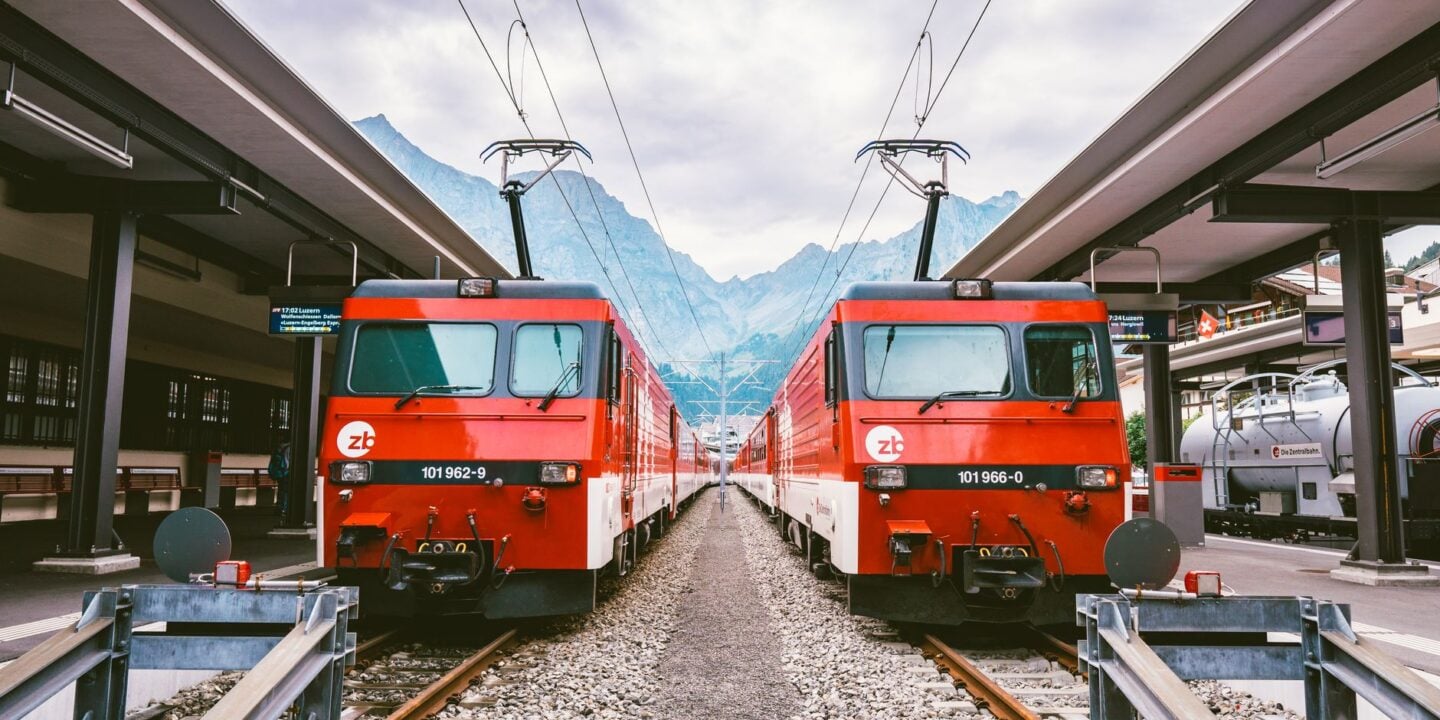
The Swiss railway network transforms landscape appreciation into an art form, threading through mountain passes, along crystalline lakes, and past charming villages that seem frozen in alpine tradition. Rather than rushing between destinations by car, train travel lets passengers become observers of scenery while others navigate roads. Every window reveals different perspectives—towering peaks from unexpected angles, hidden valleys, and small towns accessible only by rail. Modern engineering has made once-impossible routes routine, connecting Switzerland’s most dramatic regions through infrastructure that prioritizes both efficiency and visitor experience. SBB operates the infrastructure enabling this immersive experience across one of Europe’s most dramatic regions. Swiss train design reflects philosophy that quality infrastructure enhances rather than just enables travel.
The Gotthard Railway: Engineering Marvel and Scenic Triumph
Completed in 1882, the Gotthard Railway represents one of history’s greatest engineering achievements, boring through mountain rock to create a passage impossible on surface routes. Modern trains now travel this tunnel regularly, but the segments before and after deliver unforgettable vistas across the Alps. Watch elevation markers change as your train climbs, revealing how SBB infrastructure handles terrain that would frustrate conventional road builders. The journey transforms learning about Swiss geography from reading textbooks into direct observation. Passengers experience the transition from Mediterranean climates to alpine conditions within hours, passing through ecosystems usually requiring weeks of travel to experience consecutively. The line includes 13 major tunnels and 174 smaller ones, each representing engineering triumph solving impossible obstacles.
Glacier Express: Slow Travel at Its Finest
The Glacier Express connects Zermatt and St. Moritz across some of Switzerland’s most pristine alpine terrain. Rather than racing between destinations, this train travels deliberately, letting passengers absorb the landscape instead of rushing past blur. Dining cars serve regional specialties while you watch mountains dominate every window. SBB designed this journey understanding that speed sometimes diminishes rather than enhances travel. Reservations fill far in advance because traveler demand proves the concept works—sometimes slow truly is better. The journey requires 8 hours covering approximately 290 kilometers, moving at speeds averaging less than 40 kilometers per hour—slow enough to contemplate scenery, fast enough to cover meaningful distance. Passengers report that the Glacier Express journey becomes memorable precisely because rushing is impossible, forcing presence rather than passing through.
Jungfrau Railway: Climbing to Europe’s Heights
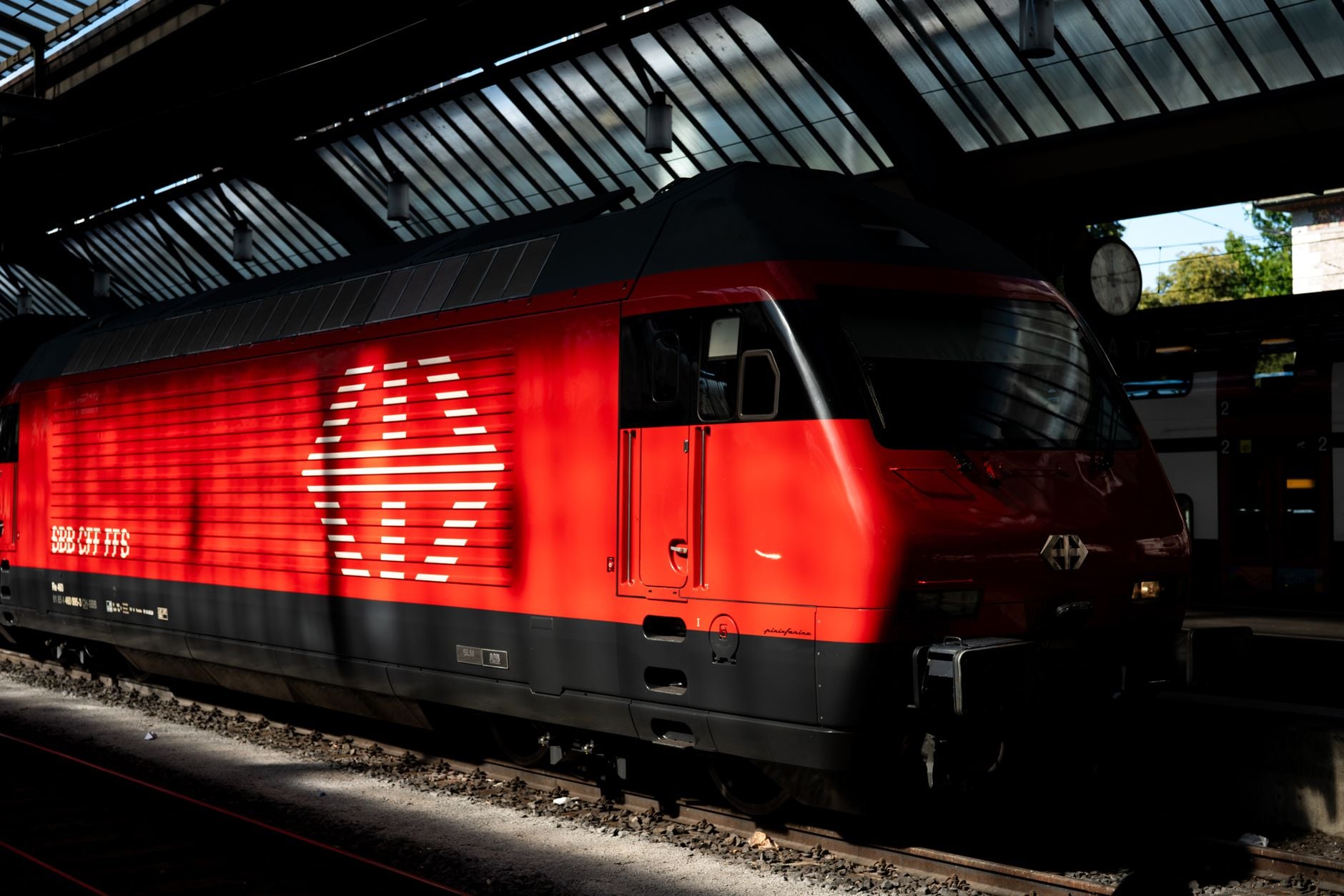
From Interlaken, the Jungfrau Railway climbs to 3,454 meters above sea level through cogwheel engineering that permits gradients impossible for conventional rail. Alpine meadows transition to ice fields as elevation increases, each kilometer introducing you to distinct ecosystems. Lunch at the summit restaurant surrounded by Eiger’s north face creates memories that linger long after your holiday ends. SBB connections throughout the region ensure reaching Interlaken easily from major cities before embarking on this distinctive mountain experience. The Jungfrau bahn operates year-round, with seasonal snow creating different experiences—summer flowers versus winter landscapes, both equally compelling. The train includes a tunnel running through the mountain’s interior, with windows allowing observation of rock formations at the summit.
Bernina Express: Red Trains Crossing the Continental Divide
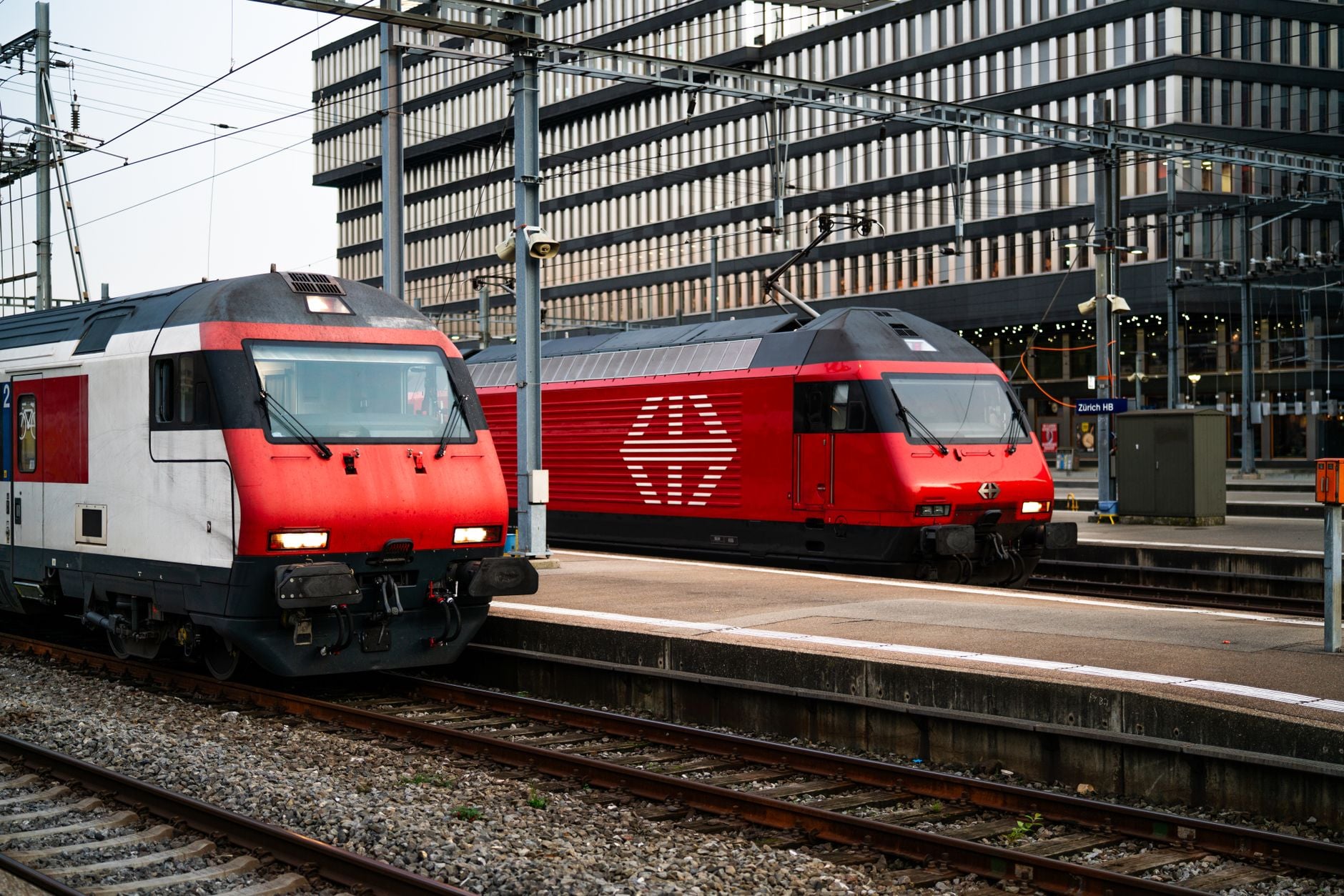
The Bernina Railway crosses Switzerland’s eastern border into Italy, descending through the Bernina Pass on viaducts that inspired admiration since construction in 1910. The Landwasser Viaduct, a UNESCO World Heritage site, curves through alpine forests on arches that seem to defy gravity. SBB preserves this route as functional infrastructure rather than museum piece, meaning you ride the same lines travelers have enjoyed for over a century while experiencing increasingly advanced train technology. The line descends 1,824 meters in 61 kilometers, achieving grades exceeding 70 per thousand—steep enough to capture attention while sophisticated engineering prevents runaway speeds. Red trains passing through this landscape have become iconic, appearing in countless travel photographs.
Basel to Zurich: Efficient Beauty Through Northern Switzerland
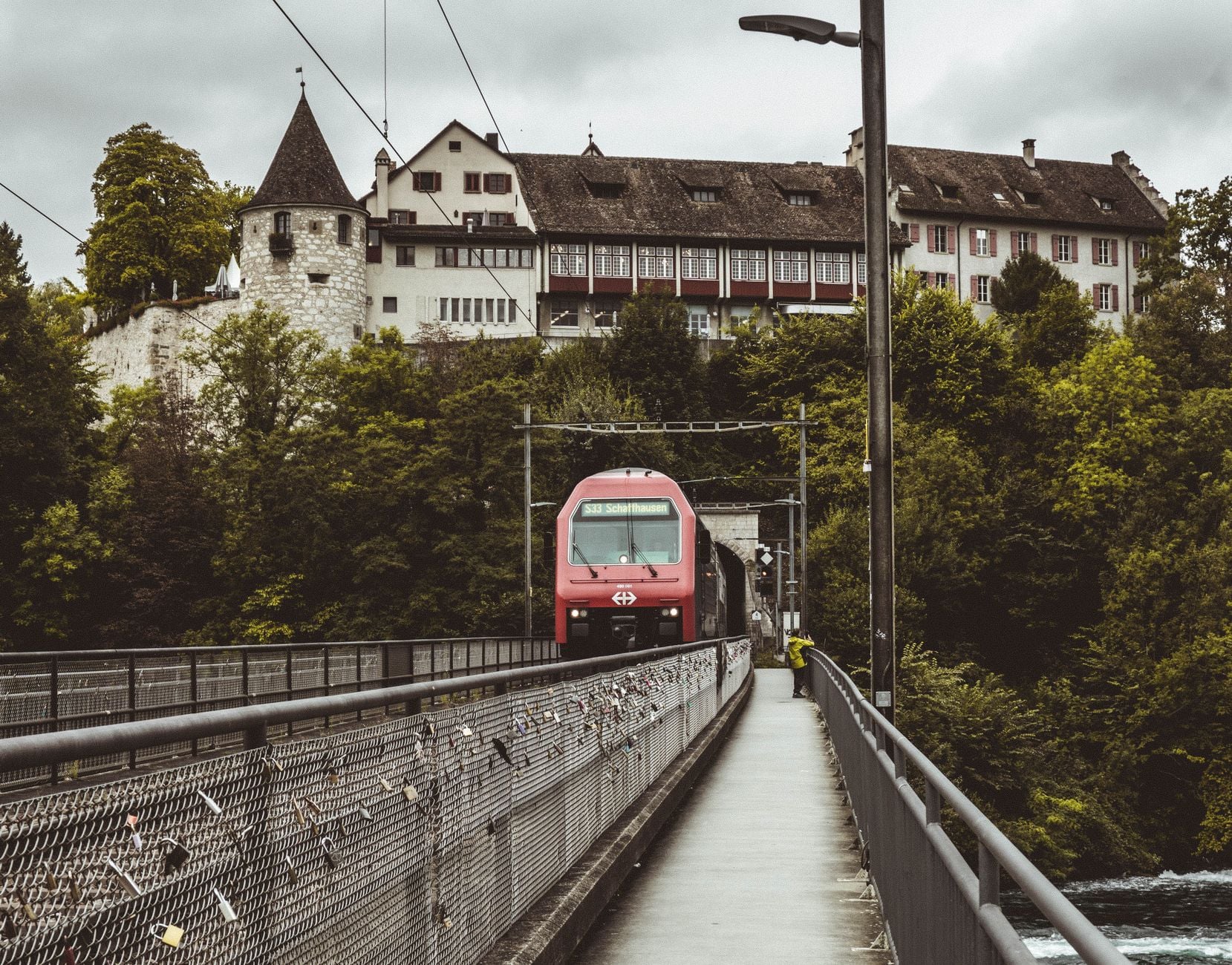
Even routes between major cities deliver unexpected rewards. The Basel-Zurich line passes the Rhine gorge where cliffs dwarf the river flowing below, then opens into agricultural regions revealing how landscape diversity compresses into small distances. SBB high-speed trains connect major cities efficiently, but slower regional services on connecting routes offer superior scenery for travelers with flexible schedules. Day passes letting you ride all regional trains unlock exploration impossible by car, where parking concerns trump wandering impulse. Understanding that scenic routes exist between major cities prevents limiting your journey to famous alpine trains—hidden gems deliver equally memorable experiences. Regional routes often pass small stations where you can alight and explore villages never mentioned in guidebooks.
Planning Your Alpine Train Adventure
- SBB Swiss Travel Pass covers unlimited train journeys and boat excursions nationwide
- Mountain trains require reservations during peak season—book through SBB in advance
- Regional passes focus on specific areas like the Jungfrau region or Glacier Express routes
- Seat reservations guarantee window views on scenic routes where competition for seating peaks
- Night trains between Switzerland and neighboring countries combine transportation with accommodation costs
Switzerland’s train network represents a commitment to connecting all regions through infrastructure that prioritizes beauty alongside efficiency. SBB makes discovering alpine landscapes as simple as boarding a train and letting scenery command your attention.