


Generic training programs ignore a fundamental reality—every athlete possesses unique body dimensions, movement patterns, and biomechanical characteristics that demand individualized training approaches. Cookie-cutter programs force athletes into standardized frameworks regardless of their actual capabilities and limitations, creating frustration and limiting performance potential. Your body’s specific dimensions, proportions, and biomechanical patterns deserve equipment and training strategies customized to leverage your unique advantages while supporting your specific challenges. Sportler provides comprehensive equipment selections supporting truly personalized athletic development where your training adapts to your body rather than forcing your body to adapt to generic programs.
Understanding Your Unique Biomechanical Profile
Biomechanics—how your specific body moves through space—determines both your athletic potential and your injury vulnerability. Some athletes naturally possess excellent ankle mobility while lacking hip flexibility; others show opposite patterns. Some possess naturally stable knees yet struggle with shoulder mobility. Understanding your specific biomechanical profile becomes the foundation for intelligent equipment selection. Video analysis and movement screening reveal your actual movement patterns, distinguishing between what generic programs assume and what your body actually does.
Sportler selections accommodate diverse biomechanical profiles—rather than assuming everyone moves identically, their equipment spans options addressing different mobility patterns, stability requirements, and movement compensations. This diversity enables selection aligned with your actual biomechanics rather than your assumed similarity to other athletes.
Foot Type and Footwear Customization
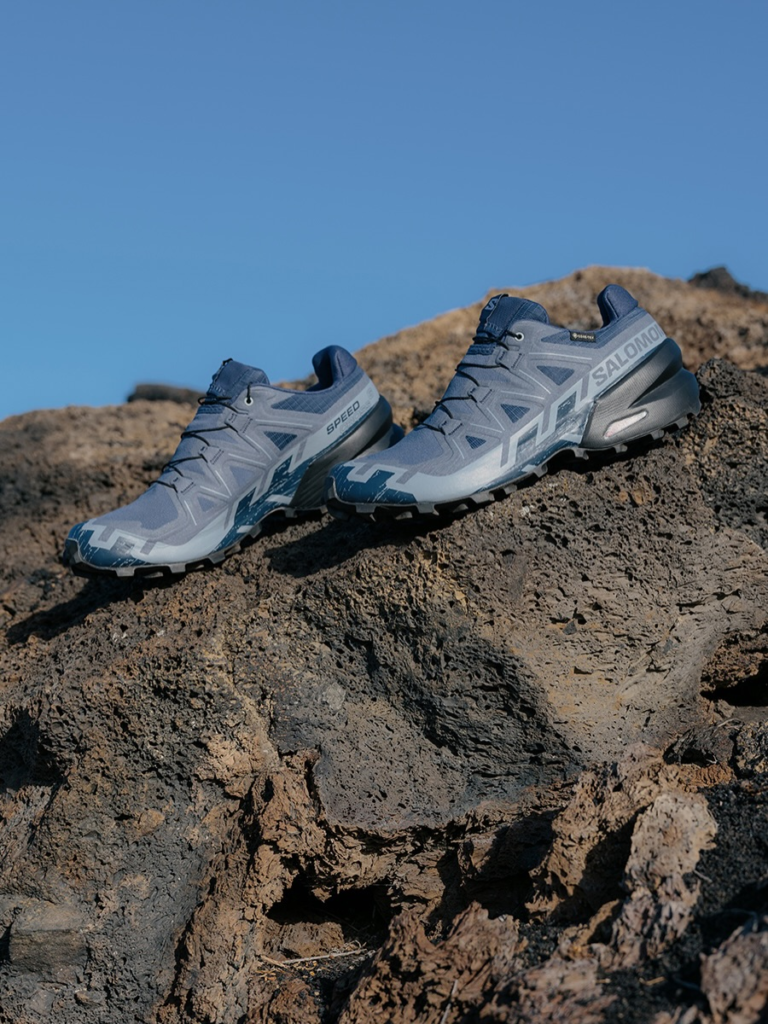
Your foot structure—arch height, pronation tendency, overall dimensions—determines appropriate footwear more profoundly than your favorite brand or shoe appearance. Neutral feet require different support than overpronating or supinating feet. High-arched feet need different cushioning than flat feet. Heel-to-toe proportions influence appropriate shoe geometry. Many athletes waste money purchasing beautiful shoes that undermine their biomechanics because they ignored fundamental fit requirements.
Sportler extensive footwear inventory accommodates diverse foot types—rather than stocking only popular models that work wonderfully for some athletes and terribly for others, comprehensive selection ensures finding shoes matching your foot structure. This diversity prevents the common frustration where popular shoes create blisters and discomfort for athletes whose feet don’t match the shoe’s assumptions.
Lower Body Alignment and Movement Efficiency
Lower body alignment during athletic movements—knee positioning relative to ankle and hip, foot contact patterns, weight distribution—determines movement efficiency and injury risk. Video analysis reveals your actual movement patterns: whether your knees collapse inward or remain aligned over your feet, whether you land heel-first or forefoot-first, whether weight distribution emphasizes inside or outside foot edges. This analysis informs equipment selection addressing your specific alignment needs.
Sportler alignment-supporting equipment ranges from footwear geometry correcting foot contact patterns to insoles repositioning foot pressure distribution to compression sleeves cueing proper knee alignment. This equipment integration enables progressive improvement in movement alignment as you train with tools reinforcing optimal patterns.
Strength Imbalances and Asymmetry Correction
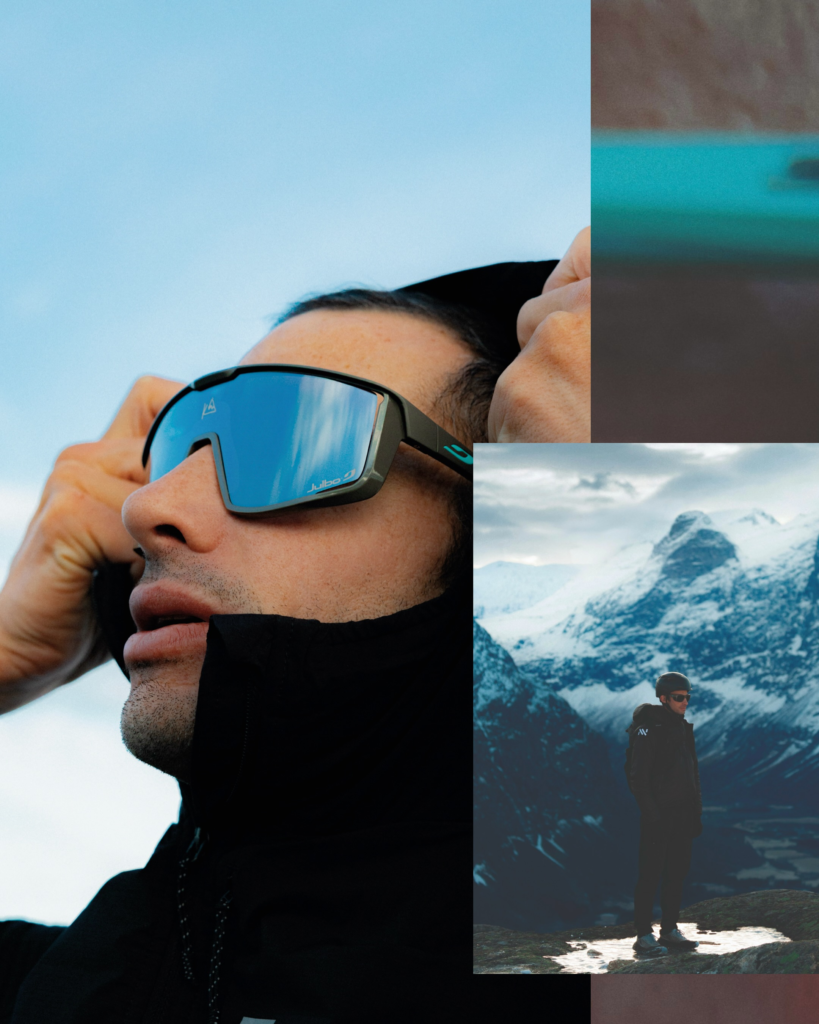
Most athletes possess notable strength imbalances—stronger on one leg, more powerful arms than legs, or stronger pushing muscles than pulling muscles. These imbalances create inefficient movement and injury risk as some structures compensate for others’ inadequacy. Equipment selection can emphasize weak areas, encouraging balanced development. Unilateral equipment—single-leg training tools, one-arm implements—reveals and addresses hidden imbalances invisible during bilateral training.
Sportler supports balanced athletic development through equipment enabling detection and correction of strength asymmetries. Rather than allowing imbalances to persist, targeted equipment use creates progressive balance that improves performance while reducing injury risk stemming from compensation patterns.
Range of Motion and Mobility Requirements
Your sport-specific demands determine essential mobility requirements—distance runners need excellent hip and ankle mobility while competitive swimmers require extraordinary shoulder flexibility. Equipment supporting mobility development becomes sport-specific rather than universal. Compression sleeves can assist mobility development; specialized stretching equipment addresses specific tightness; training variations emphasize range of motion development aligned with your sport’s actual requirements.
Sportler mobility-supporting equipment accommodates diverse sport-specific mobility needs rather than assuming identical requirements across athletes. This specialization enables targeted mobility development supporting your actual performance demands.
Environmental and Contextual Adaptation
Training environments—indoor versus outdoor, heated versus cool, sea-level versus altitude—create different performance demands requiring adaptive equipment approaches. Cold-weather training demands different apparel and support systems than summer training. High-altitude adaptation requires different recovery approaches than sea-level training. Urban training on pavement demands different footwear than trail training on variable surfaces. Personalized training requires environmental awareness and adaptive equipment strategies.
Sportler comprehensive selections enable environmental adaptation—rather than forcing single equipment approaches regardless of training context, diverse options accommodate varied training environments and seasonal changes. This flexibility supports consistent training quality across changing conditions.
Progressive Adaptation and Equipment Evolution
As your training progresses and your body adapts, your equipment needs evolve alongside your development. Equipment that suited you as a novice may become inadequate as your strength and speed increase. Supporting your athletic development requires willingness to reassess equipment needs periodically, replacing items that no longer match your current capabilities and adding new tools addressing emerging performance demands.
Sportler approach treats equipment selection as evolving process rather than one-time purchase. As you develop athletically, their comprehensive selections enable equipment updates aligned with your progressing capabilities, ensuring your gear supports your actual development rather than remaining static while you advance.
Personalization as Performance Advantage

Athletes accepting generic programs operate at disadvantage compared to those pursuing genuinely personalized training. When your equipment matches your unique biomechanics, your training program addresses your specific needs, and your progressions respect your individual development timeline, you optimize performance potential while reducing injury risk. This personalized approach transforms training from forcing yourself into generic frameworks into leveraging your unique characteristics as competitive advantage.
Sportler comprehensive approach to athletic development recognizes that true optimization requires personalization. Your body, biomechanics, and individual characteristics deserve equipment and training strategies honoring those specifics rather than forcing conformity to generic standards. This personalized philosophy transforms your athletic potential from theoretical possibility into practical achievement.

Luca Moretti is a global lifestyle writer with a passion for storytelling through travel, fashion, and urban exploration. Inspired by vibrant cities and timeless destinations, he creates content that reflects sophistication and curiosity. Luca’s work focuses on helping readers discover unique places, elevated experiences, and the art of living stylishly on the move.