





Spain welcomes millions of international travellers annually seeking beach relaxation, cultural exploration, and adventure. Self-driving enables flexible exploration fitting your pace and interests. Understanding Spain’s car rental landscape, regulations, costs, and logistics prevents frustration enabling enjoyable travels. Professional rental services simplify the process from booking through return. Navigating Spanish roads confidently requires knowledge and preparation.
Spanish car rental market includes numerous operators ranging from international chains to local companies. Diverse services accommodate varied budgets and requirements. Pre-booking prevents surprises and locks in pricing. Airport pickups streamline arrival logistics. Expert guidance helps selecting appropriate vehicles and understanding regulations.
Strategic planning transforms car rental from necessary logistics into seamless component of Spanish adventures. Knowing regulations, understanding costs, selecting appropriate vehicles, and planning routes enables focusing on experiences rather than logistics.

Spanish Rental Requirements and Documentation
International visitors require valid driving licenses from their home country. International driving permits provide additional documentation though not mandatory. Passport serves as identity verification. Credit cards secure deposits. Most companies accept major cards. Minimum age requirements typically span 21-25 years. Drivers under 25 incur young driver surcharges.
Booking and Pre-Rental Planning

Online booking platforms enable comparing prices and selecting vehicles. Pre-booking provides pricing certainty and vehicle confirmation. Cancellation policies vary so understand terms before committing. Multiple booking systems enable finding competitive pricing. Early booking captures better rates than airport counter purchases.
Insurance decisions influence final costs significantly. Assess personal coverage through credit cards or home policies before accepting rental company insurance. Understanding coverage prevents redundant payment.
Vehicle Categories and Pricing
Economy vehicles cost €15-30 daily. Mid-size vehicles range €25-50 daily. SUVs span €40-80 daily. Premium vehicles cost €80+ daily. Fuel type affects pricing with diesel sometimes cheaper for long distances. Automatic transmissions cost more than manuals. Strategic selection balances needs with budget.

Pickup Procedures and Vehicle Inspection
Rental counter procedures streamline vehicle delivery. Staff verify reservations and collect payment. Insurance decisions finalise. Vehicle walk-arounds document existing damage. Inspect vehicles thoroughly noting any scratches, dents, or mechanical issues. Photographic documentation prevents disputes over pre-existing damage. This process typically requires 15-20 minutes.
Fuel policy determines return requirements. Some require returning with full tanks. Others include fuel in pricing. Clarifying policies prevents unexpected charges upon return.
Spanish Driving Regulations and Fines
Spanish traffic laws differ from many countries. Speed limits: 120 km/h motorways, 100 km/h dual carriageways, 90 km/h regional roads, 50 km/h urban areas. Seatbelts mandatory. Headlights required when driving. Mobile phone usage prohibited. Traffic police enforce regulations through substantial fines. Speed cameras catch violations. Rental companies sometimes pass automated fines to drivers.
Alcohol limits are strict. Blood alcohol 0.05% maximum. Breathalysers test drivers at checkpoints. Penalties include substantial fines and licence suspension. Driving safety depends on following regulations.
Motorway Tolls and Fuel
Spanish motorways charge tolls varying by distance. Tag systems enable automatic payment. Manual tollbooths accept cash and cards. Budget tolls for extended journeys. Fuel costs approximately €1.30-1.50 per litre. Fuel stations cluster along motorways and in cities. Quality petrol and diesel prevent mechanical problems.
Navigation and Route Planning
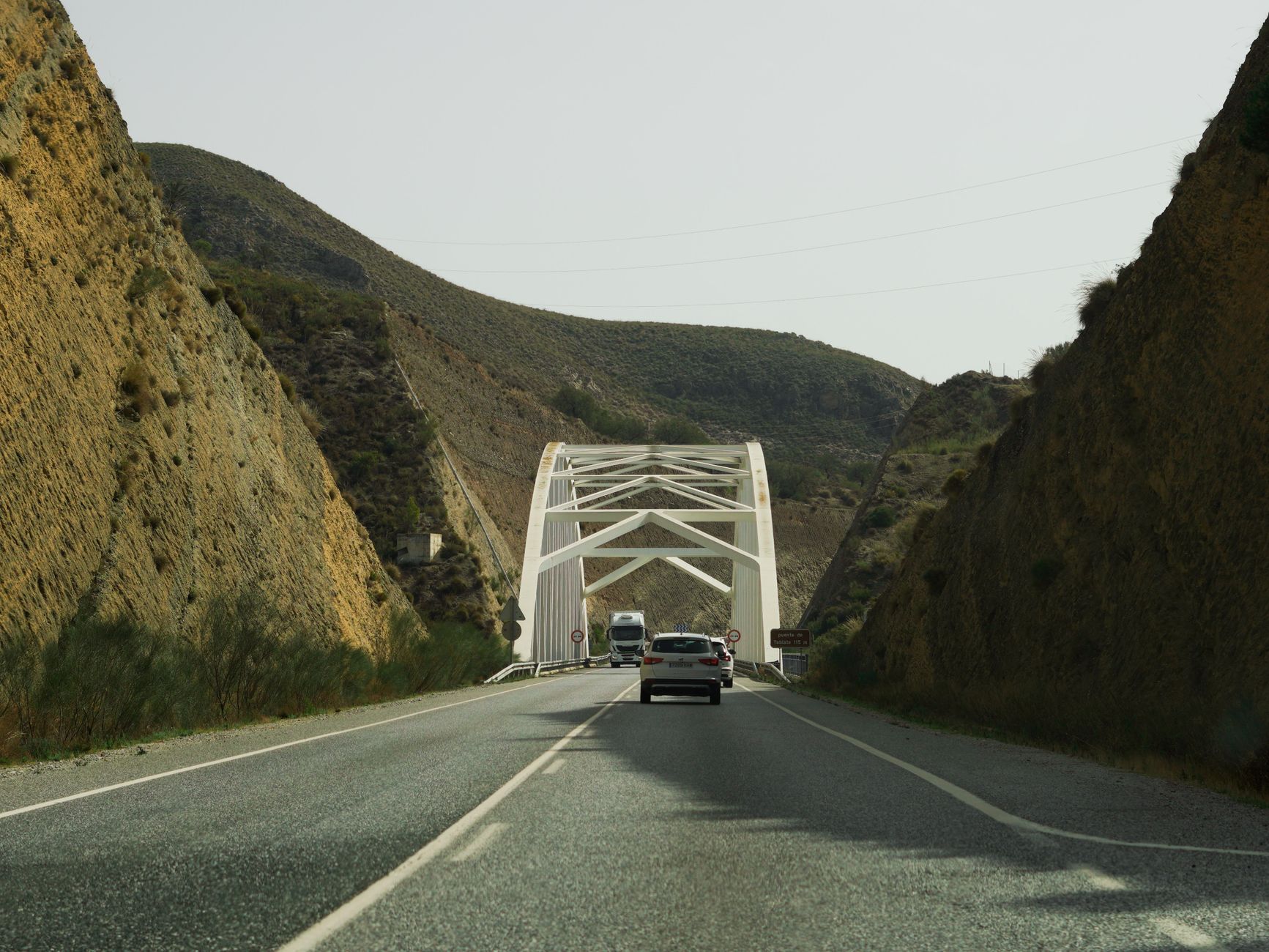
GPS navigation simplifies finding routes in unfamiliar territory. Rental vehicles typically include GPS systems. Mobile phone navigation applications provide alternatives. Map applications help planning routes before travelling. Route flexibility enables discovering unexpected attractions bypassing main highways.

Parking in Cities and Attractions
Urban parking challenges frustrate many travellers. Compact vehicles navigate tight spaces easily. Historic city centres sometimes prohibit vehicles entirely. Underground parking garages provide alternatives. Parking costs vary from free in rural areas to €20+ daily in major cities. Understanding parking options prevents frustration.
Emergency Assistance and Breakdown Coverage

Rental companies provide 24-hour emergency support. Mechanical breakdowns receive roadside assistance. Phone numbers provided enable reaching support anytime. Insurance coverage typically includes mechanical assistance. Understanding available support provides security.
Return Procedures and Final Costs
Return procedures follow rental counter pickup patterns. Drive vehicle to facility. Staff inspect for damage. Compare inspection against initial documentation. Sign final paperwork. Receive deposit refund. This process typically requires 15 minutes. Earlier returns during business hours process faster than late-night returns.
Seasonal Considerations
Summer brings crowds and heat requiring early bookings. Winter provides solitude though rain increases. Spring and autumn offer ideal weather and moderate crowds. Vehicle availability varies seasonally. Advanced booking secures preferred vehicles.
Navigate Spain Confidently
Spanish car rental transforms travel from dependent on tours into independent exploration. Professional services simplify the process from booking through return. Understanding regulations, knowing costs, selecting appropriate vehicles, and planning routes enables focusing on Spanish discoveries. Book your rental now beginning your Spanish adventure. Your journey awaits.