




Preparing for a new baby involves selecting countless products, making decisions about what’s truly essential versus what represents unnecessary spending. First-time parents often feel overwhelmed by marketing claims and conflicting advice about which items matter most. Understanding core essentials—products addressing fundamental needs without excessive features or price—helps build practical nurseries and diaper bags. Smart selection focuses on quality, safety, and versatility rather than quantity or brand names. Many crucial items serve multiple purposes across months or years, justifying investment in durable, well-designed products. Comprehensive baby essentials help parents make informed choices about products genuinely supporting infant health and family wellbeing.
Feeding Essentials Beyond Nutrition
Whether breastfeeding or formula feeding, parents need items supporting fed baby success. Nursing mothers benefit from supportive pillows, nipple care products, and comfortable clothing designed for discreet feeding. Formula feeders need bottles, sterilisers, and warmers if desired. Beyond feeding itself, bibs and cloths catch inevitable spills protecting clothing and furniture. High chairs for older babies need safety features and easy cleaning. Burp cloths perform double duty as feeding covers and general spill management. Storage containers keep prepared bottles organised in refrigerators. Careful product selection ensures feeding times remain efficient and pleasant rather than creating stress. Quality feeding items last across multiple children or resell for reasonable value.
Diaper Area Care and Management

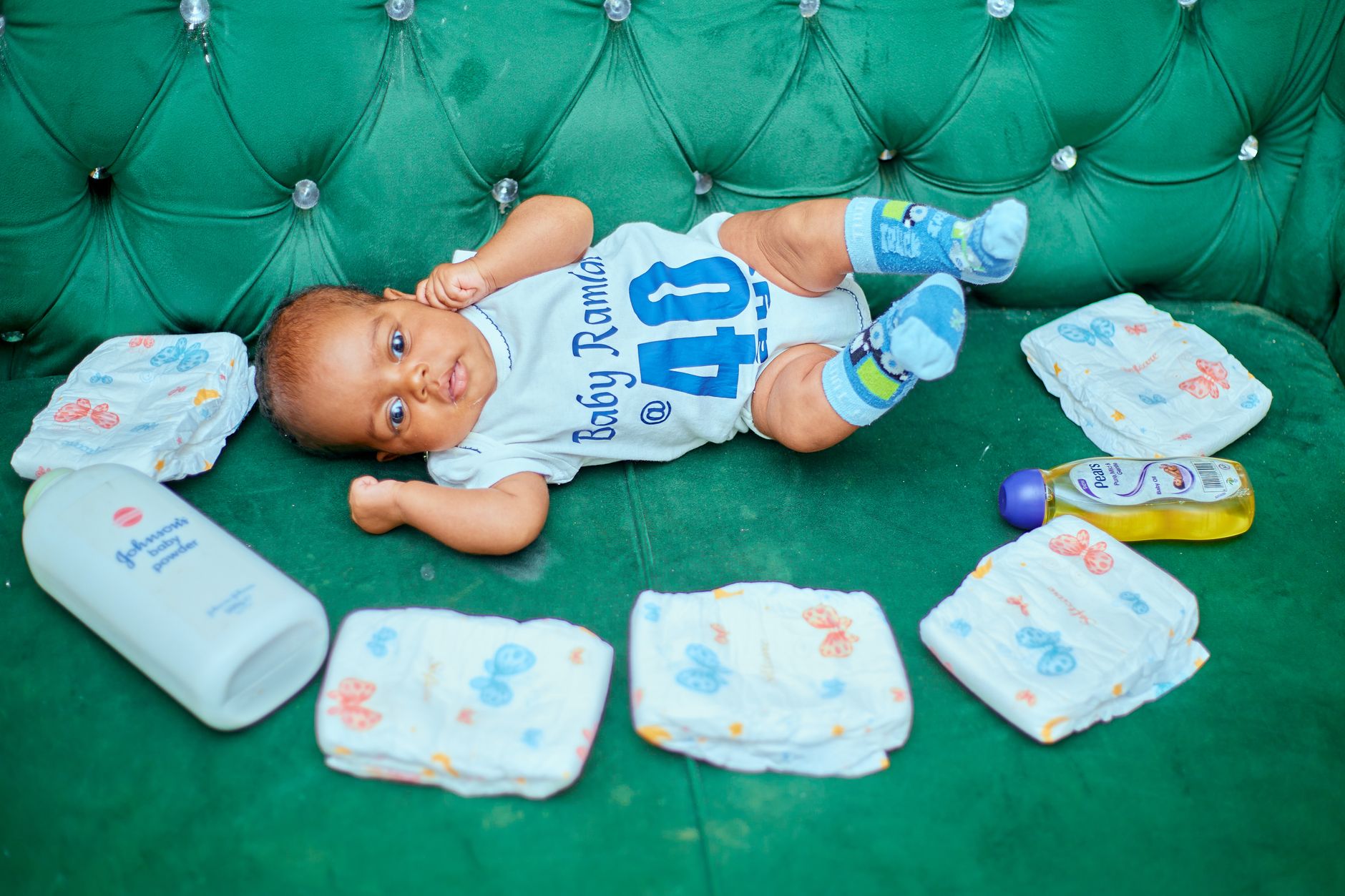
Diaper changing occurs dozens of times daily, making efficiency and comfort crucial. Changing tables or pads provide safe, ergonomic spaces preventing back strain while keeping babies secure. Ample nearby storage prevents mid-change scrambling for supplies. Diapers represent significant monthly expenses; comparing brands helps find acceptable options balancing cost and performance. Diaper pails contain odours and make disposal convenient. Disposable or cloth options each have merits; many families use combinations based on situations. Wipe warmers provide comfort during cold months though not essential. Diaper cream prevents and treats nappy rash, protecting delicate skin. Understanding your diaper philosophy early reduces waste and expense compared to discovering preferences after purchases.
Sleep Safety and Comfort
Safe sleep environments protect against sudden infant death syndrome (SIDS) while supporting healthy development. Firm mattresses in safety-certified cribs provide appropriate support. Breathable mattress protectors shield against moisture while allowing air circulation. Fitted sheets designed for specific mattresses prevent covering baby’s face. Sleep sacks eliminate need for loose blankets that pose suffocation risks. Room temperature monitoring helps maintain comfort without excessive bedding. White noise machines can soothe babies while masking household sounds. Blackout curtains support sleep by controlling light exposure. Some babies sleep better in parents’ rooms—safe bed-sharing options exist though guidance varies about when separate rooms become appropriate. Sleep solutions depend on family preferences and circumstances.
Temperature Regulation and Clothing
Babies regulate temperature poorly, requiring proper clothing and bedding. Layering allows adjustment as conditions change. Mittens prevent accidental self-scratching while protecting tender newborn skin. Hats help retain heat, particularly important for premature babies. Sleepsuits with feet prevent heat loss while eliminating sock loss—a constant frustration for parents. Cardigans and light layers adapt to temperature fluctuations without bulky jackets. Avoid clothing with loose buttons or decorations presenting choking hazards. Natural fibres like cotton and bamboo breathe better than synthetics. Proper sizing ensures comfort; oversized clothing creates entanglement risks while tight clothing restricts movement and causes irritation.
Transport and Mobility Solutions
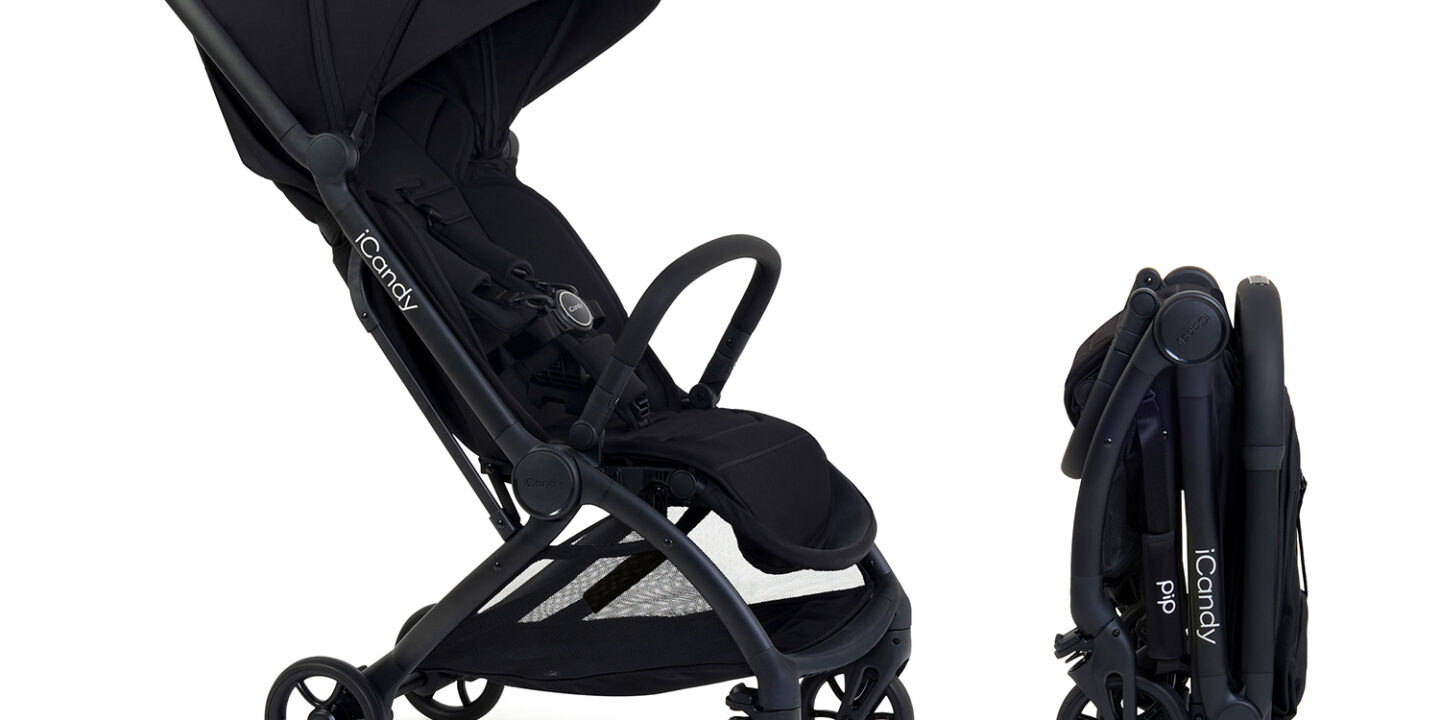
Safe car seats represent non-negotiable investments protecting against the leading cause of childhood injury. Newborns require rear-facing infant car seats; transitioning to convertible seats happens around age one as babies grow. Proper installation matters enormously—many parents benefit from professional installation verification. Strollers range from lightweight umbrella styles to feature-rich systems. Choosing depends on lifestyle, climate, and storage space. Carriers and wraps enable hands-free transport while supporting bonding; babywearing proves invaluable for fussy babies. Jogging strollers suit active parents. Adapters allow mixing compatible components—infant seats attach to stroller frames, creating convenient systems. Testing options before purchasing helps identify what works for your family and lifestyle.
Nursery Essentials and Organization

Dedicated changing and dressing areas simplify daily routines. Dressers hold clothing; consider safety features preventing tip-overs. Baskets and bins organize items by type or size. Good lighting prevents mistakes during late-night changes. Storage solutions keep frequently-used items accessible while maintaining safety by securing cords and removing hazards. Some families prefer minimal, calm aesthetics while others enjoy cheerful colours and patterns. Personal preference matters more than following design trends. Remember nurseries serve parental sanity during long nights awake with babies; functional, peaceful spaces support everyone’s wellbeing.
Bathing and Hygiene Products
Gentle, fragrance-free cleansers prevent skin irritation. Soft washcloths and hooded towels make bathing efficient. Infant bath tubs with built-in support ease anxiety for inexperienced parents. Bath thermometers ensure safe water temperature. Nail care requires fine-tipped scissors or electric files preventing accidental cuts. Gentle hairbrushes help with cradle cap management. Tooth and gum care begins early with soft brushes and water. Nasal saline drops help clear congestion without harsh chemicals. All hygiene products should suit sensitive baby skin, avoiding adult products.
Health Monitoring and Safety
Reliable thermometers allow accurate fever assessment. Humidifiers ease congestion and coughing. First aid supplies address common minor injuries. Babyproofing supplies—outlet covers, cabinet locks, corner guards—prevent injuries as mobility increases. Monitor systems (audio or video) allow checking on sleeping babies. Safety gates prevent access to stairs and hazardous areas. Smoke and carbon monoxide detectors protect entire families. These items seem expensive until preventing one injury justifies every precaution.
Creating Your Essentials List
Building essential supplies involves researching options, consulting experienced parents, and honestly assessing your needs and preferences. Avoid purchasing entire Pinterest-worthy nurseries; focus on functional items supporting daily routines. Remember returning or reselling unused items costs time and effort; thoughtful selection prevents waste. Quality baby essentials support healthy development while simplifying parental life, allowing focus on bonding and enjoyment rather than logistical stress.

Aria Laurent is a travel and style enthusiast who captures the essence of glamorous journeys around the world. Her writing blends luxury experiences with authentic cultural moments, offering readers a refined perspective on modern travel. From boutique hotels to hidden gems, Aria shares curated insights for those who seek beauty, elegance, and adventure in every destination.