





Volunteering transforms individual compassion into collective action, enabling communities to address challenges that governments and markets often overlook. Volunteers bring diverse skills, perspectives, and energy to organisations addressing poverty, disaster recovery, education gaps, and health crises. Beyond tangible contributions—hours worked, tasks completed—volunteering creates psychological benefits for volunteers themselves while building social cohesion across communities. Understanding volunteer motivations, barriers, and impact guides creating environments where volunteering flourishes. Organisations maximising volunteer engagement develop reputation for efficient operations while deepening community connection and trust. Community-driven humanitarian initiatives recognise that lasting change emerges from engaged, committed individuals working alongside affected populations.
Who Volunteers and Why
Volunteer profiles span age, background, profession, and experience. Young people explore career interests while contributing. Retirees apply accumulated expertise. Professionals donate time beyond regular employment. Parents involve children in service-learning. Students build résumés while gaining experience. Motivations vary but typically blend altruism with personal benefit—helping others while developing skills, expanding networks, or exploring new fields. Service-motivated individuals seek meaningful contribution. Career-focused volunteers build professional experience. Purpose-driven individuals seek alignment with personal values. Community members want involvement in issues affecting their surroundings. Effective organisations understand these varying motivations and structure opportunities accommodating diverse volunteer needs and schedules.
Diverse Volunteer Roles
Volunteering encompasses extraordinary range of activities beyond common stereotypes. Professional volunteers—doctors, engineers, lawyers—provide expertise otherwise unaffordable. Administrative volunteers manage databases, scheduling, and documentation. Fundraising volunteers identify supporters and mobilise resources. Advocacy volunteers educate communities and mobilise political support. Field volunteers provide direct service—teaching, medical care, construction, food distribution. Research volunteers conduct programme evaluation and evidence-gathering. Board volunteers provide governance and strategic direction. Community volunteers teach traditional knowledge and maintain cultural continuity. Each role contributes distinctly to organisational effectiveness. Understanding diverse capability enables matching volunteers to roles maximising their contribution.
Building Volunteer Engagement
Effective volunteer programmes clarify expectations, provide adequate training, and recognise contributions. Clear role descriptions prevent confusion about responsibilities. Orientation ensures volunteers understand organisational mission and context. Practical training prepares volunteers for specific roles. Mentorship provides guidance and resolves challenges. Regular feedback celebrates successes and identifies improvement areas. Recognition—formal and informal—sustains engagement and motivation. Creating volunteer community builds friendships and belonging. Addressing concerns promptly prevents frustration and dropout. Organisations demonstrating investment in volunteer success retain engaged, motivated participants.
Volunteer Impact in Emergency Response
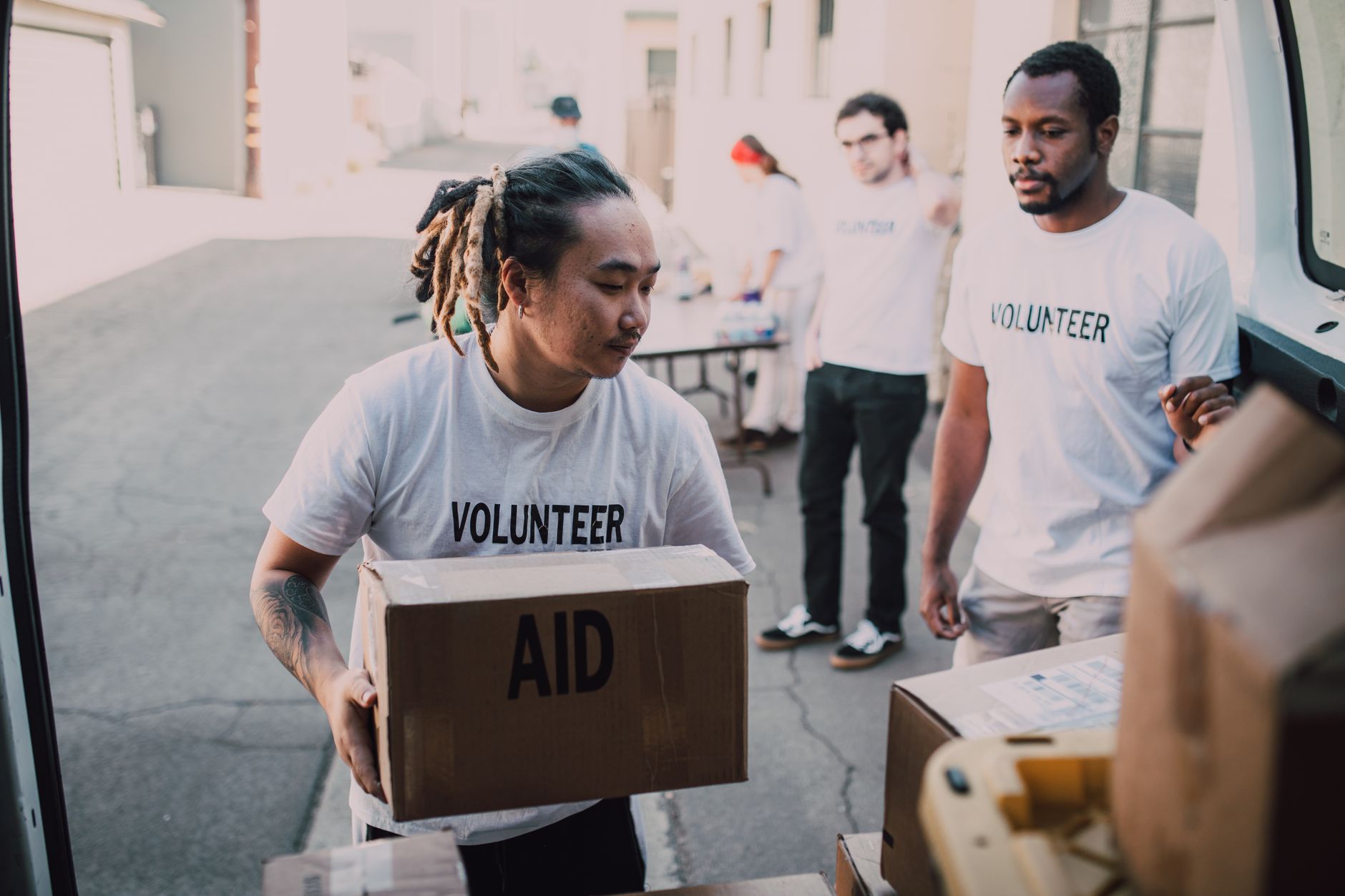
Disasters overwhelm professional responders, creating urgent need for volunteer support. Trained volunteers help rescue trapped survivors. Relief volunteers distribute supplies and provide initial support. Mental health first aid volunteers support traumatised populations. Reconstruction volunteers rebuild destroyed infrastructure. Disaster response training prepares volunteers for rapid deployment. Pre-positioned volunteers in disaster-prone areas enable rapid response. Volunteer networks mobilise quickly, accessing local knowledge and resources. Community volunteers understand local context, culture, and relationships essential for effective response. Disaster response volunteer networks strengthen community resilience while enabling effective emergency response.
Education and Skill-Building Through Volunteering
Volunteering educates volunteers about issues, communities, and effective solutions. Field experience confronts stereotypes and builds empathy across differences. Technical volunteers transfer expertise—medical knowledge, agricultural methods, construction techniques. Teaching volunteers educate both students and fellow volunteers. Leadership development through volunteer roles builds future community leaders. Cross-cultural learning occurs when volunteers work in unfamiliar communities. Understanding systems change through volunteer involvement in advocacy and policy work. Young volunteers gain career experience and professional networks. Adults transition into new careers through volunteer experience building relevant skills.
Volunteer Wellbeing and Support
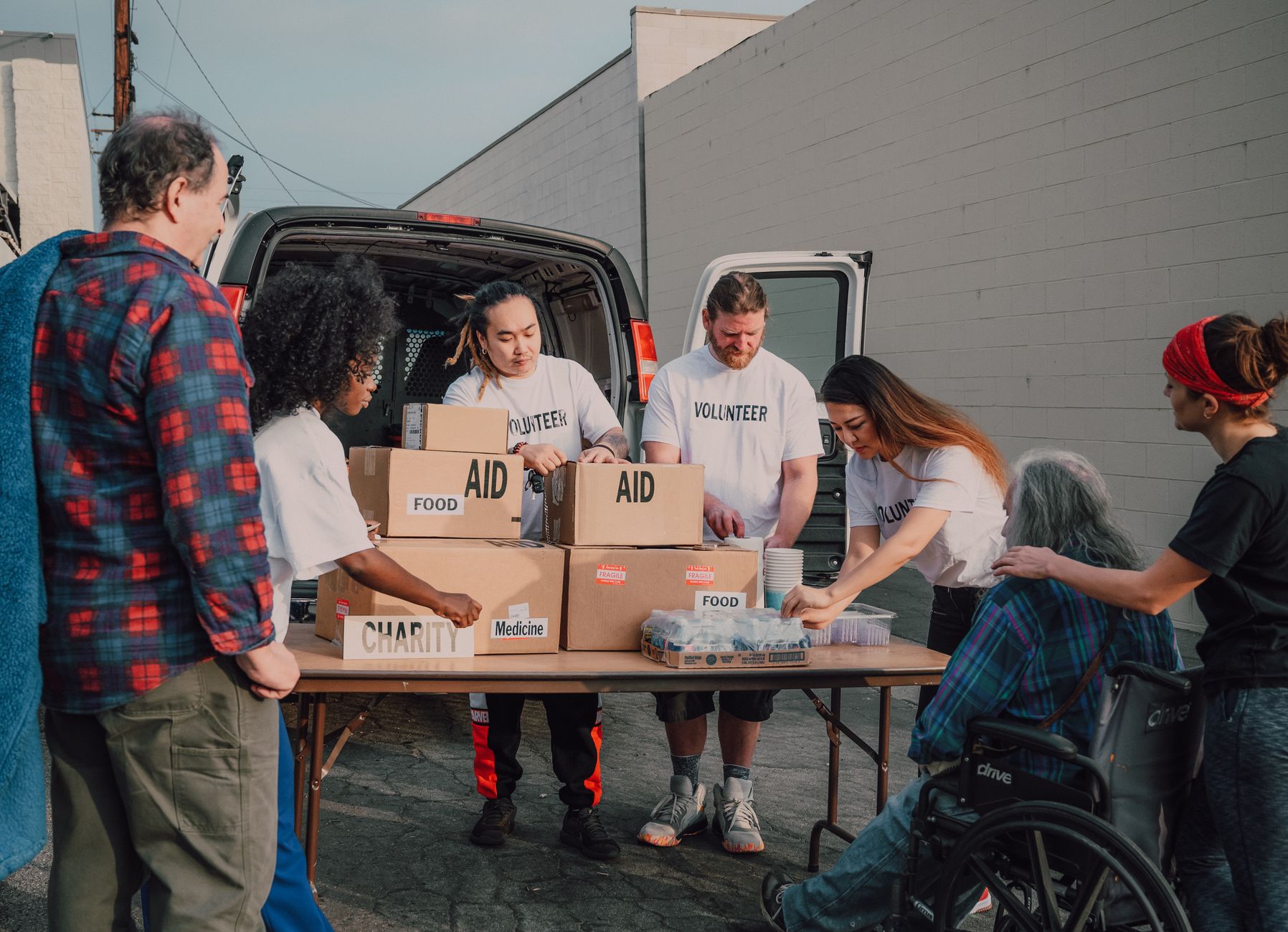
Meaningful work builds wellbeing, though volunteering also involves challenges requiring support. Secondary trauma affects responders witnessing suffering. Cultural isolation affects international volunteers. Burnout develops when volunteer roles become overwhelming. Inadequate support or recognition demotivate engagement. Effective programmes provide mental health support, recognising volunteer wellbeing matters. Debriefing sessions process difficult experiences. Community connection prevents isolation. Boundaries clarification prevents overextension. Adequate rest prevents burnout. Celebrating impact sustains hope despite ongoing challenges. Demonstrating genuine care for volunteer wellbeing creates trust and commitment.
Mobilising Community Around Shared Purpose
Volunteering creates unique power to mobilise diverse community members around shared purpose. Neighbour-helping-neighbour models exceed formal services. Community volunteers understand local culture and relationships. Grassroots engagement builds local ownership of solutions. Volunteer-led initiatives feel authentic and relevant compared to external interventions. Community volunteers model care, enabling others to engage. Service experiences build compassion and commitment to systemic change. Organisations supporting volunteer leadership develop sustainable, community-rooted programmes. Recognising community members as agents of change rather than passive beneficiaries builds dignity and empowerment.
Global Volunteering and Cross-Cultural Exchange
International volunteering expands perspectives while strengthening global solidarity. Volunteers from different countries work together toward shared goals. Cross-cultural learning reduces stereotypes and builds genuine friendships. International volunteers bring diverse expertise and perspectives. Local volunteers teach international colleagues about context and culture. Mutual learning prevents saviour mentality while building equal partnership. Cultural exchange enriches all participants. Building international relationships creates networks for ongoing collaboration. However, ensuring international volunteering benefits communities rather than creating dependency or cultural disruption requires careful planning and humility.
Sustaining Volunteer Commitment
Rapid volunteer turnover undermines organisational continuity and programme quality. Building cultures where volunteering feels meaningful sustains engagement. Clear progression—increased responsibility, leadership opportunities—retains experienced volunteers. Communities supporting volunteer friendships prevent isolation. Celebrating impact keeps motivation high. Addressing burnout through workload management enables continued service. Training advanced volunteers as coordinators and mentors develops leadership pipeline. Recognising volunteers’ diverse needs and life circumstances accommodates changing capacity. Creating space for volunteers to grow and develop maintains engagement.
Your Potential as a Volunteer
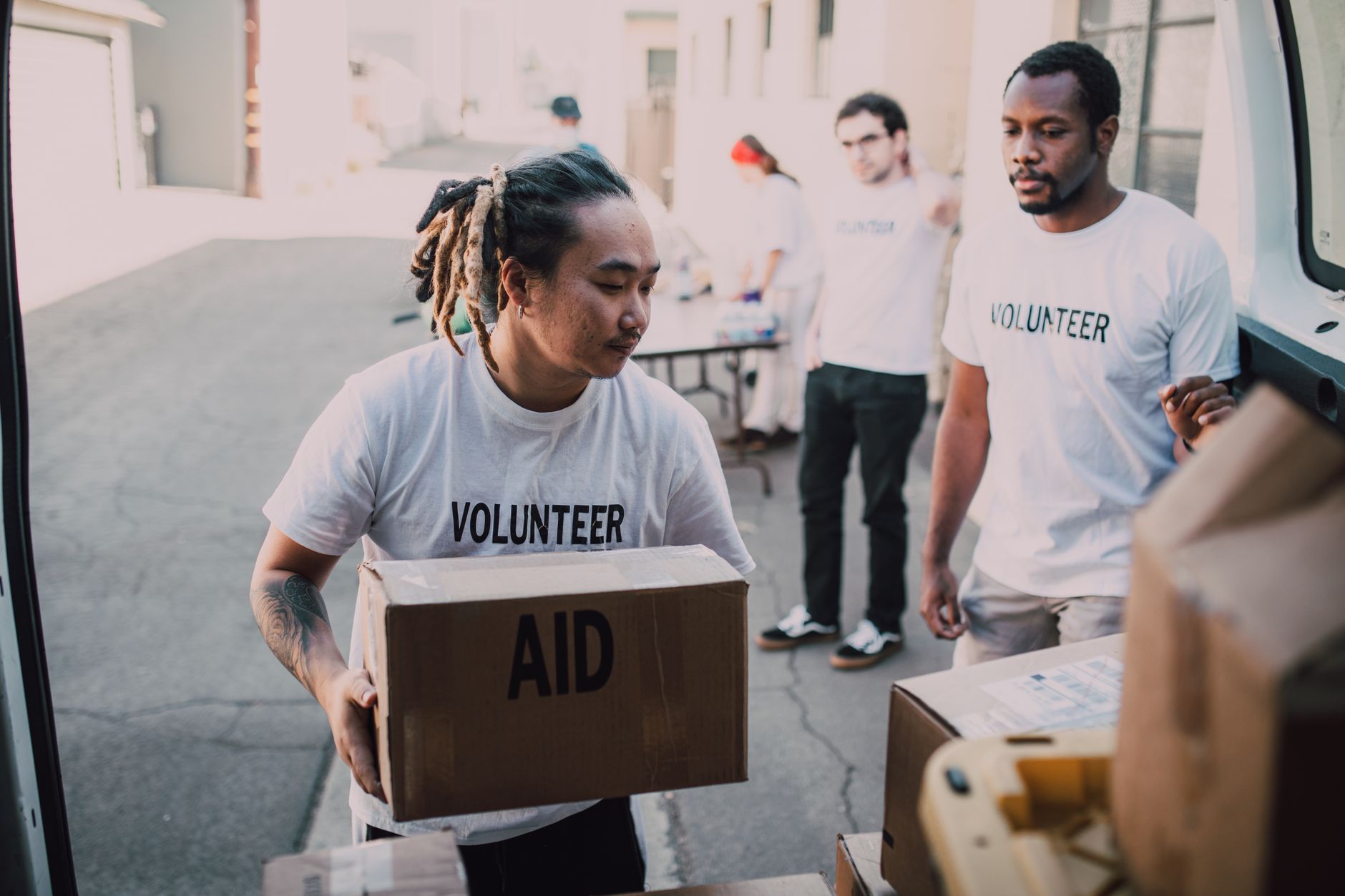
Meaningful change emerges from individuals choosing to serve. Your unique combination of skills, experience, and passion matters. Volunteer opportunities await across diverse areas and commitment levels. Whether you have hours or weeks, professional expertise or willingness to learn, you can contribute meaningfully to communities facing challenges. Volunteering enriches your life while creating positive impact in others’. Exploring volunteer opportunities begins your journey toward meaningful service and genuine community connection.

Luca Moretti is a global lifestyle writer with a passion for storytelling through travel, fashion, and urban exploration. Inspired by vibrant cities and timeless destinations, he creates content that reflects sophistication and curiosity. Luca’s work focuses on helping readers discover unique places, elevated experiences, and the art of living stylishly on the move.