




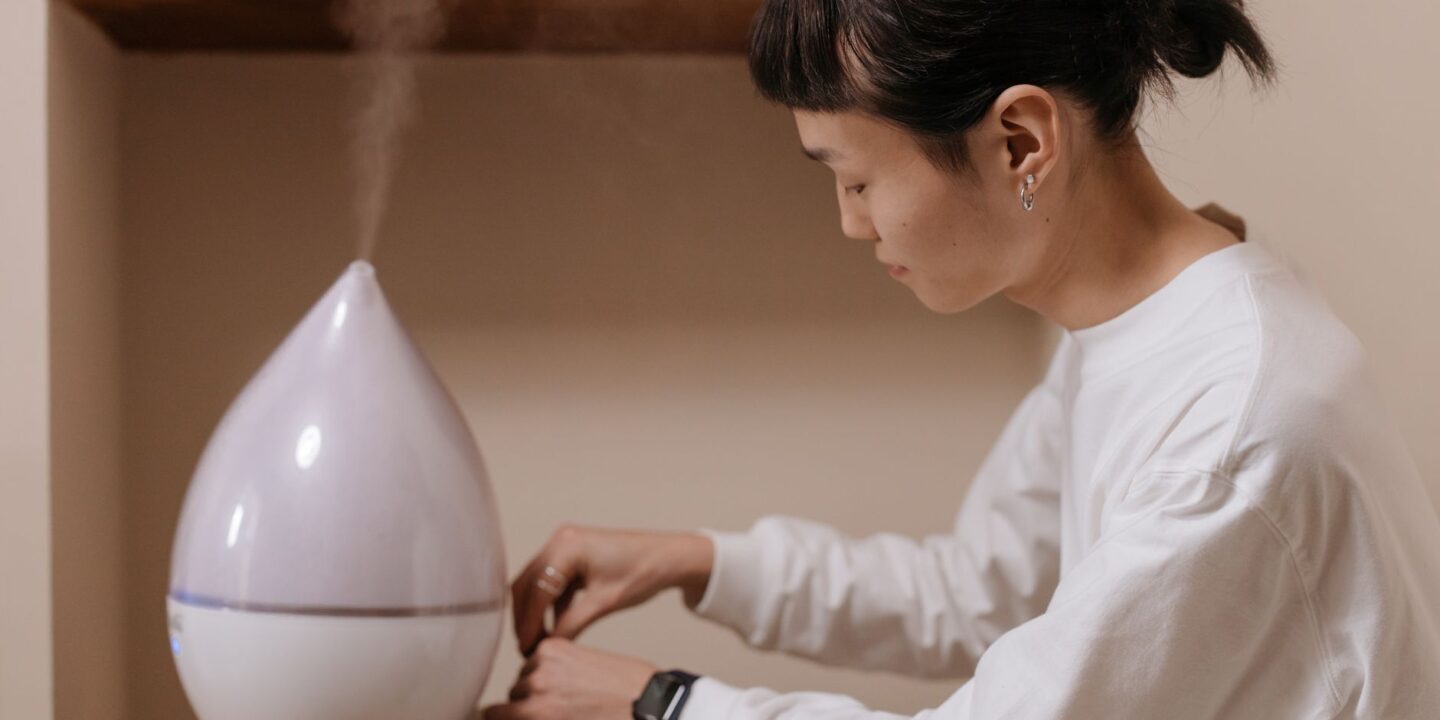
The air we breathe indoors significantly impacts respiratory health, cognitive function, sleep quality, and overall wellbeing, yet many people overlook indoor air quality despite spending most time inside. Indoor air often contains higher pollutant concentrations than outdoor air due to off-gassing from materials, dust, allergens, carbon dioxide accumulation, and moisture issues. Creating healthy indoor environments requires understanding air quality factors and implementing systematic improvements. Rather than single solutions, comprehensive approaches addressing multiple sources create genuinely healthy homes. Integrated air quality systems provide effective monitoring and control supporting healthy breathing spaces throughout homes.
Understanding Indoor Air Quality Components
Indoor air quality encompasses multiple interconnected factors beyond simple cleanliness. Particulate matter—dust, pollen, pet dander—causes respiratory issues and allergies. Carbon dioxide accumulation in poorly ventilated spaces reduces cognitive function and causes headaches. Volatile organic compounds (VOCs) off-gas from paints, furniture, and cleaning products, causing respiratory irritation. Moulds and their spores, thriving in excess humidity, trigger allergies and respiratory problems. Carbon monoxide, produced by combustion appliances, poses serious health risks. Humidity itself, when excessive or insufficient, creates conducive environments for allergens and respiratory irritation. Understanding these components guides targeted improvements.
Ventilation: The Foundation of Healthy Air
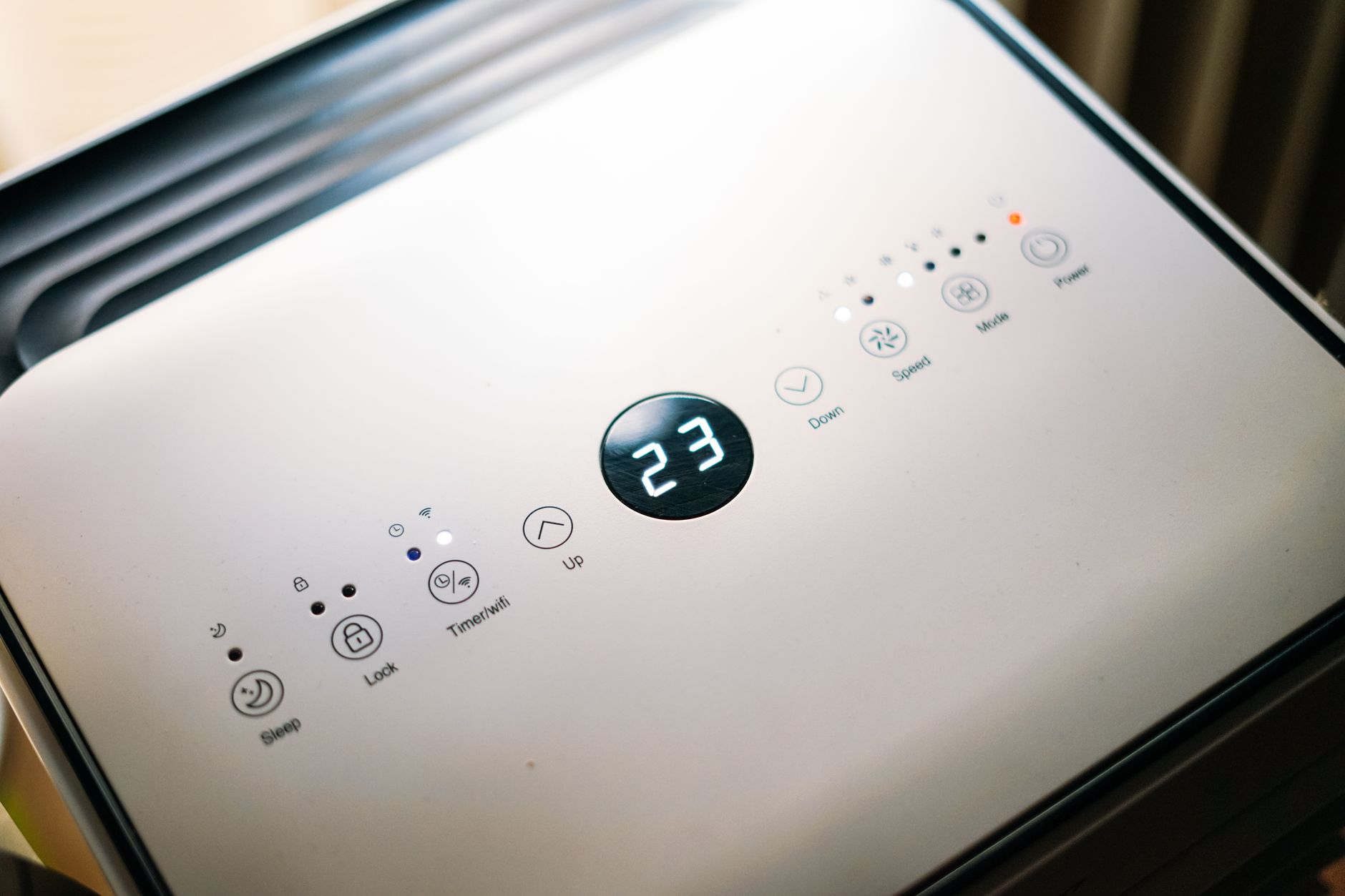
Continuous fresh air exchange provides the most fundamental air quality improvement, removing stale air and accumulated pollutants. Natural ventilation through windows provides free fresh air though weather-dependent. Exhaust fans in kitchens and bathrooms remove localised pollutants. Whole-house mechanical ventilation systems provide continuous fresh air exchange with heat recovery, maintaining energy efficiency while ensuring adequate air changes. HVAC systems distribute filtered air throughout homes. Inadequate ventilation allows pollutants to accumulate regardless of other measures. Assessing your home’s ventilation capacity guides determining whether mechanical systems require upgrading for optimal air quality.
Controlling Humidity for Cleaner Air
Humidity management directly supports air quality by preventing mould, dust mite proliferation, and allergen accumulation. Excessive humidity (above 60%) encourages mould growth and dust mites while high humidity itself causes respiratory irritation. Insufficient humidity (below 30%) causes dry airways, coughing, and vulnerability to respiratory infections. Maintaining 30-50% relative humidity supports both respiratory health and allergen control. Dehumidifiers remove excess moisture in humid climates while humidifiers address dryness. Combined with proper ventilation, humidity control creates environments where both air quality and respiratory health improve measurably.
Filtration and Air Cleaning
HVAC filters remove particulate matter including dust, pollen, and pet dander, improving air quality systematically. Upgrading to MERV 13 or higher filters increases effectiveness, though air flow considerations matter. HEPA filters remove 99.97% of particles, though standalone HEPA units prove more practical than whole-house integration. Activated carbon filters remove odours and some VOCs. Air purifiers with multiple filter stages address various pollutants comprehensively. Regular filter changes maintain effectiveness—clogged filters reduce air flow and efficiency. Strategic placement of air purifiers in sleeping areas and living spaces maximises beneficial impact.
Reducing Pollution Sources
Eliminating pollution sources proves more effective than attempting to filter them away afterward. Low-VOC or zero-VOC paints, finishes, and furniture reduce chemical off-gassing significantly. Proper kitchen ventilation removes cooking pollutants and odours. Avoiding scented products, air fresheners, and fragranced cleaners eliminates unnecessary chemical exposures. Keeping humidity controlled prevents mould and dust mite proliferation. Using natural cleaning solutions reduces harmful chemical exposure. Addressing moisture problems eliminates moulds before they release spores. Source reduction combined with ventilation creates healthier homes than filtration alone.
CO2 Monitoring and Ventilation Adequacy
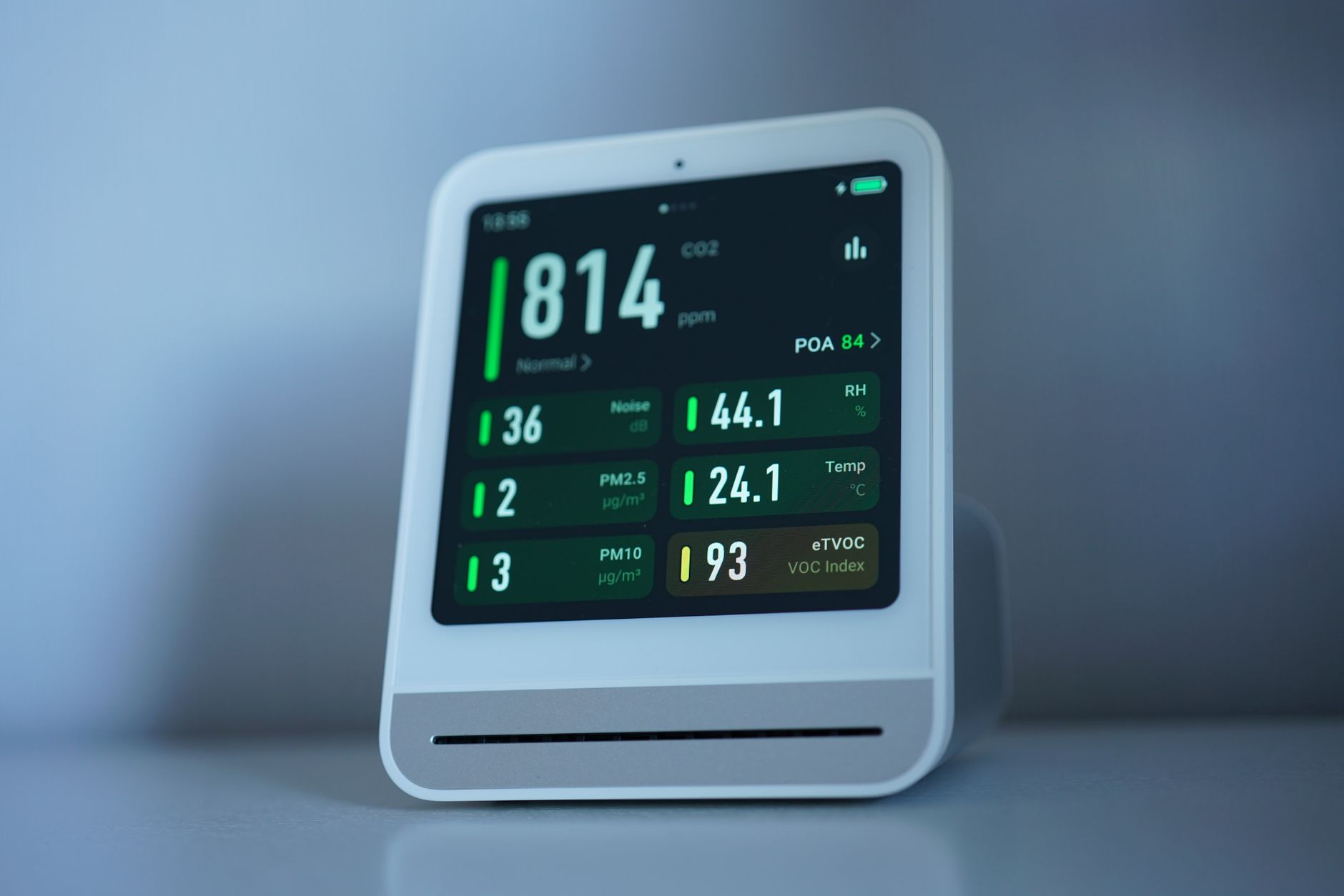
Carbon dioxide levels indicate ventilation adequacy—elevated CO2 suggests insufficient fresh air exchange. Proper ventilation maintains CO2 below 1000 ppm (ideal below 800 ppm). Sensors help identify inadequately ventilated spaces, guiding improvements. Opening windows intermittently when outdoor air quality permits provides fresh air. Mechanical ventilation systems, when properly designed, maintain healthy CO2 levels automatically. Schools, offices, and homes with elevated CO2 often show reduced cognitive function and increased health complaints. Monitoring CO2 and responding with ventilation improvements provides measurable health benefits.
Allergen and Pet-Related Air Quality
Pet dander, dust mites, and their allergens significantly impact air quality for sensitive individuals. Dedicated HEPA filtration effectively removes dander and dust mite waste. Increased air changes per hour (6+ per hour in pet homes) removes allergens faster than accumulation. Maintaining low humidity (below 50%) reduces dust mite proliferation substantially. Regular vacuuming with HEPA filters and air purification addresses shedding and accumulation. Segregating pets to specific areas containing allergen impact protects sensitive family members. Professional air duct cleaning occasionally removes accumulated allergens, though regular filtration proves more important long-term.
Testing and Monitoring Air Quality
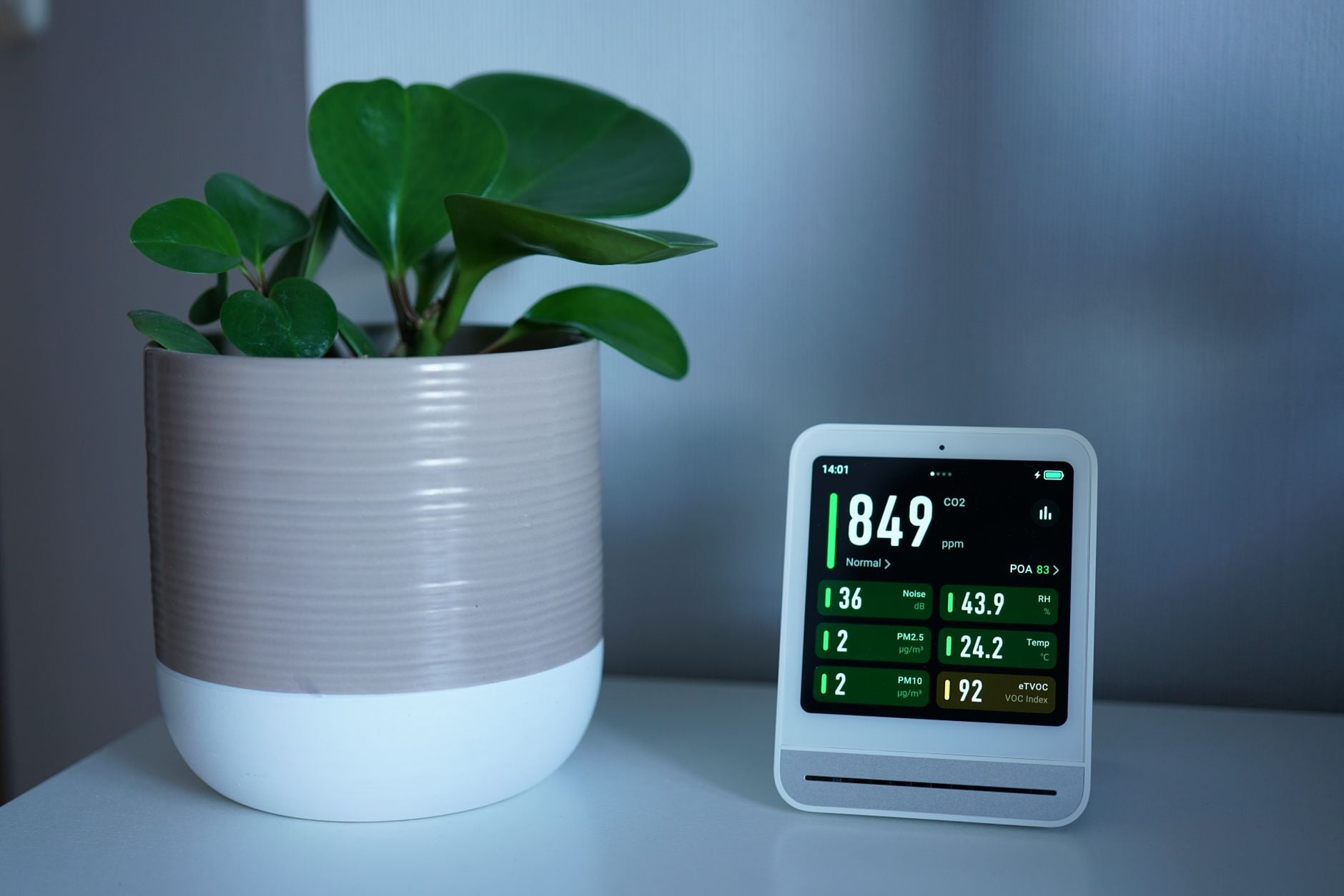
Improving unmeasured conditions proves difficult, making air quality monitoring valuable. Humidity metres verify moisture levels. CO2 sensors identify ventilation inadequacy. VOC sensors detect chemical pollution. Particle counters measure dust and allergen concentrations. Smart systems monitor multiple parameters simultaneously, automatically adjusting ventilation and dehumidification. Regular testing tracks improvement effectiveness, motivating continued efforts. Baseline measurements before improvements demonstrate their actual impact, proving worth of investments.
Creating Healthier Breathing Spaces
Systematic approaches combining ventilation, humidity control, filtration, and source reduction create genuinely healthy indoor air. No single solution suffices; comprehensive strategies addressing multiple factors prove most effective. Air quality management systems help homeowners systematically improve breathing spaces, supporting respiratory health and overall wellbeing across all seasons.

Sienna is the creative visionary behind Posh Journey Style. With a background in fashion and a passion for global exploration, she curates the perfect blend of luxury travel, cutting-edge technology, and timeless beauty. Sienna believes that true style is found in the details, inspiring readers to elevate their daily lives with elegance and innovation.