




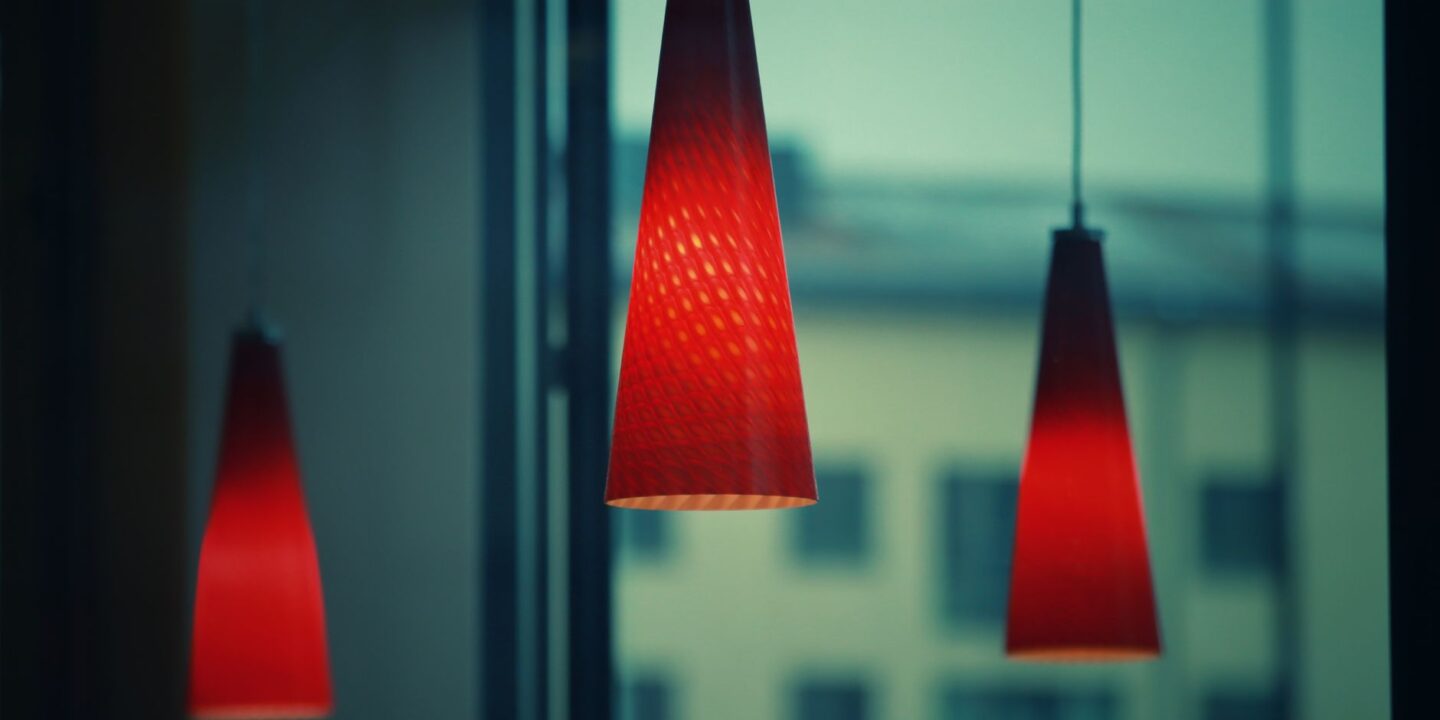
Interior lighting profoundly influences how spaces feel, affecting mood, productivity, and overall wellbeing more than many people recognise. Rooms lit exclusively with harsh overhead fixtures feel institutional and uninviting, while thoughtfully layered lighting creates warmth, depth, and sophistication. Strategic lighting design—combining ambient, task, and accent lighting at appropriate brightness levels—transforms interiors from functional to exceptional. Rather than relegating lighting to electrical afterthoughts, prioritising lighting alongside furniture and décor ensures cohesive, beautiful spaces where people enjoy spending time. Professional indoor lighting collections provide diverse options transforming every room through strategic illumination.
Layered Lighting for Dynamic Spaces
Effective interior lighting combines three distinct layers serving different purposes. Ambient lighting provides baseline illumination for general visibility—typically from overhead fixtures, recessed lights, or upward-bouncing wall lights. Task lighting focuses bright light on specific activities like reading, cooking, or working—table lamps, under-cabinet lights, or focused fixtures above work areas. Accent lighting highlights architectural features, artwork, or design elements creating visual interest. The magic emerges when these layers work together, allowing you to adjust brightness and emphasis matching activities and times of day. A living room might use gentle ambient light with bright task lighting for reading, then shift to accent lighting emphasising artwork for evening entertainment.
Light Temperature and Psychological Effects

Light colour temperature—measured in Kelvins—profoundly affects how rooms feel. Warm light (2700K) appears yellowish, creating relaxing, intimate atmospheres perfect for bedrooms, living rooms, and entertaining spaces. Neutral light (4000K) provides balanced illumination without warmth or coolness, suitable for kitchens and workspaces. Cool light (5000K+) appears bluish, promoting alertness and energy, ideal for task-focused spaces like offices or bathrooms. Understanding these effects guides fixture selection for specific rooms. Bedroom lighting should prioritise warmth creating relaxation, while kitchen lighting should emphasise task visibility. Some rooms benefit from adjustable colour temperature allowing different moods for different times of day.
Room-Specific Lighting Design
Different rooms require different lighting approaches reflecting their purposes. Bedrooms benefit from soft, dimmable ambient lighting with minimal blue tones interfering with sleep. Reading lights beside beds provide task illumination without disturbing sleep partners. Living rooms suit layered lighting allowing flexibility from entertaining to relaxing. Warm accent lighting on artwork or architectural features adds sophistication. Kitchens require bright, focused task lighting on work surfaces combined with ambient lighting for safety and general visibility. Dining rooms benefit from dimmable overhead lighting complemented by candlelight or decorative fixtures creating intimate entertaining atmospheres. Bathrooms need practical bright lighting around mirrors for grooming while softer ambient lighting creates spa-like relaxation. Understanding room purposes guides appropriate lighting selections.
Lamps and Fixture Selection
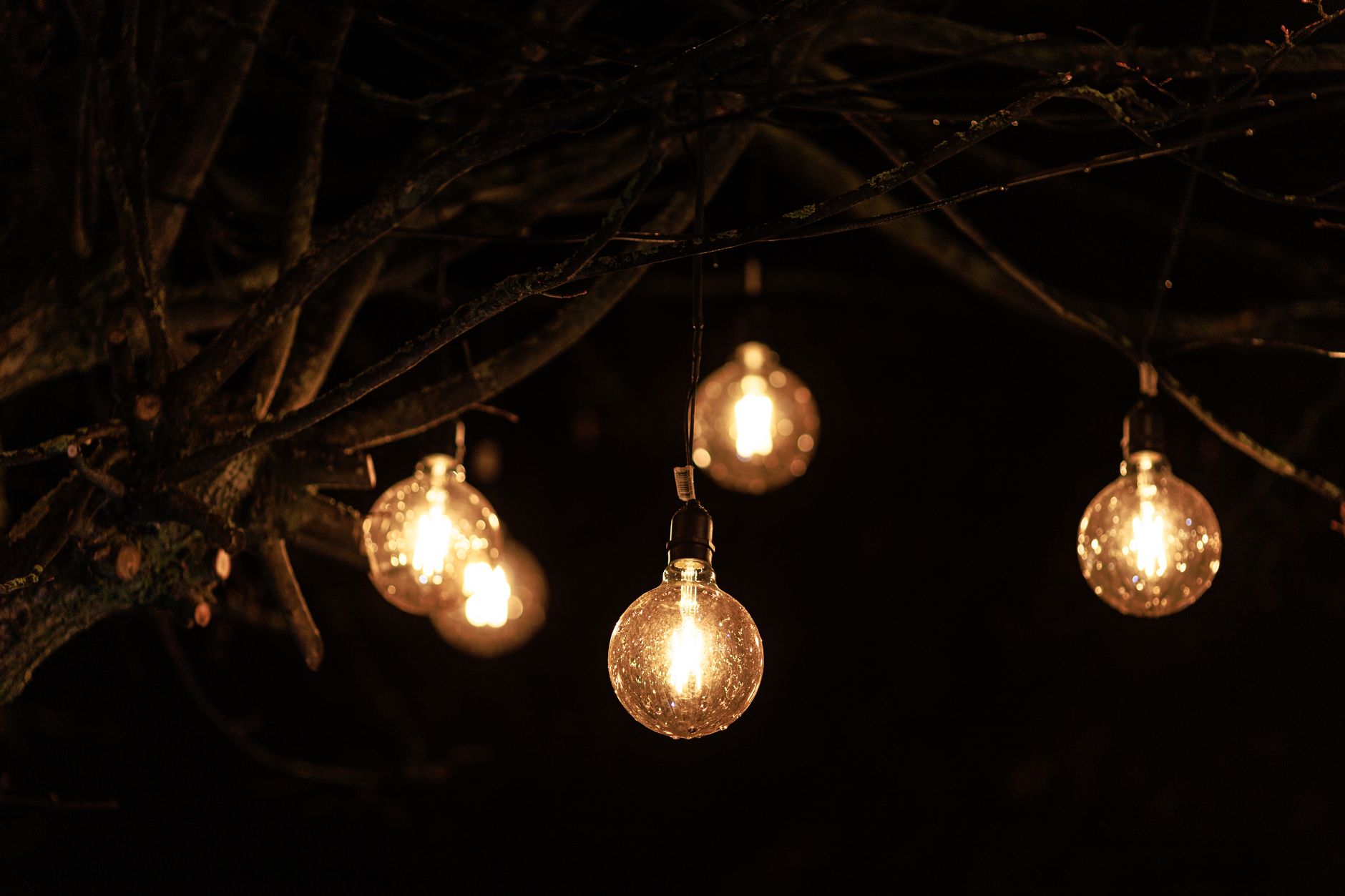
Decorative lighting fixtures serve dual purposes—providing illumination while contributing aesthetic value. Table lamps add warmth and visual interest while providing task and accent lighting. Floor lamps fill corners, creating ambient uplighting or direct downlighting. Pendant lights hang from ceilings, providing focused illumination for dining areas, islands, or work spaces. Chandelier fixtures serve as decorative focal points while providing ambient illumination. Wall sconces frame mirrors, provide accent lighting, or create ambient illumination alongside other fixtures. Selecting fixtures coordinating with room décor ensures lighting enhances rather than distracts from overall design. Decorative lighting collections offer diverse styles from contemporary to traditional, functional to purely artistic.
Smart Lighting for Modern Lifestyles
Smart lighting systems allow convenient adjustment from mobile apps, voice commands, or automated schedules. Dimming capabilities transform room atmospheres instantly, transitioning from bright morning visibility to soft evening ambiance. Colour-changing smart bulbs allow mood adjustments matching occasions, times of day, or seasonal preferences. Scheduling features turn lights on before you wake, simulating sunrise for natural awakening. Away-from-home automation simulates occupancy improving security. Integration with smart home systems centralises control alongside thermostats and security systems. Voice commands allow lighting adjustment without leaving activities—no reaching for switches while holding dishes or working. Smart lighting brings modern convenience without replacing traditional aesthetics, allowing sophisticated designs incorporating technology.
Accent Lighting and Focal Point Emphasis
Strategic accent lighting guides attention toward design elements you want to emphasise. Uplighting artwork creates dramatic focal points while adding visual interest to walls. Picture lights above paintings provide dedicated illumination highlighting artwork. Shelving lights illuminate book collections, plant displays, or decorative objects. Cove lighting hidden behind architectural elements creates ambient uplighting adding dimension. Niche lighting emphasises architectural recesses. Track lighting allows flexible adjustment as décor changes. Thoughtful accent lighting transforms plain walls into visually interesting focal points, adding sophistication to interiors.
Energy Efficiency and Sustainability

Modern lighting technology dramatically reduces energy consumption compared to traditional incandescent bulbs. LED bulbs consume 75% less electricity than incandescent while lasting 25+ times longer. Compact fluorescent bulbs (CFLs) offer middle-ground efficiency. Beyond bulb selection, using appropriate lighting levels prevents waste—dimmed lights at night consume minimal energy while creating pleasant atmospheres. Motion sensors in low-traffic areas ensure lights operate only when needed. Timer functions prevent lights running unnecessarily. Energy-efficient lighting decisions reduce electricity bills while supporting environmental responsibility.
Creating Beautiful, Functional Interiors
Rather than viewing lighting as a final detail, prioritising it alongside furniture and décor ensures beautifully illuminated spaces. Layered lighting combining ambient, task, and accent elements creates depth and flexibility. Room-appropriate light temperatures establish correct atmospheres. Strategic fixture selection adds aesthetic value alongside functionality. Smart controls bring modern convenience. Energy-efficient choices support both budgets and environmental values. These principles transform interiors from adequately lit to beautifully illuminated spaces where people genuinely enjoy spending time.

Aria Laurent is a travel and style enthusiast who captures the essence of glamorous journeys around the world. Her writing blends luxury experiences with authentic cultural moments, offering readers a refined perspective on modern travel. From boutique hotels to hidden gems, Aria shares curated insights for those who seek beauty, elegance, and adventure in every destination.