





Internet connectivity has become essential infrastructure for modern life, yet choosing the right broadband provider remains confusing for many households. Different providers offer vastly different speeds, reliability, pricing structures, and customer service quality. Rather than accepting whatever service covers your address or selecting based solely on advertised speeds, understanding your actual bandwidth needs and evaluating providers thoroughly ensures you’re paying fair prices for reliable service meeting your specific requirements. Comprehensive broadband solutions help you navigate options by providing transparent information about available services, speeds, and pricing across different providers.
Understanding Your Bandwidth Requirements
Internet speed needs vary dramatically based on household composition and usage patterns. A single person primarily using email and web browsing requires far less bandwidth than a family with multiple simultaneous users streaming video, attending video calls, and gaming. Professional video conferencing demands reliable speeds, typically 2.5 Mbps upload and 2.5 Mbps download minimum, though higher speeds prevent interruptions during important calls. Online gaming benefits from low latency (typically below 100ms) and stable speeds, but doesn’t necessarily require the absolute fastest available options. Video streaming varies by resolution—4K streaming requires significantly more bandwidth than 1080p. Understanding your household’s peak usage patterns helps you select appropriate speed tiers without overpaying for capacity you don’t utilise. Speed requirement guides help you calculate realistic needs based on your specific activities.
Broadband Technology Options

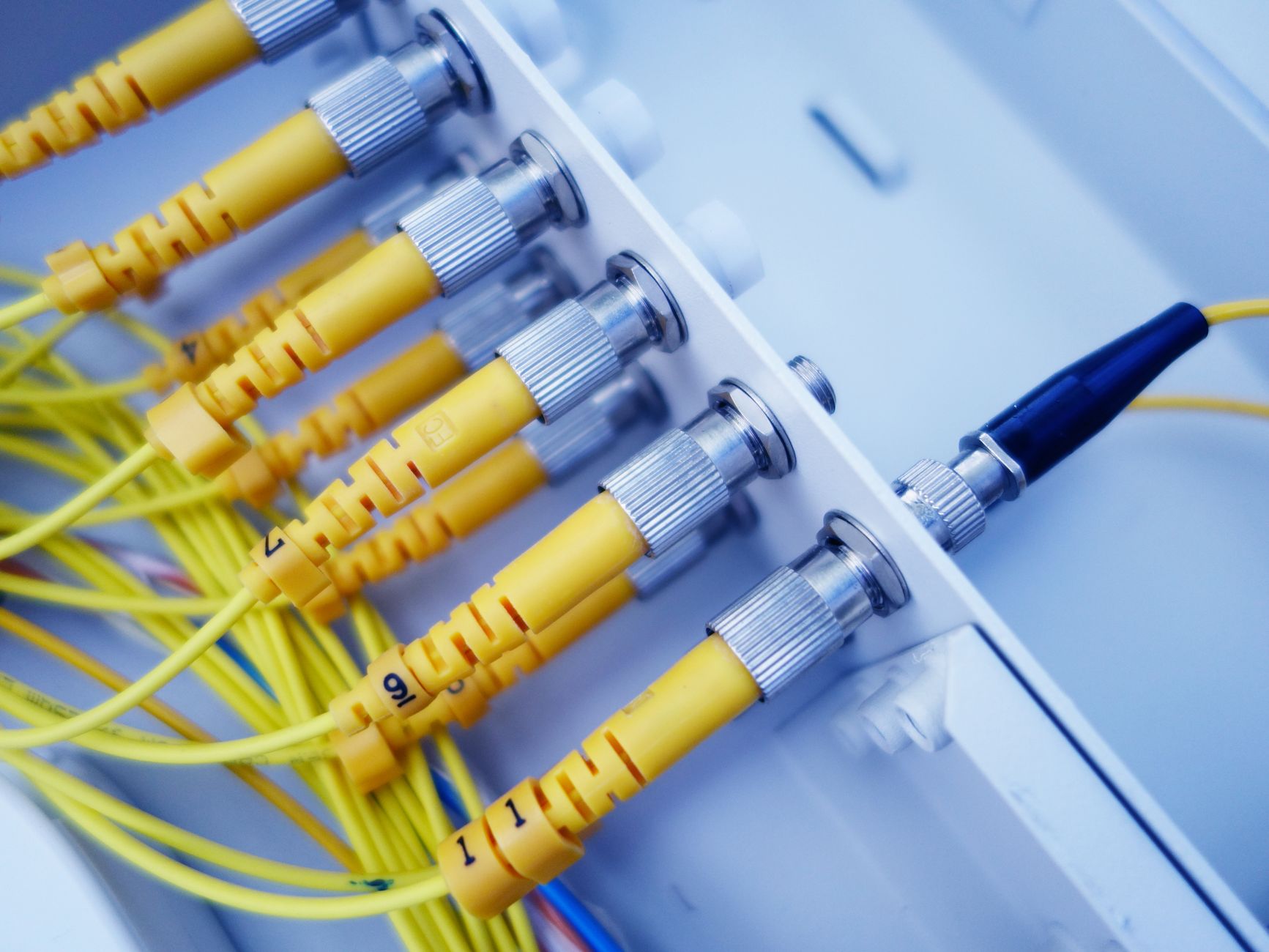
Several broadband technologies offer different speed, reliability, and availability profiles. Fibre-optic connections provide the fastest, most reliable speeds, typically 100-1000 Mbps, but aren’t available everywhere. Cable broadband delivers respectable speeds (30-300 Mbps) through existing cable television infrastructure, available in many areas. DSL broadband over traditional phone lines offers slower speeds (5-50 Mbps) but wider availability. Satellite broadband covers remote areas lacking other options but suffers from higher latency and data limitations. Fixed wireless offers decent speeds in some areas. Understanding which technologies serve your address helps you compare realistic options rather than chasing unavailable speeds. Different technologies suit different situations; the fastest available option isn’t always the best fit if it comes with significant cost premiums or reliability concerns.
Speed Tiers and Your Usage Reality
Broadband providers offer multiple speed tiers at different price points, creating temptation to select the fastest available option. In practice, most households use significantly less bandwidth than their subscribed tiers. Someone paying for 500 Mbps but primarily streaming video and browsing would see no practical difference compared to 100 Mbps service. Conversely, families with multiple simultaneous heavy users (video calls, streaming, gaming) often benefit from faster tiers providing smoother experiences. Rather than speed, focus on consistency and reliability—a consistently reliable 50 Mbps connection outperforms an unstable 100 Mbps connection. Testing speeds regularly and adjusting tier selections when usage patterns change ensures you’re getting value from your service.
Reliability and Service Quality
Advertised speeds represent maximum theoretical capacity, not typical real-world performance. Reliability matters more than raw speed—service that drops regularly becomes frustrating regardless of maximum speeds. Reading customer reviews specifically about reliability, outage frequency, and customer service quality provides better guidance than marketing claims. Some providers offer guaranteed uptime percentages and service credits if they fail to deliver. Asking about average speeds customers actually experience, rather than maximum speeds, gives realistic expectations. Understanding a provider’s track record with service quality helps you avoid frustration from unreliable connections that disrupt work, entertainment, and family time.
Pricing and Contract Considerations
Broadband pricing varies significantly between providers and varies over time. Introductory rates often increase substantially after initial contract periods. Understanding total cost of ownership—including introductory prices, price increases, equipment fees, and contract terms—prevents unpleasant surprises. Some providers include equipment rental in their advertised price while others add substantial monthly fees. Cancellation penalties or equipment return requirements affect switching costs. Comparing total 24-month costs rather than introductory monthly rates provides more accurate comparisons. Shopping during competitive periods and negotiating with providers often yields better rates than accepting initial quotes. Transparent pricing information helps you compare total costs across providers accurately.
Customer Support Quality
When problems arise—and they eventually do for any internet user—customer support quality determines how quickly issues resolve. Phone support availability, wait times, technical expertise, and overall helpfulness vary dramatically between providers. Many providers now require account verification, making resolving issues more time-consuming. Understanding support options before selecting a provider helps you avoid frustration. Some providers prioritise phone support while others push online chat. Reliable account access online for managing services, checking usage, and reporting issues matters increasingly as well.
Contract Terms and Flexibility
Contract lengths affect flexibility and total costs. Shorter contracts allow switching providers if service quality disappoints, while longer contracts lock in rates but reduce flexibility. Month-to-month plans offer maximum flexibility but typically come with premium pricing. Understanding early termination fees, contract renewal terms, and upgrade policies helps you select arrangements matching your preferences. Some households value flexibility while others prefer locked-in rates and predictable costs.
Making Your Broadband Selection

Rather than selecting based on single factors like advertised speed, evaluate providers across reliability, actual performance, customer support, pricing, and contract terms. What matters most varies by household—reliability might be critical for professionals working from home, while affordability might be the primary concern for budget-conscious households. Matching provider selection to your specific priorities ensures satisfactory service for years to come.

Luca Moretti is a global lifestyle writer with a passion for storytelling through travel, fashion, and urban exploration. Inspired by vibrant cities and timeless destinations, he creates content that reflects sophistication and curiosity. Luca’s work focuses on helping readers discover unique places, elevated experiences, and the art of living stylishly on the move.