




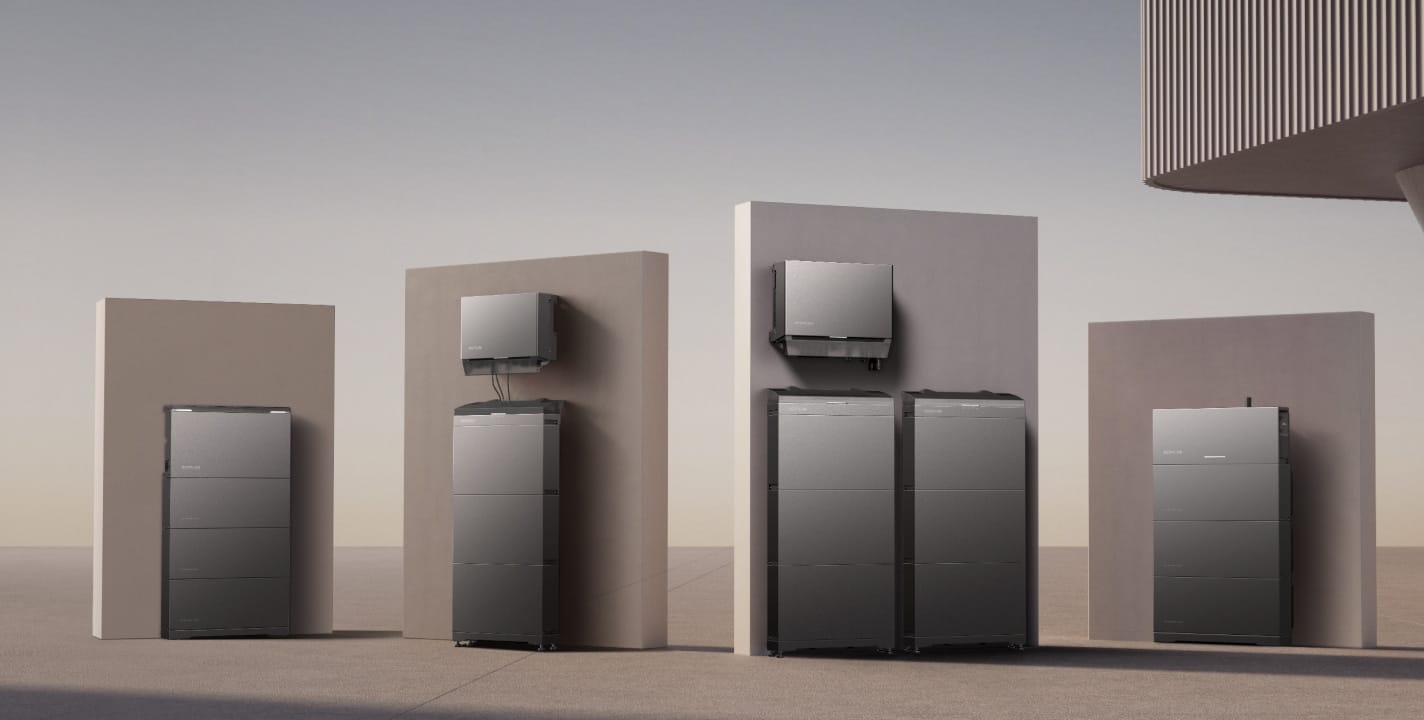
The dream of energy independence, living on land powered by renewable sources rather than relying on utilities and fossil fuels, has transitioned from fringe fantasy to practical reality for thousands of homeowners. Advances in solar technology, battery storage, and system efficiency have made off-grid living accessible without sacrificing modern comfort. EcoFlow stands at the forefront of enabling this transition by providing battery storage systems that work seamlessly with solar power generation. Understanding how these systems function together reveals that off-grid living today means sustainable luxury rather than austere survival, with reliable electricity supporting everything from climate control to appliances to work equipment.
The Economics of Off-Grid Solar Systems
Investment in off-grid solar systems requires careful financial analysis, but increasingly the economics favor making the switch. Traditional grid electricity rates rise steadily, and off-grid system costs continue declining as technology matures and manufacturing scales. A homeowner investing in solar panels and EcoFlow battery storage today will likely save money compared to 20 years of grid electricity payments, particularly in locations with high utility rates. Beyond simple payback analysis, off-grid systems provide rate protection, guaranteeing that future electricity costs remain stable because they are generated at home rather than purchased from utilities raising rates annually.
Government incentives further improve off-grid system economics. Tax credits, rebates, and net metering programs in many jurisdictions significantly reduce the effective cost of solar installation. Property value increases often offset system costs when homes include quality off-grid systems. The transition to renewable energy is increasingly supported by policy and economics, making the financial argument for off-grid solar systems stronger than ever. A homeowner considering off-grid solar should research local incentive programs and realistic energy costs, as the financial case often proves more compelling than it initially appears.
Designing a Complete Off-Grid Power System
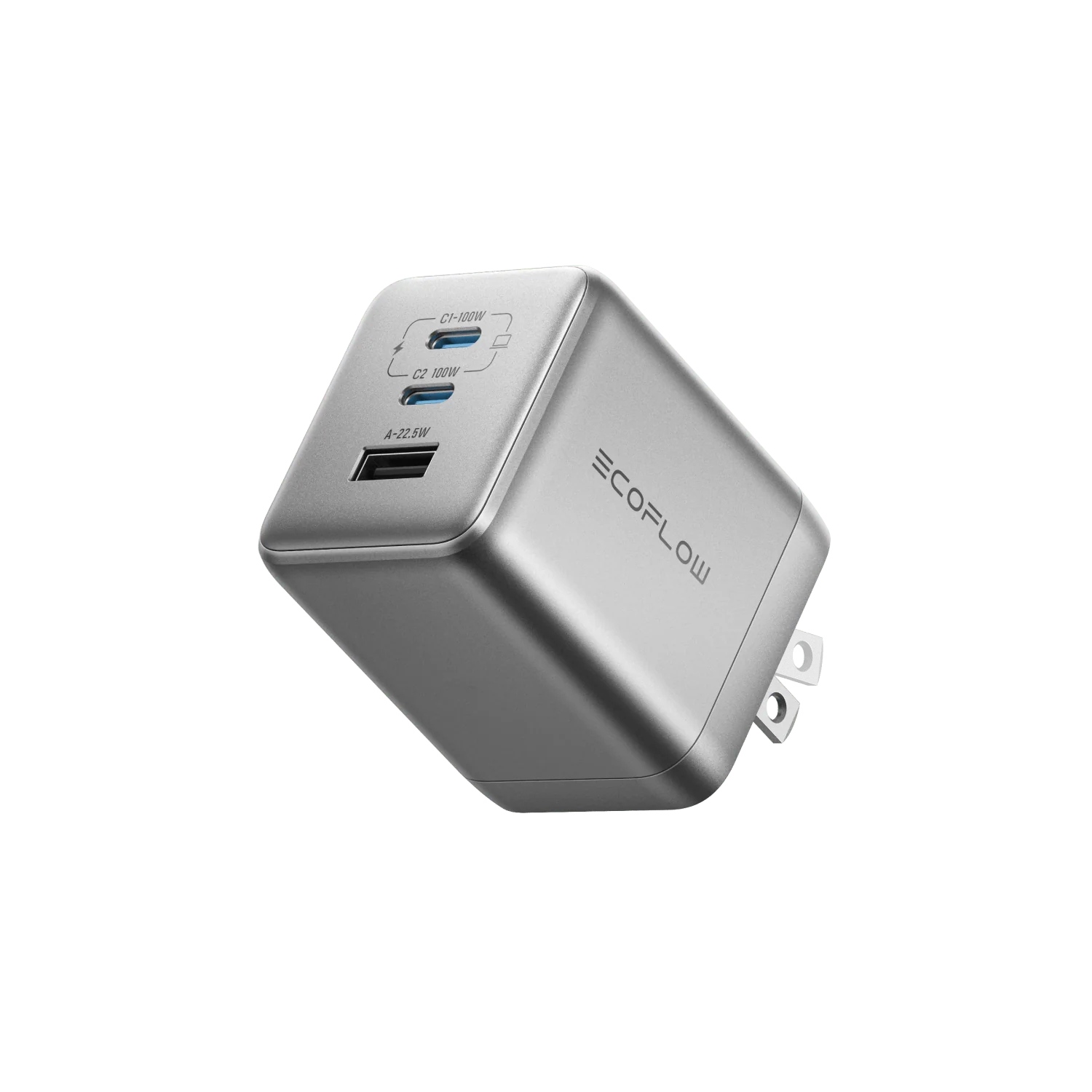
A functional off-grid home requires integration of solar generation, battery storage, backup power, and intelligent system management. Solar panels generate power during daylight hours when the sun shines. EcoFlow battery systems store this power for use during night hours and cloudy periods. Inverters convert stored direct current power into standard alternating current that household devices use. A backup generator provides additional capacity during extended cloudy periods. Charge controllers manage charging of batteries from solar panels. Wiring and disconnects enable safe system maintenance. Each component requires appropriate sizing and integration to create a reliable whole-system solution.
System design begins with understanding your household’s electricity consumption patterns. How much power does your household use daily, monthly, seasonally? When during the day do you use the most power? How does consumption change between summer and winter? These questions determine solar panel quantity needed and EcoFlow battery capacity necessary to store power for nighttime and cloudy period use. A household using most power during daytime hours requires less battery capacity than one using equal power primarily at night. Careful analysis of consumption patterns allows efficient system design that provides reliability without unnecessary oversizing.
Selecting Solar Panel Systems
Solar panel technology has improved dramatically, with modern panels generating more power from the same space while lasting longer and maintaining efficiency better than older generations. Panel efficiency continues advancing, though most modern panels perform similarly. The more important consideration is quality and durability. Premium solar panels from established manufacturers provide better warranty coverage and more predictable long-term performance than budget alternatives. A 20-year system needs panels that reliably produce power throughout that period, making quality far more important than saving a few hundred dollars on initial cost.
Panel mounting systems require equal attention to the panels themselves. Roof-mounted systems maximize space utilization but require careful installation to avoid leaks. Ground-mounted systems simplify maintenance and allow adjustment for seasonal sun angle changes. Tracking systems that follow the sun’s path maximize power generation but add complexity and maintenance requirements. Most off-grid homeowners choose fixed roof or ground mounting, with stationary installation providing reliable performance without the complexity of moving parts requiring maintenance. The choice between roof and ground mounting depends on available space, roof condition, and aesthetic preferences.
Battery Storage with EcoFlow for Energy Independence
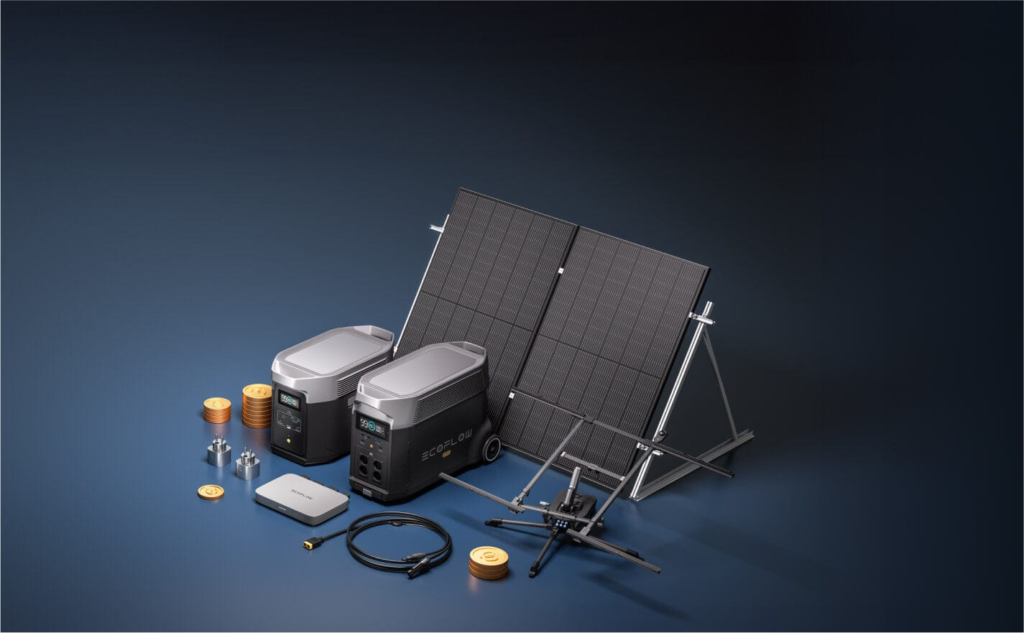
EcoFlow battery systems transform solar power from immediate-use only to reliable power available anytime. Without battery storage, solar electricity flows directly to appliances during daylight hours, but nighttime requires either grid electricity, a generator, or darkness. Adding EcoFlow battery storage enables solar power to sustain a home indefinitely. Batteries accept charge during daytime sunshine and supply power during evening and night hours. This daily cycle, repeated year after year, enables energy independence and sustainability. The system becomes even more valuable when combined with load management, using high-power appliances during peak solar generation periods when battery charging is strongest.
Battery capacity must be sufficient to store enough daytime solar power to cover nighttime consumption and cloudy period needs. A household consuming 30 kilowatt-hours daily with consumption spread evenly requires more battery capacity than one consuming the same power concentrated in evening hours. EcoFlow systems scale from small capacities suitable for cabins and RVs to large systems capable of powering entire homes. Matching battery capacity to household needs and available solar generation ensures reliable power without excessive oversizing. A professional system designer can calculate appropriate battery capacity based on your consumption patterns and local climate conditions.
Managing Power During Extended Cloudy Periods
Even regions with excellent annual sunshine experience extended cloudy periods where solar generation drops substantially. Winter months in northern latitudes generate far less solar power than summer months. EcoFlow battery systems must be sized to provide power through these challenging periods, or backup generation becomes necessary. Some off-grid systems include propane or natural gas generators that start automatically when battery capacity drops below minimum levels, providing extended power until sunny conditions return and solar generation resumes. This hybrid approach provides reliable power year-round while minimizing generator use and associated fuel costs.
Managing power consumption during extended cloudy periods helps maintain battery capacity longer until generation improves. Shifting non-essential loads to sunnier periods and reducing unnecessary consumption extends battery reserves. Smart monitoring systems from EcoFlow display real-time battery capacity and solar generation, enabling conscious power management. Users can consciously reduce consumption when batteries are low and solar generation is weak, or confidently use power knowing battery reserves are adequate. This awareness replaces the anxiety of traditional utility usage with conscious, informed power management.
Load Management and Smart Appliance Integration
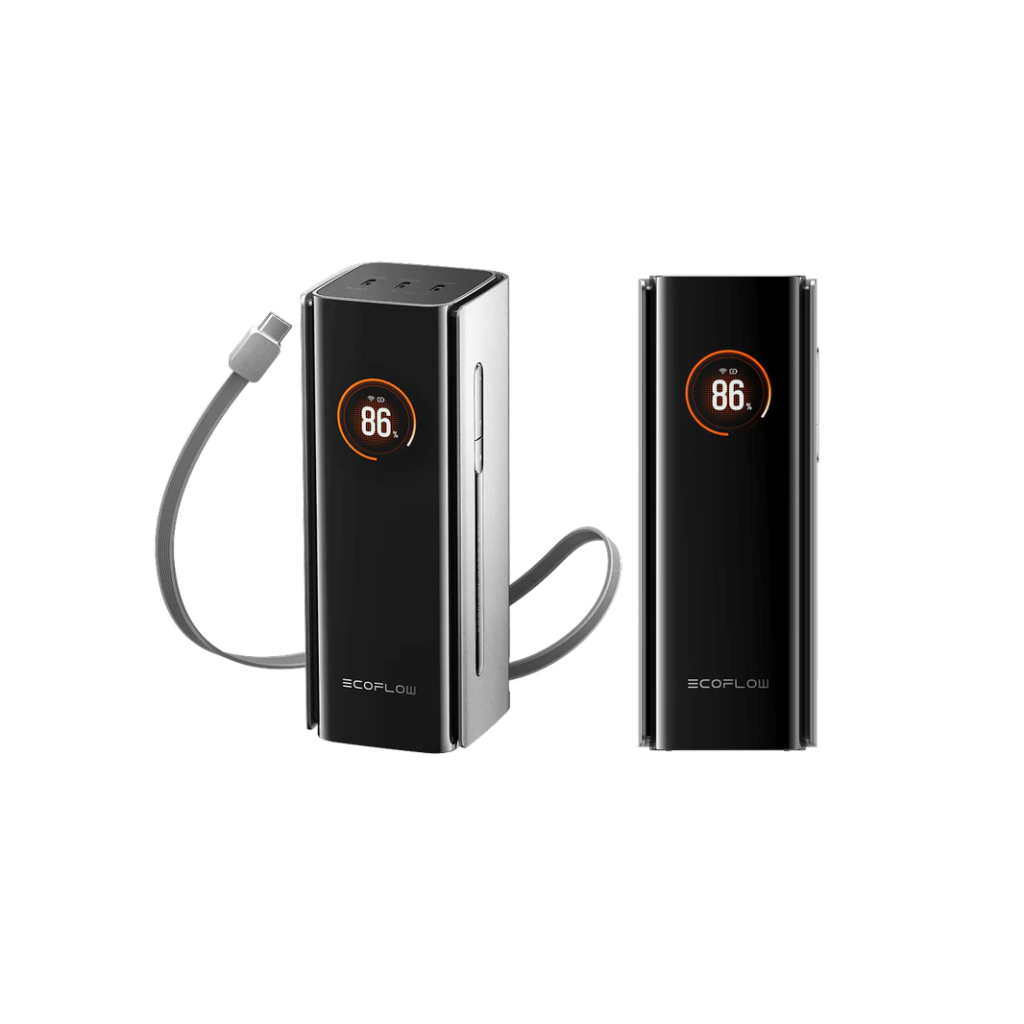
Modern off-grid homes increasingly incorporate smart appliances and load management systems that optimize power use based on available generation and storage capacity. Water heaters can shift heating to peak solar generation hours, reducing battery discharge for heating. Laundry and dishwashing tasks can be scheduled during strong solar periods. Electric vehicle charging can occur when solar generation peaks. These flexible loads smooth power consumption and reduce peak demand on battery systems. EcoFlow integration with smart home systems enables sophisticated automation that manages loads intelligently without requiring constant manual intervention.
The shift from treating electricity as a commodity available in unlimited quantity to conscious management of available power often results in reduced overall consumption. Becoming aware of electricity use encourages efficiency improvements, from better insulation to efficient appliances to behavioral changes. This awareness combined with automated management creates homes that use substantially less electricity than comparable grid-connected homes while maintaining comfort. The psychological and practical benefits of energy independence extend beyond sustainability to genuine engagement with how your home functions.
Building Community and Sharing Resources
Off-grid living need not mean isolated independence. Many off-grid communities share resources, expertise, and surplus power generation. A homeowner with excess solar generation during sunny periods can provide power to neighbors through microgrid arrangements. Communities can invest in shared battery systems and solar arrays, reducing individual costs while improving collective reliability. This collaborative approach to off-grid living builds community while maintaining individual independence. EcoFlow systems designed for interconnection enable these shared power arrangements where legally and technically feasible.
The transition to off-grid living powered by solar generation and sustained by EcoFlow battery storage represents one of the most practical ways individuals can address climate change while improving their own resilience and independence. The economics increasingly favor this transition, with financial benefits combining with environmental benefits and personal satisfaction. As solar technology continues advancing and battery costs decline, off-grid systems become ever more accessible. The freedom of generating your own power, the security of knowing your home functions independently of utility infrastructure, and the satisfaction of living in alignment with environmental values create a compelling case for off-grid solar living. EcoFlow systems provide the battery storage that makes this lifestyle practical and sustainable, transforming the dream of energy independence into daily reality.

Aria Laurent is a travel and style enthusiast who captures the essence of glamorous journeys around the world. Her writing blends luxury experiences with authentic cultural moments, offering readers a refined perspective on modern travel. From boutique hotels to hidden gems, Aria shares curated insights for those who seek beauty, elegance, and adventure in every destination.