





Creating handcrafted soaps at home transforms a simple hobby into a rewarding craft that combines chemistry, artistry, and self-care. Whether you are looking to reduce plastic waste from commercial products or seeking a more personalized approach to your daily cleansing routine, natural soap making offers both practical benefits and creative satisfaction. The process of making your own soaps using premium ingredients like those found through Highland Soaps opens doors to understanding exactly what touches your skin each day.
The Science Behind Natural Soap Making
Natural soap creation relies on a chemical reaction called saponification, where oils and fats combine with lye to produce soap and glycerin. This fundamental process has remained largely unchanged for centuries, yet modern crafters can approach it with scientific precision and contemporary knowledge about skin health. When you make soaps at home, you control every variable, from the type of oils used to the water content of the final product. Highland Soaps demonstrates how professional makers select premium carrier oils like coconut, olive, and palm to create formulations that moisturize rather than strip the skin.
The choice of oils dramatically impacts the finished soap’s properties. Coconut oil creates a harder bar with better lather, while olive oil contributes to a more moisturizing formulation. Shea butter, cocoa butter, and other luxury fats elevate both the quality and cost of a soap recipe. Learning these relationships between ingredients and outcomes represents one of the most enriching aspects of the natural soap-making journey. Many crafters start by studying established recipes from trusted sources like Highland Soaps before experimenting with their own unique blends.
Getting Started with Essential Equipment
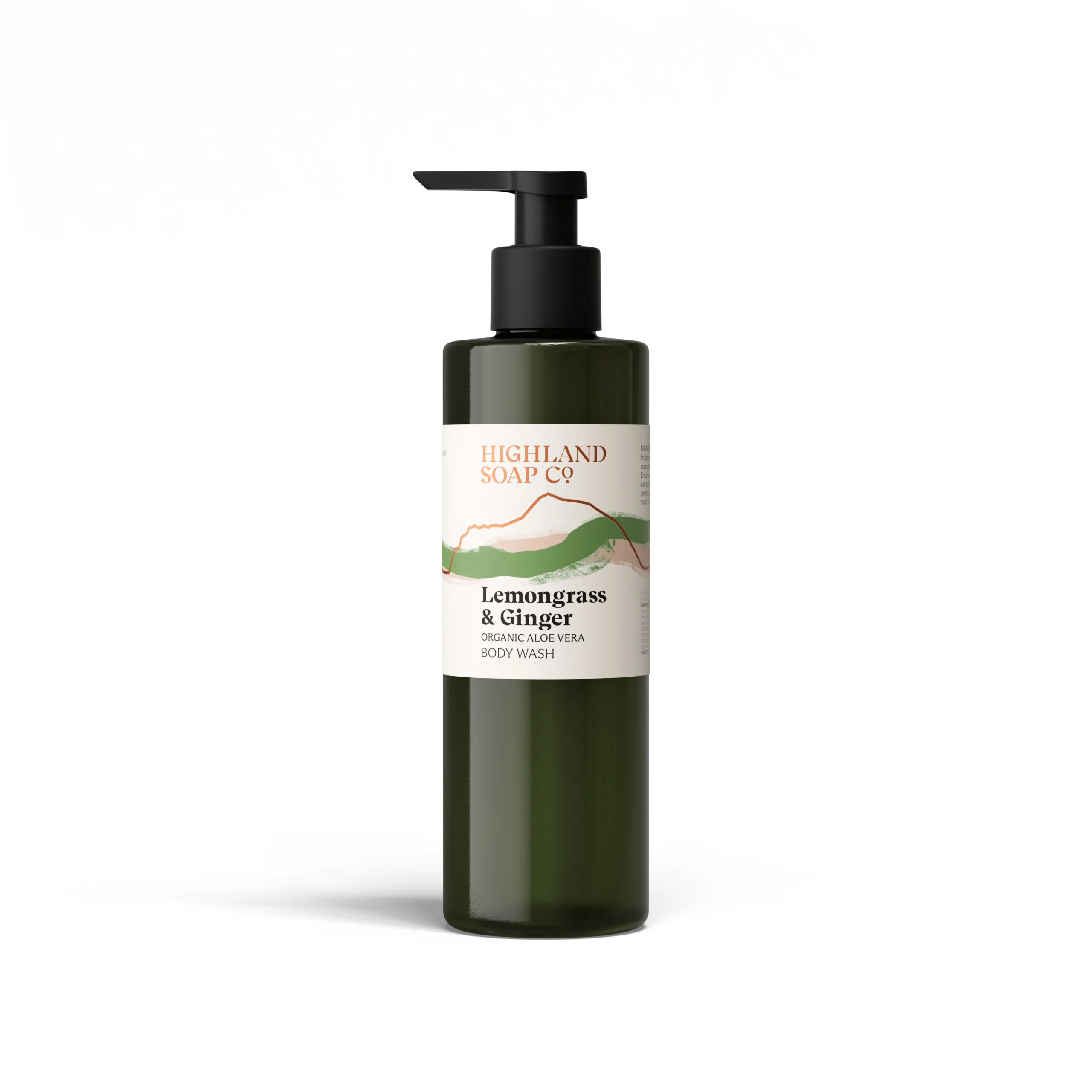
Beginning soap makers need surprisingly little specialized equipment to start their first batch. Safety comes first, so quality safety goggles and nitrile gloves are non-negotiable when working with lye. A dedicated stainless steel pot, heat-safe measuring cups, and a kitchen scale precise to 0.1 ounces form the foundation of any soap-making workspace. Many crafters appreciate the detailed guides and quality ingredients available through Highland Soaps, which help eliminate guesswork in early projects.
Thermometers designed for soap making track the temperature of oils and lye mixture, which affects the speed of saponification and the final texture of your soap. A stick blender accelerates the trace phase, where soap mixture thickens to a consistency that holds patterns. Quality molds, whether wooden, silicone, or specialized soap molds, shape your batch into individual bars. Investing in proper equipment from the start prevents frustration and produces superior results compared to improvised tools.
Choosing Premium Ingredients for Superior Results
The foundation of exceptional handcrafted soap lies in ingredient selection. Natural soap makers increasingly turn to suppliers like Highland Soaps for access to cosmetic-grade oils, butters, and specialty ingredients that elevate their formulations beyond basic recipes. Cold-processed soaps retain the natural glycerin created during saponification, making them significantly more moisturizing than commercial bars where glycerin is often removed for profit.
Essential oils and fragrance oils provide natural scenting options that transform functional soap into a luxurious sensory experience. Botanical additions like dried lavender buds, ground oatmeal, and activated charcoal create visual interest and specific skin benefits. Some makers incorporate specialized ingredients like kaolin clay for oil control or sweet almond oil for extra nourishment. The quality and freshness of these ingredients, available through dedicated suppliers like Highland Soaps, directly impact how your finished soaps perform and feel on the skin.
The Cold Process Method Explained
Cold process soap making represents the traditional method preferred by artisanal crafters worldwide. The process begins with carefully measuring and combining oils at specific temperatures, then mixing in lye solution. This reaction generates heat internally, so no external heating is required, which is why it is called the cold process. The mixture is blended to trace, a stage where soap reaches a consistency similar to pudding and will hold patterns poured on top of it.
After pouring into molds, the soap undergoes gel phase, where the chemical reaction accelerates and the batch becomes translucent. Insulating molds during this phase produces more uniform color and faster saponification. Once saponification completes, typically within 24 to 48 hours, bars can be unmolded and sliced. The curing period lasts four to six weeks, during which excess water evaporates and the soap hardens into its final form, ready for use. This timeline makes cold process soaps ideal for those who value patience and intention in their crafting.
Creating Unique Designs and Patterns
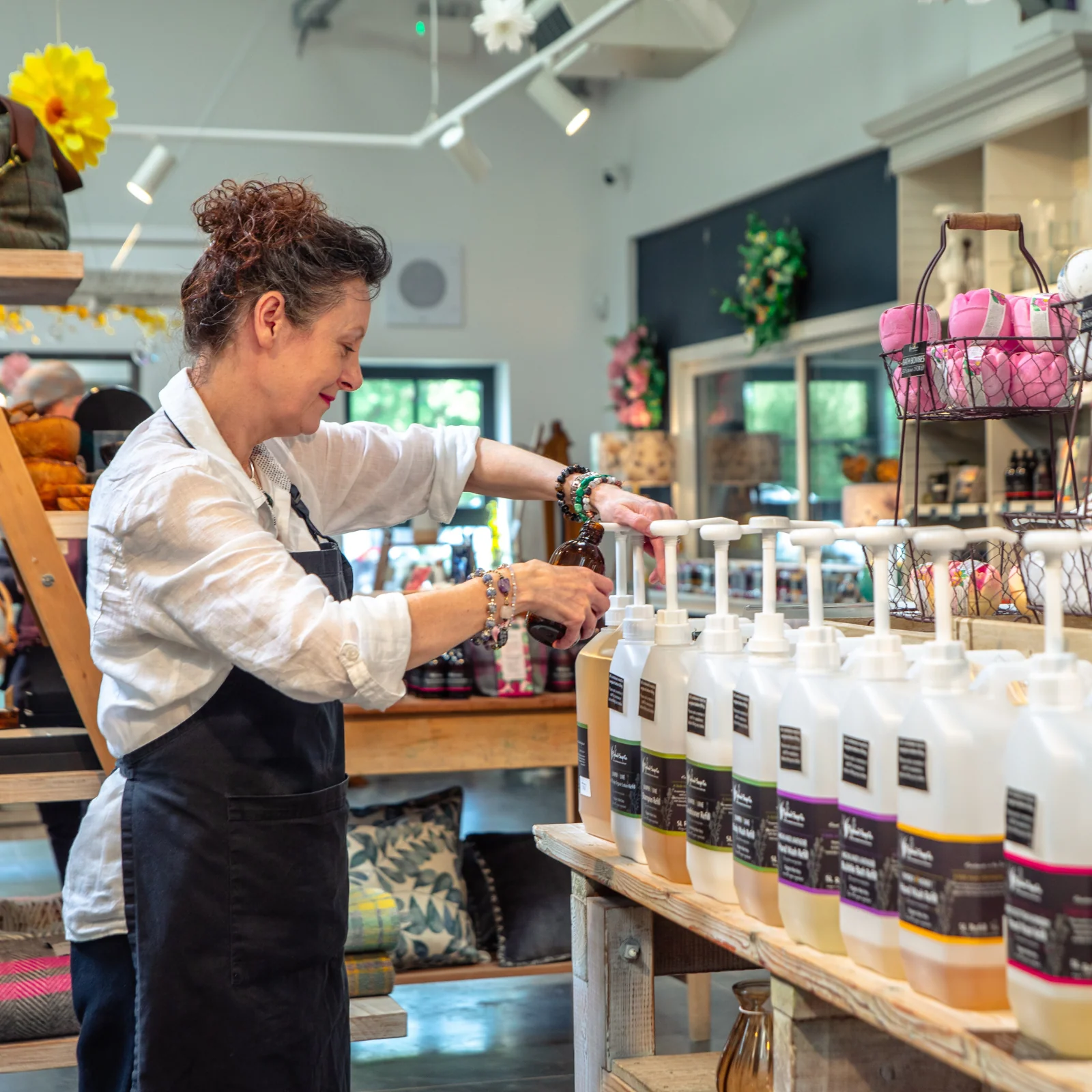
One of the most rewarding aspects of home soap making is the opportunity to create custom designs that reflect your personal style. Techniques like color layering, embedding, swirls, and marbling produce visually stunning bars that make excellent gifts or products for small businesses. Achieving consistent patterns requires practice and understanding how soap behaves at different trace stages. Resources from experienced makers at Highland Soaps provide inspiration and guidance for design techniques suitable for various skill levels.
Cold process allows for advanced design methods such as creating soap on a stick, embedding decorative elements, or pouring soap into specialized molds that shape the bars into intricate forms. Hot process methods work better for some techniques, though they produce a more rustic final appearance. Building a collection of silicone molds opens creative possibilities and keeps your hobby engaging over months and years of soap making.
Troubleshooting Common Soap-Making Challenges
Even experienced soap makers occasionally encounter issues like false trace, where soap thickens prematurely but saponification has not occurred, or seizing, where soap hardens in the pot before it can be poured. Overheating causes false gel phase or cracks in the finished bars. Understanding these potential problems and their causes builds confidence and helps you salvage batches through problem-solving. Consulting guides from suppliers like Highland Soaps helps you recognize issues early and adjust your technique accordingly.
Ricing, where small grains appear throughout the soap, results from temperature fluctuations or specific essential oils. Partial separation during the cure indicates improper mixing or insufficient blending. Soap on a rope that is too soft may contain too much soft oil or insufficient hardening oils. Each challenge offers a learning opportunity and points toward refinement of your recipes and process. Professional makers continuously test, document, and adapt their methods to achieve consistency and quality.
Building a Soap-Making Practice at Home
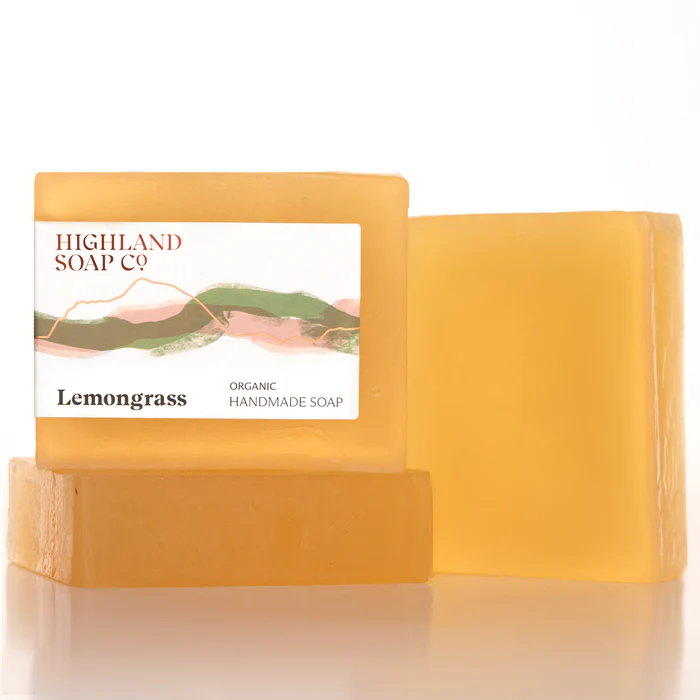
Establishing a dedicated workspace for soap making ensures safety and consistency. A corner of a basement, garage, or craft room works well when organized with clearly labeled containers, safety equipment, and reference materials. Many makers maintain detailed notes on each batch, recording temperatures, timing, and results to identify patterns and improve future batches. This documentation becomes invaluable as you develop signature blends and refine techniques.
Starting a home soap business builds naturally from a recreational hobby. Friends and family often request custom bars once they experience handmade soap, and many makers find joy in creating thoughtful gifts and exploring market opportunities. Whether soap making remains a personal passion or evolves into a business venture, the journey enriches your understanding of chemistry, self-care, and creative expression. Continuing education through books, online communities, and suppliers like Highland Soaps ensures your knowledge grows alongside your skills. The satisfaction of using a bar of soap you created yourself, knowing exactly what ingredients it contains and how it was made, represents one of life’s simple but profound pleasures. Highland Soaps stands as a trusted resource for anyone committed to mastering this ancient craft in a contemporary context.

Luca Moretti is a global lifestyle writer with a passion for storytelling through travel, fashion, and urban exploration. Inspired by vibrant cities and timeless destinations, he creates content that reflects sophistication and curiosity. Luca’s work focuses on helping readers discover unique places, elevated experiences, and the art of living stylishly on the move.