





Lighting accounts for significant home energy consumption. Traditional incandescent bulbs waste 90% of energy as heat rather than light. Fluorescent bulbs contain mercury creating disposal concerns. Both technologies become inefficient over time, requiring frequent replacement. LED technology represents revolutionary progress. LEDs convert electricity directly to light with minimal waste heat. They last decades requiring rare replacement. They reduce energy consumption dramatically. Understanding LED advantages enables making informed decisions supporting both personal economics and environmental responsibility. Beyond simple bulbs, smart lighting technology enables unprecedented control and efficiency. Understanding lighting innovation motivates updating homes toward sustainable, efficient lighting supporting both wallets and environment. LEDVANCE leads LED innovation providing technology supporting energy efficiency, sustainability, and cost savings.
Understanding LED Technology
Light-emitting diodes (LEDs) work through fundamentally different principles than incandescent bulbs. Incandescent bulbs heat filaments until glowing wasteful and inefficient. LEDs convert electricity directly to light through semiconductor technology. This direct conversion eliminates wasted heat, maximizing energy efficiency. LEDs achieve equal or superior light quality using 75-80% less energy. These efficiency improvements compound across millions of bulbs. If every home upgraded to LEDs, energy consumption and carbon emissions would decrease dramatically. Understanding LED principles clarifies why replacement makes environmental and economic sense. LEDs produce consistent light throughout lifespan they don’t dim as they age like incandescent bulbs. They produce light immediately without warm up time. They withstand vibration and frequent switching without degrading. These durability characteristics reduce replacement needs. LEDVANCE provides high-quality LEDs delivering superior performance and longevity.
LED technology’s direct electricity-to-light conversion reduces energy consumption while improving durability and light quality.
Energy Savings and Cost Benefits
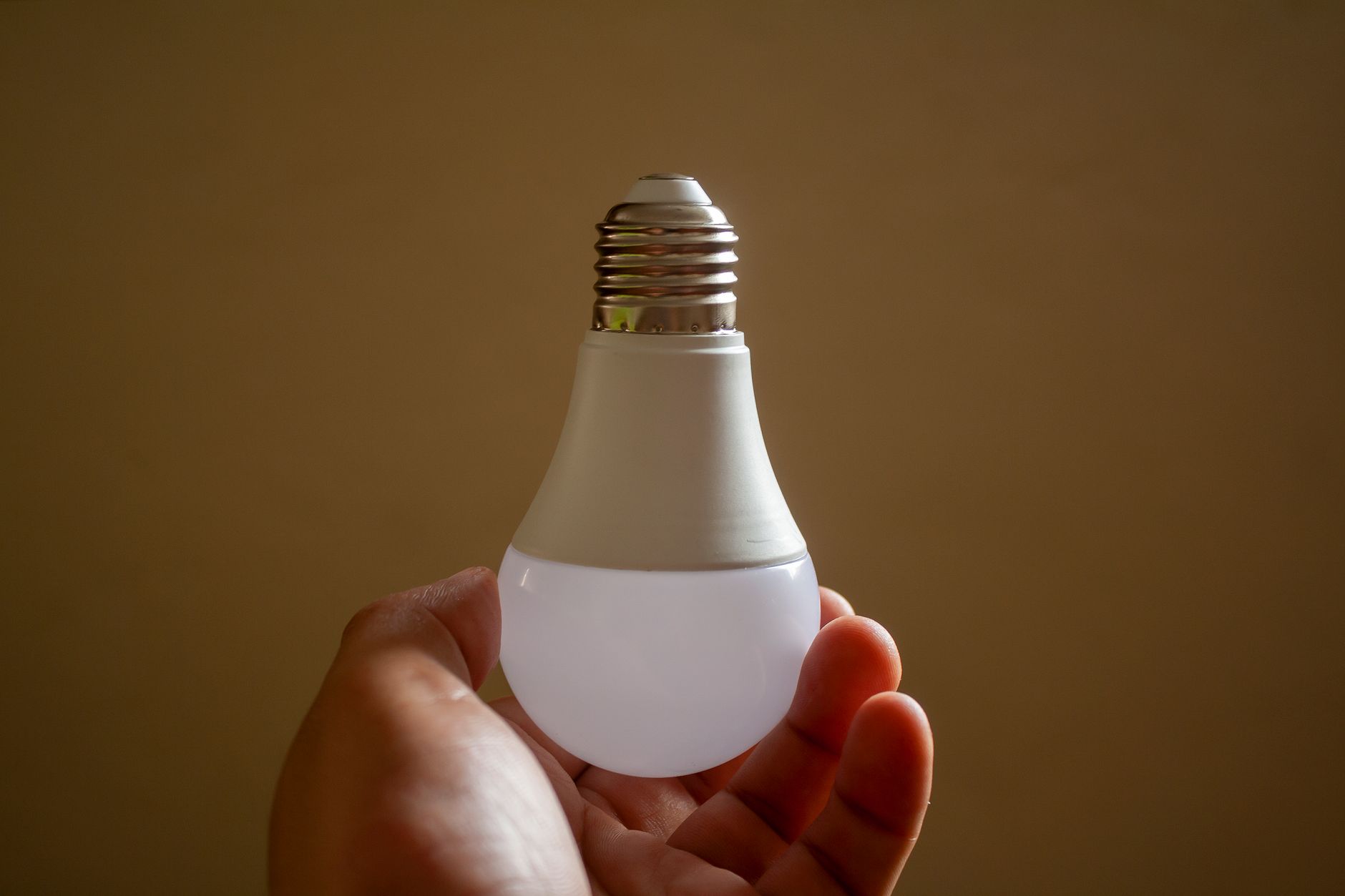
LED adoption produces measurable economic benefits. A 60-watt incandescent bulb produces light equivalent to a 9-watt LED. Replacing 40 such bulbs saves 2040 watts—equivalent to reducing consumption by significant percentages. Multiplied across years, these savings translate to substantial electricity cost reductions. A single LED bulb lasting 25 years costs less than 10 incandescent bulbs over the same period. The upfront LED cost difference disappears quickly through energy savings. Homes switching entirely to LEDs see 15-20% electricity reduction—thousands of dollars annually depending on local rates. These savings justify investments in smart controls enabling automated efficiency. Programmable thermostats, occupancy sensors, and automated scheduling optimize lighting use. Why light unoccupied rooms? Why run lights during daylight? Smart controls eliminate waste. LEDVANCE designs smart lighting systems maximizing savings through intelligent automation.
LED adoption combined with smart controls produces substantial electricity savings amounting to thousands of dollars annually.
Environmental Impact and Sustainability
Environmental responsibility extends beyond personal cost savings. Global electricity consumption for lighting accounts for about 20% of total consumption. Worldwide LED adoption would reduce global carbon emissions measurably. Manufacturing LEDs requires less energy than traditional bulbs. LEDs contain no toxic materials like mercury in fluorescent bulbs. End-of-life LEDs recycle without hazardous waste concerns. This complete lifecycle advantage—manufacturing, use, disposal—makes LEDs the responsible choice. Beyond lighting, LED adoption supports broader sustainability. Lower energy consumption means reduced power plant emissions. Reduced demand supports renewable energy integration. These systemic benefits extend far beyond individual homes. Understanding that personal lighting choices affect broader environmental health motivates thoughtful decisions. LEDVANCE commits to sustainability through LED technology reducing global environmental impact.
LED lifecycle sustainability—manufacturing, use, disposal—reduces carbon emissions and environmental impact significantly.
Smart Lighting Systems and Control
Modern smart lighting enables unprecedented control and efficiency. Wi-Fi connected bulbs allow control from smartphones. Voice assistants enable hands-free control. Programmable schedules automate lighting matching daily routines. Occupancy sensors trigger lights only when spaces are in use. Daylight sensors adjust artificial light based on natural light availability. These technologies combine enabling dramatic efficiency improvements. Why light unoccupied bedrooms at night? Occupancy sensors prevent waste. Why run kitchen lights during bright daylight? Daylight sensors adjust automatically. Why manually control lighting when schedules can automate? Smart systems learn preferences and optimize automatically. These technologies make efficiency effortless. Rather than consciously remembering to turn off lights, systems automate efficiency. This automation increases actual efficiency far beyond what manual control achieves. LEDVANCE provides smart lighting systems enabling automated efficiency.
Smart lighting automation through occupancy and daylight sensors optimizes efficiency making sustainability effortless.
Quality and Lifespan Advantages
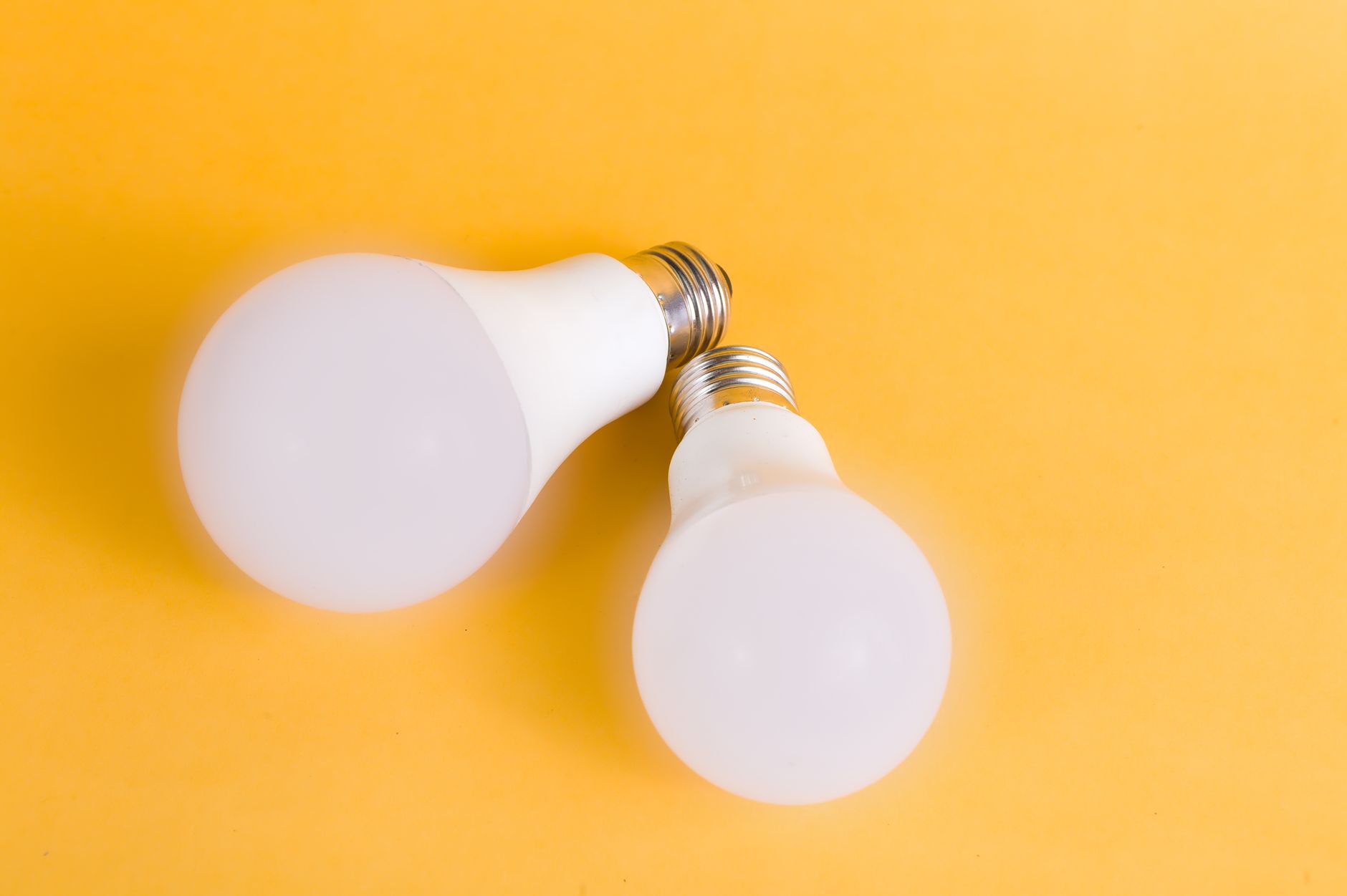
Quality LEDs outlast inferior alternatives dramatically. Cheap LEDs fail prematurely through poor heat management and low-quality components. Quality LEDs rated for 25,000-50,000 hours last 20-30 years in typical household use. This longevity eliminates replacement hassles. Imagine installing bulbs once and never replacing them. This convenience represents genuine quality advantage. Quality LEDs maintain consistent brightness—not dimming as they age. They produce high-quality light—accurate color rendering matching daylight. These quality characteristics justify higher costs. Installing cheap bulbs fails quickly, requiring frequent replacement. Installing quality bulbs once provides decades of satisfaction. Understanding lifetime value clarifies that quality upfront saves money overall. LEDVANCE provides premium quality LEDs lasting decades through superior engineering.
Quality LED construction ensures 25-30 year lifespan eliminating replacement hassles and providing lifetime cost advantages.
Transitioning to LED Lighting
Complete transitions happen gradually for most households. Replacing all bulbs immediately requires significant upfront investment. Gradually replacing burned-out bulbs with LEDs requires no additional spending. Prioritizing high-use areas maximizes savings soonest. Entryways, living areas, and kitchens used constantly benefit most from LED conversion. Seldomly-used spaces like closets can wait. This phased approach makes transitions economical. Smart controls layer onto existing bulbs expanding benefits without replacing fixtures. Many fixtures accept both traditional and LED bulbs. Replacing bulbs alone converts to smart systems without fixture replacement. This flexibility enables gradual, affordable transitions. Many areas offer rebate programs reducing LED costs further. Utility companies promoting efficiency provide rebates making LEDs affordable immediately. Understanding available incentives clarifies that LED transitions cost less than perceived. LEDVANCE supports transition through diverse products accommodating phased LED adoption.
Phased LED transitions prioritizing high-use areas enable affordable conversion producing immediate savings.
Future Lighting Innovation
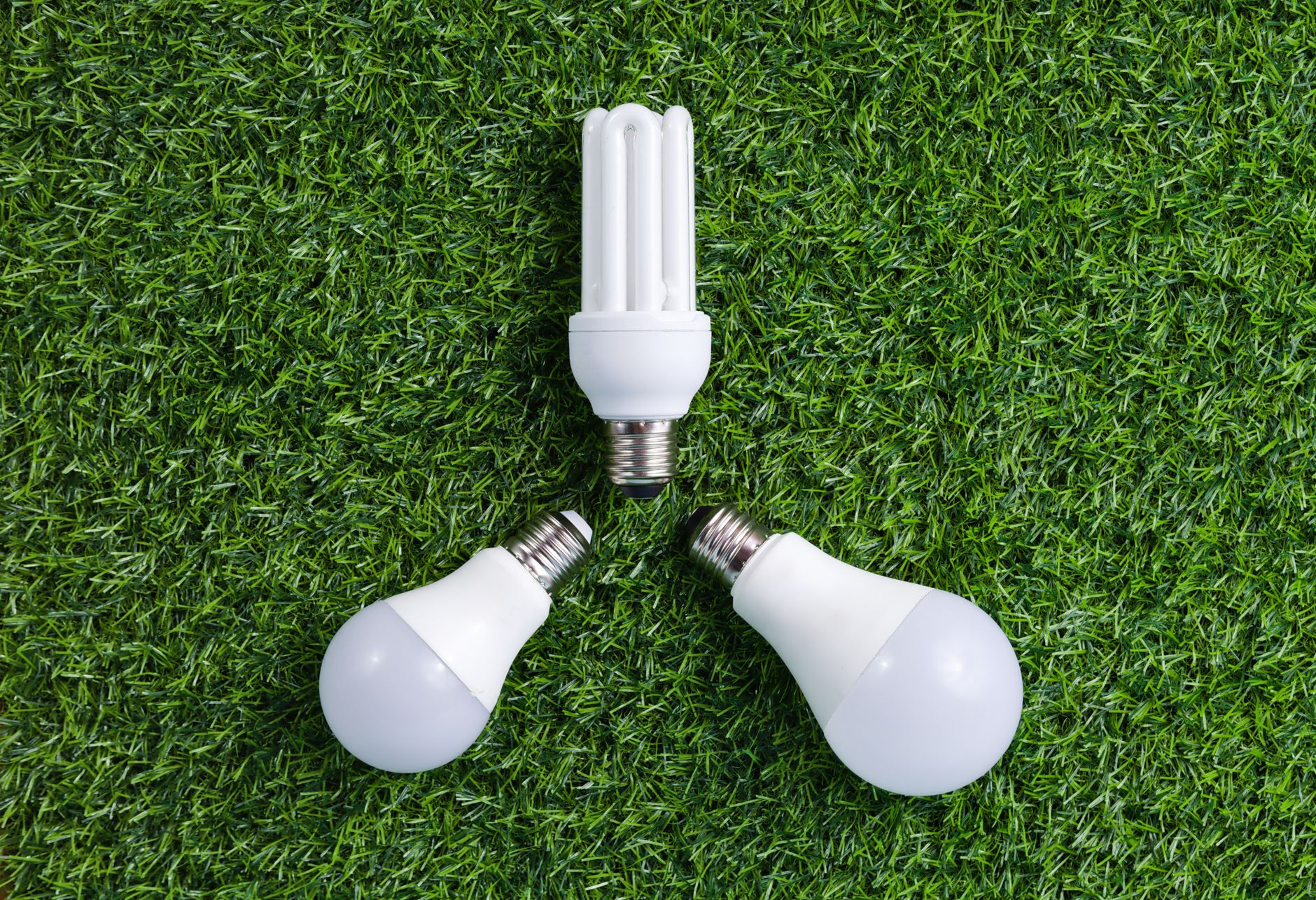
Lighting innovation continues advancing beyond current smart systems. Connected lighting networks enable whole-home optimization. AI learning systems understand preferences and optimize automatically. Biodynamic lighting adjusts throughout day supporting health. OLEDs offer flexible surfaces for architectural integration. These innovations promise future lighting superior to current systems. Understanding trajectory encourages early adoption—today’s systems provide immediate benefits while supporting continued improvement. Those adopting LED systems now enjoy savings today while remaining compatible with future innovations. LEDVANCE leads lighting innovation supporting both immediate benefits and future compatibility.
Advanced lighting innovation promises future systems combining sustainability, health benefits, and seamless integration.
Start Your Lighting Transformation
Begin by calculating current lighting costs. Estimate bulb count and wattage. Calculate annual electricity costs. Research LED equivalents. Compare costs. Calculate payback periods. Most conversions pay for themselves in 1-2 years through energy savings. Create transition plan. Prioritize high-use areas. Source quality LEDs matching color preferences. Install progressively. Explore smart systems matching needs. Start with occupancy sensors and daylight controls maximizing savings. Add voice control as desired. Notice electricity cost reductions and improved lighting quality. Experience how lighting transformation improves both finances and environment. LEDVANCE supports your lighting innovation journey through quality products and smart solutions. Begin today. Calculate your potential savings. Start transitioning to LED lighting. Enjoy lower electricity bills while supporting environmental sustainability. Recognize that today’s lighting choices create tomorrow’s more sustainable, efficient homes.